




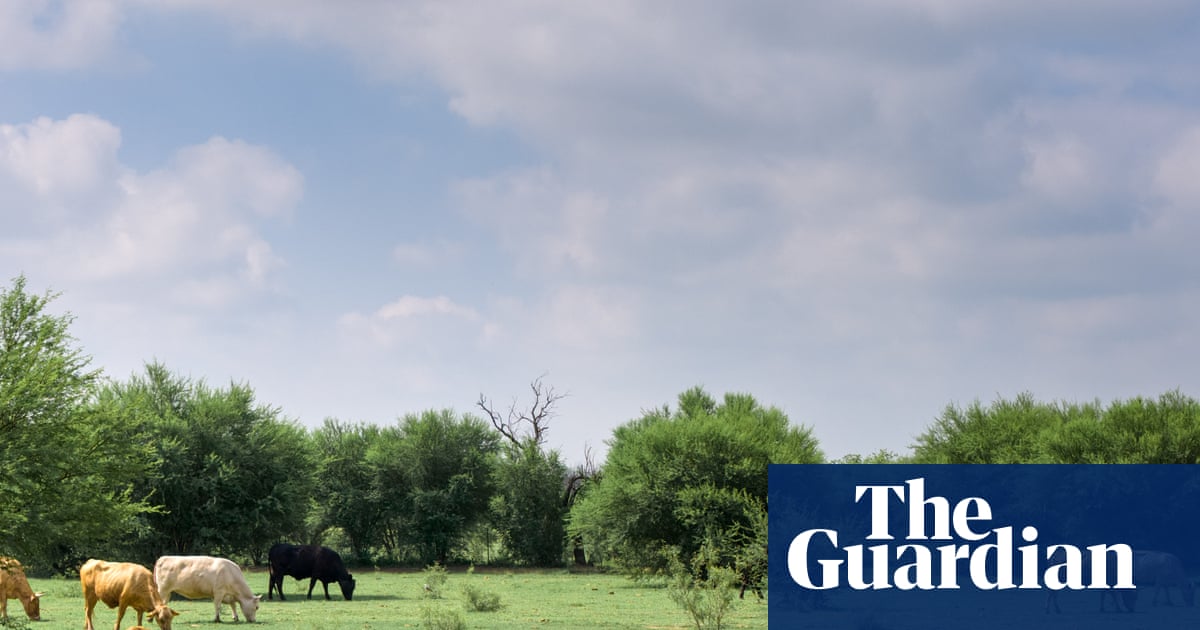
A beef industry-funded program aimed at educating high school students about the climate impact of cattle has been withdrawn following significant backlash from ranchers who contest the notion that cows contribute to global warming. This incident highlights the ongoing tension between the livestock industry and educational content regarding environmental issues.
The American Farm Bureau Foundation for Agriculture (AFBFA) operates a free science curriculum used by approximately 1.2 million students across more than 100 school districts in the United States. The foundation had introduced a lesson focusing on the environmental significance of methane produced by cattle, but after complaints emerged, notably from ranchers, the lesson was subsequently removed.
Brett Kenzy, a South Dakota farmer and chair of a committee within the Ranchers-Cattlemen Action Legal Fund United Stockgrowers of America (R-CAL USA), expressed his concerns, labeling the lesson a “slap in the face” and asserting that it was unfair to claim that cows harm the environment. His sentiments reflect a broader sentiment among certain ranchers who are staunchly opposed to attributing climate issues to cattle.
Rick Henningfeld, the education director at AFBFA, confirmed that the lesson was removed due to feedback received. At a recent CattleCon event, he stated, “We heard the feedback, and we are editing it, and our hope is to get it back up quickly.” As of now, a new lesson introduced in July has steered clear of discussing methane or climate issues altogether.
The curriculum is financed through a mandatory levy on cattle sales known as the “beef checkoff,” which aims to produce educational materials that counteract negative perceptions of the beef industry. A spokesperson for the foundation mentioned that a comprehensive approach to the methane issue is being developed, although the July lesson is not viewed as a direct replacement for the earlier content.
Critics within the scientific community underscore the urgency of addressing methane emissions from cattle, which they argue are significant contributors to climate change. Carl-Friedrich Schleussner, a climate scientist, noted that about 0.3C of global warming is attributed to ongoing biogenic methane emissions and emphasized the need to reduce these emissions to mitigate climate impacts.
The initial controversy gained traction after rancher Jim Mundorf criticized the lesson in a blog post, referring to it as “condescending” and unwarranted in blaming cattle for climate change. His critique resonated within the farming community, influencing widespread discontent among ranchers.
In response to the backlash, Henningfeld announced plans to involve producers in the review and development of the curriculum going forward. However, some experts express skepticism about potential conflicts between educational integrity and producer interests. Glenn Branch from the National Center for Science Education posed concerns regarding the implications of prioritizing producer perspectives in educational content.
Historically, the livestock industry has engaged in efforts to shape environmental narratives linked to cattle, as evidenced in earlier decades when associations sought to downplay cattle emissions. Most recently, the USDA ordered agricultural checkoff programs to discontinue support for environmental initiatives, although it claimed no involvement in the decision to retract the lesson on methane.
As the AFBFA continues to navigate educational content, the future trajectory of this curriculum remains uncertain, with careful consideration needed to balance industry perspectives and scientific accuracy.
