




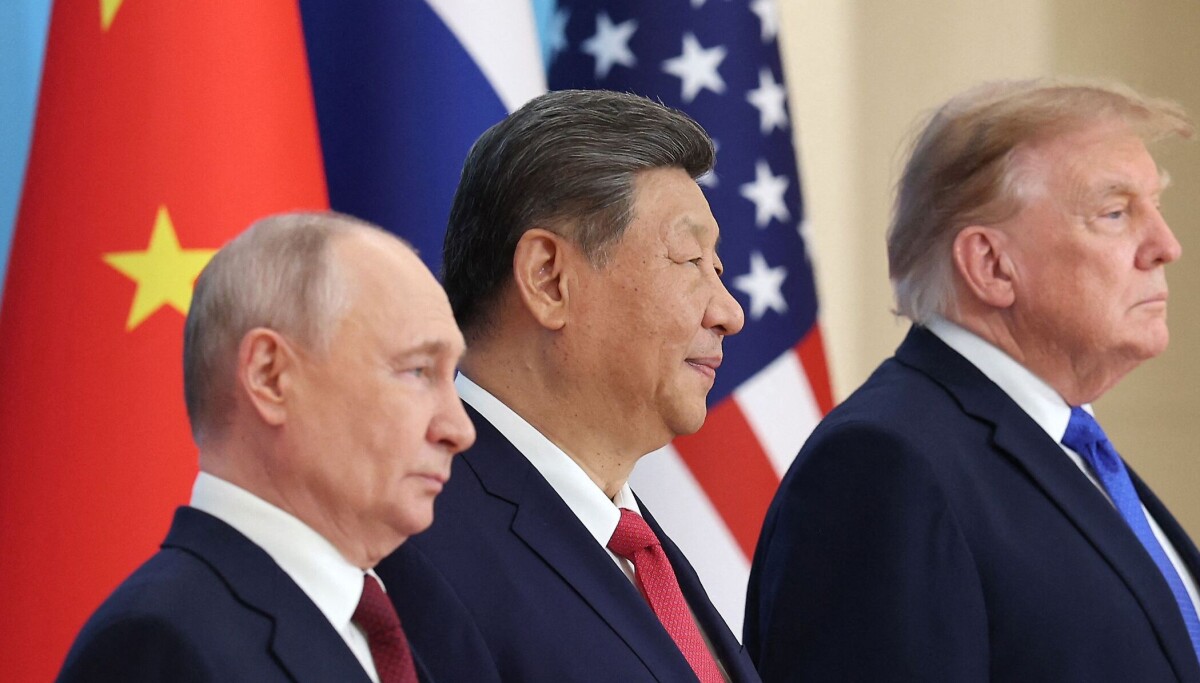
The recent summit involving the United States, China, and Russia has underscored the evolving dynamics of international relations, prompting concerns about the implications for U.S. allies, including South Korea. The summit, which concluded with a joint statement on Thursday, marks what some analysts view as a shift toward entrenched great-power politics.
U.S. President Donald Trump has extended an invitation to Russian President Vladimir Putin to attend the upcoming Group of 20 summit scheduled for next month in the United States. If Putin participates, it could pave the way for further trilateral meetings. Observers suggest that such diplomatic engagements may become a regular feature during the remainder of Trump’s presidency.
The potential for agreements reached in these talks to clash with the interests of allies heightens the urgency for South Korea to restore trust with the U.S. administration. As negotiations centralize around powerful nations, allies like Korea, Japan, and those in the European Union may face increased uncertainty regarding their security arrangements.
A report by the Financial Times indicated that the U.S. has communicated to European nations and Ukraine a desire to finalize discussions to end the ongoing war before the new Congress, which will be led by Democrats, convenes in January 2027. There are concerns that such negotiations, conducted under time pressure, may lead to terms that favor Russia.
South Korea’s position could similarly be jeopardized if discussions about the Korean Peninsula occur without adequate alignment with its national interests. Although topics relevant to Korea received limited focus at the recent Beijing summit, analysts warn that as trilateral meetings continue, this may change.
There are indications that Trump considered proposing a formal conclusion to the Korean War (1950-1953) in anticipation of a meeting with North Korean leader Kim Jong-un. This possibility highlights the unpredictable outcomes that may stem from future negotiations among these powers.
To safeguard its interests, effective communication between Seoul and Washington is becoming increasingly critical. South Korea must proactively seek resolutions to bilateral disagreements and open up channels for meaningful dialogue with the U.S. Administration. Incremental advancements on contentious issues could help to rebuild confidence and ensure that Seoul’s concerns are adequately represented in discussions.
Internal discord within the South Korean administration, particularly between advocates of greater diplomatic autonomy and those emphasizing the alliance with the U.S., complicates the country’s strategic position. The recent resignation of Korean Education Minister Choi Kyo-jin also prompts speculation about a possible cabinet reshuffle that could influence foreign policy and national security leadership as the government reaches the midpoint of its term.
In a world increasingly shaped by the negotiations of powerful states, South Korea must cultivate a resolute diplomatic approach and a reliable partnership with Washington. Delaying these initiatives could broaden the country’s vulnerabilities.
