




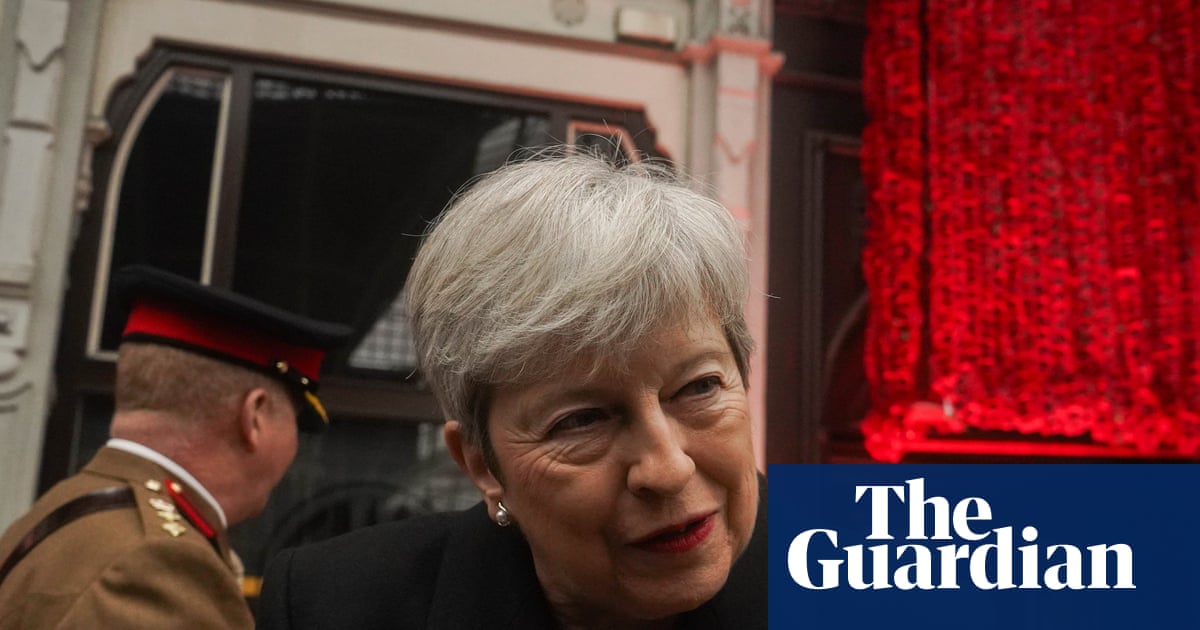
Former Prime Minister Theresa May expressed her disapproval of Greater Manchester Mayor Andy Burnham’s suggestion of potentially rejoining the European Union, stating that the country must “accept Brexit and move on.” In a rare interview with the BBC, May voiced her concerns following a recent UK-EU summit where Burnham secured significant steps towards closer ties with Brussels.
May emphasized the extensive negotiations that accompany any discussions about rejoining the EU, noting the considerable time and effort required from both political leaders and government officials. “It’s across the whole of government. It’s not just prime ministerial time; it’s cabinet ministers’ time, officials’ time,” she remarked. “That’s one of the reasons why I looked slightly aghast at what Andy Burnham was talking about.” She reiterated that the public had voted for Brexit and that the focus should now be on moving forward rather than revisiting membership talks.
During the recent summit in Brussels, a new framework for cooperation was announced, including three key agreements related to food and drink, emissions trading, and a youth mobility scheme. This scheme will allow 100,000 young Britons to live, work, study, and travel in the EU, with reciprocal rights for young Europeans in the UK.
Burnham has been critical of the Brexit agreements shaped under May and her successor Boris Johnson, claiming they hinder growth and complicate trade. He has indicated a desire for closer ties with the EU and hinted at the possibility of future membership discussions, although any such moves would not occur until after the next general election. Burnham has committed to adhering to Labour’s Brexit policy, which currently rules out joining the EU’s customs union or single market.
While details of the new agreements are expected to be presented to Parliament as a bill next week, Burnham has taken a cautious approach, slowing the momentum towards any further integration with the EU. He stated his intention to collaborate with the EU on future relationships while ensuring that he remains attuned to public sentiment regarding Brexit.
The Conservative Party has reportedly expressed concerns about the implications of the recent agreements, particularly the potential impact on domestic energy costs linked to the EU’s emissions trading system. Downing Street, on the other hand, maintains that the new deals could lead to lower energy and food prices and even boost GDP by as much as 0.5% in the long term.
