




Haitian Central Bank Governor Addresses Caribbean Ministerial Meeting in Bangkok
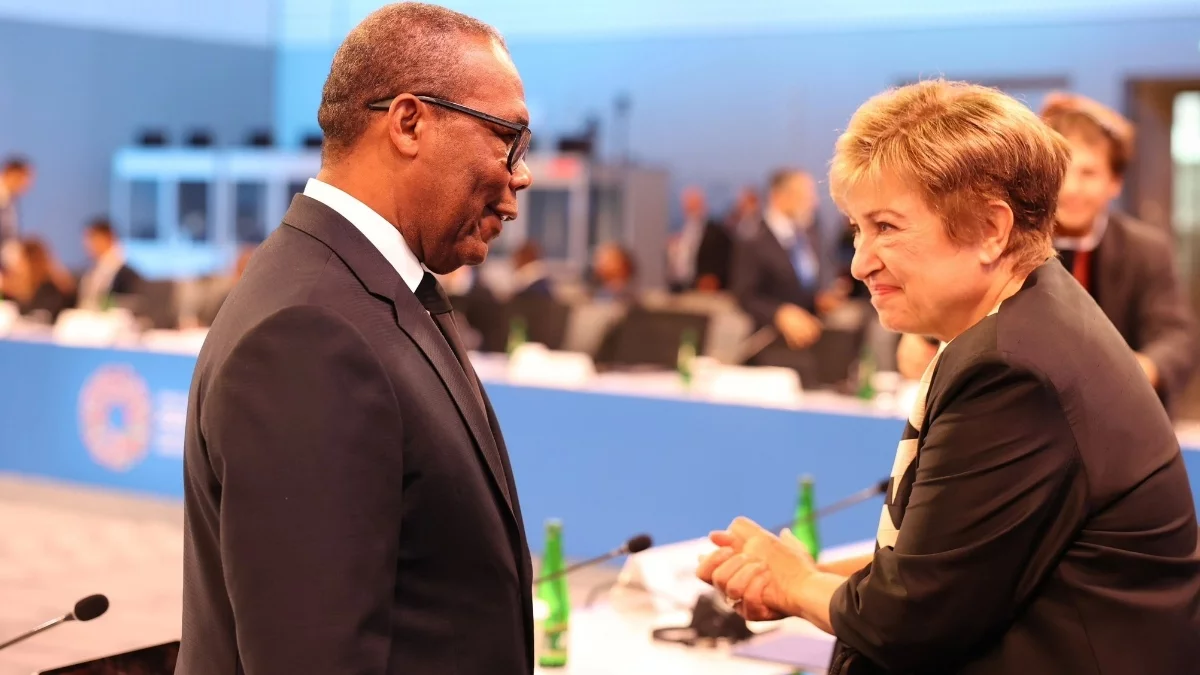
During a Caribbean ministerial meeting in Bangkok, Thailand, on October 15, 2026, Gabriel Ronald, the Governor of the Bank of the Republic of Haiti (BRH), addressed economic challenges facing the region and advocated for the preservation of social spending and investment in resilience initiatives. He spoke directly to Kristalina Georgieva, Managing Director of the International Monetary Fund (IMF), emphasizing the critical need for economic adjustments that consider societal needs.
Governor Ronald expressed gratitude for the opportunity to discuss pressing issues, noting that the Caribbean faces unique challenges from global shocks and demographic transitions. He pointed out that in island nations and fragile states like Haiti, such shocks can severely constrain economic options. He highlighted that the effects of current challenges, particularly in the energy sector, contribute to ongoing structural imbalances, and the aftermath of natural disasters disproportionately affects the economy.
He remarked, “In Haiti, stability alone is not enough when approximately half the population faces acute food insecurity.” Ronald argued that achieving macroeconomic balance should not come at the cost of necessary social investments. He called for access to concessional financing and technical assistance to support Haiti’s economic resilience.
Demographic changes in Haiti further complicate these issues. More than half of the population is under 25, and Ronald warned that the emigration of young, skilled Haitians hampers national growth. He cited a study indicating that over 80% of Haitian university graduates now live abroad, impacting the country’s human capital crucial for reforms.
According to Ronald, the focus should be on creating favorable conditions for the youth to build their futures in Haiti. This entails enhancing investment in skills development and economic opportunities, along with fostering better ties with the Haitian diaspora. He emphasized that regional cooperation could strengthen efforts in critical areas such as energy security and disaster preparedness while recognizing the varying vulnerabilities of different economies.
In closing, the Governor urged the IMF to tailor its technical assistance to better suit the realities faced by vulnerable countries, ensuring that the path to stability includes investments that promote resilience and future growth. “While resilience comes at a cost, the cost of inaction would be far higher,” he said.
