




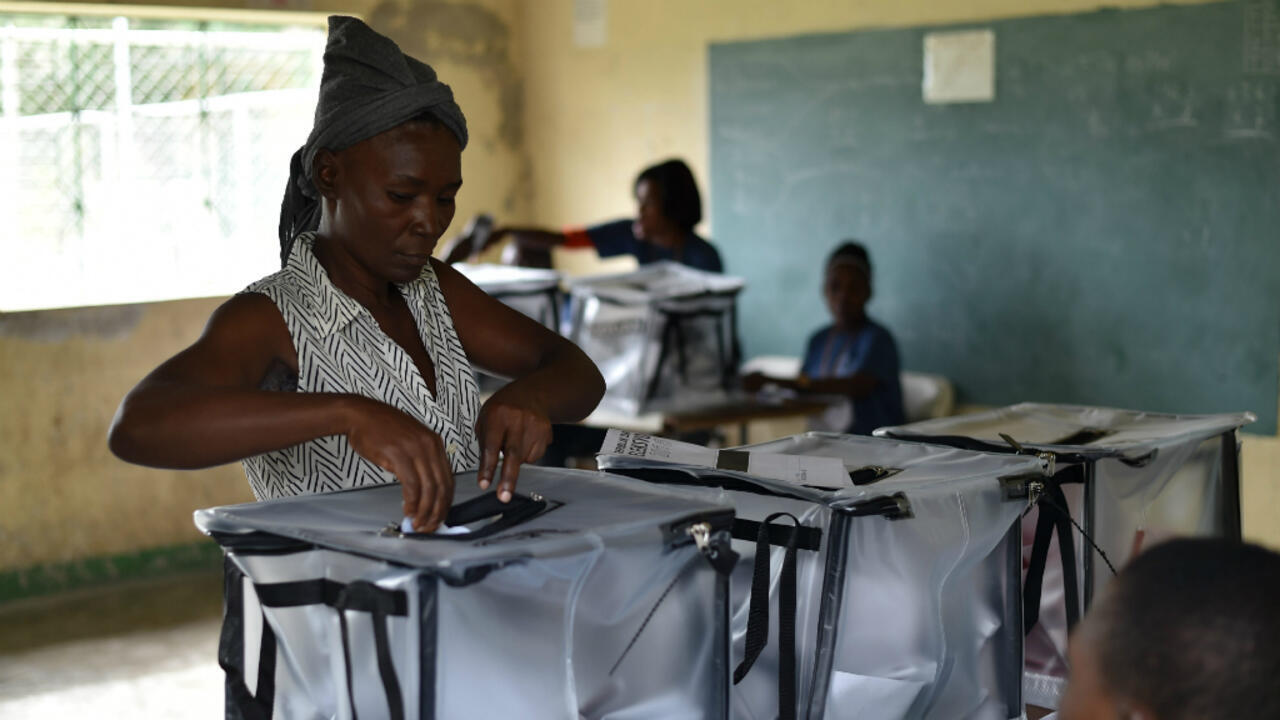
Haiti’s Prime Minister Alix Didier Fils-Aimé has directed his Cabinet and public administration officials to uphold neutrality during the upcoming general elections set for December 13. This directive aims to ensure that the electoral process is perceived as credible by maintaining public confidence in the impartiality of state institutions.
Fils-Aimé emphasized that the effective management of the electoral process relies on the equal treatment of candidates, political parties, and coalitions. He urged government officials to actively support the smooth functioning of the elections.
This commitment was formalized via a resolution passed by the Council of Ministers on October 5. The resolution reaffirms the government’s duty to maintain strict neutrality and mandates that public officials act impartially throughout the electoral process.
The resolution specifically prohibits government members, civil servants, and senior officials from utilizing state resources to promote any candidate, political party, or coalition. Violators of this neutrality requirement could face consequences under existing laws and regulations.
The government is also tasked with creating a safe and stable environment for the elections, highlighting the importance of neutrality and balanced leadership in conducting inclusive and transparent polls.
In related developments, Haiti’s Provisional Electoral Council has made adjustments to the electoral timetable following amendments to the electoral decree. The deadline for online candidate registration and the submission of necessary documents has been extended to October 31. Additionally, the official campaign period has been postponed, with new campaign dates to be announced in a revised electoral calendar.
The updated electoral framework encompasses presidential, legislative, and local elections, along with a constitutional referendum. The council confirmed that voter registration is still ongoing.
Haiti’s electoral preparations come as the country seeks to restore elected governance following years of political instability. The last national elections occurred in 2016, which saw Jovenel Moïse elected president. Moïse’s assassination on July 7, 2021, has left the nation facing a continuing political crisis.
Security remains a significant challenge, as armed gangs exert control and instill fear in various communities, complicating election preparations and raising concerns for citizen participation.
The government’s pledge for neutrality arrives as authorities strive to advance the electoral process amid varying regulations and logistical hurdles. The success of this commitment in fostering public confidence will ultimately depend on its execution and the equitable application of rules by state institutions.
As candidate registration deadlines extend and campaign dates await confirmation, Haiti continues to confront the challenges of orchestrating elections while addressing the prevailing political and security conditions.
