




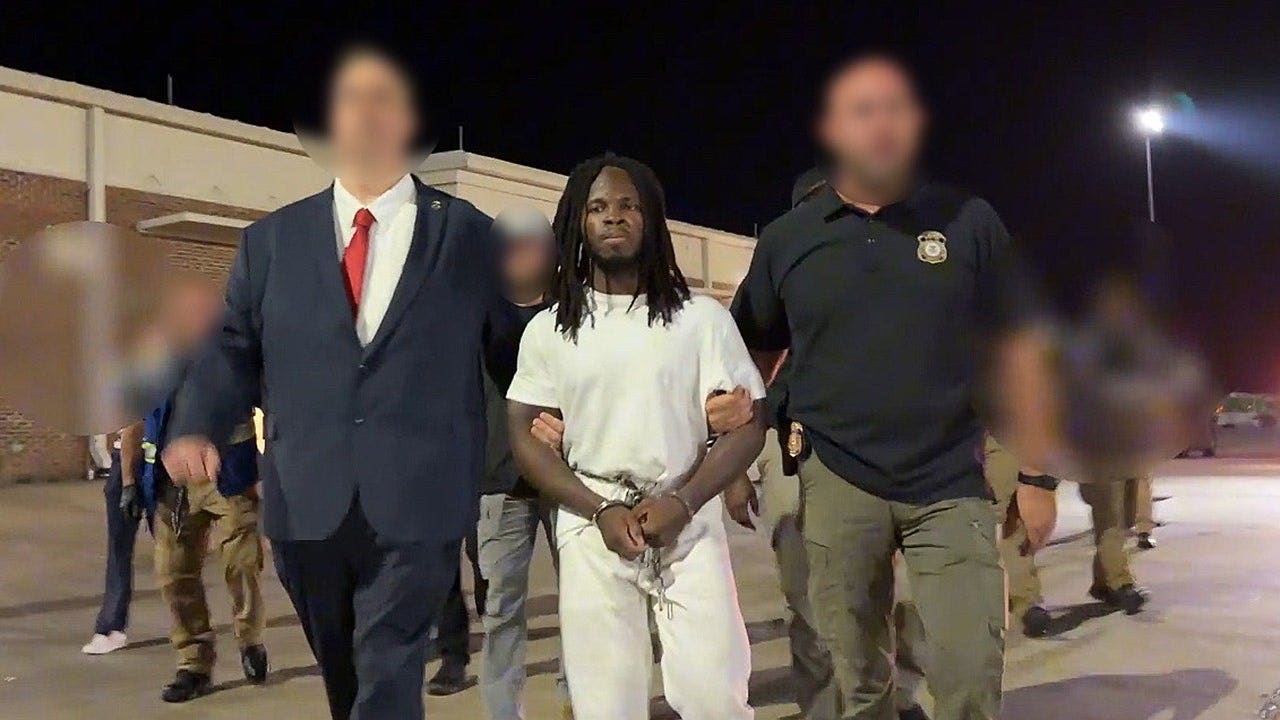
Wisteguens Jean Quely Charles, a Haitian national and identified gang member, has been deported to Haiti by U.S. Immigration and Customs Enforcement (ICE) following a lengthy period in federal custody. Charles had been detained for nearly 19 months after his arrest on January 22, 2025, in Massachusetts, where he made headlines for his defiant remarks about returning to Haiti.
Details of the Deportation
On September 10, 2026, Charles was put on an ICE flight departing from Louisiana, as confirmed by the Department of Homeland Security (DHS). Reports indicate that during the deportation flight, Charles reportedly exhibited combative behavior and made threatening remarks toward former President Donald Trump and his family.
Charles had gained media attention during his arrest when he stated, “I’m not going back to Haiti,” while also expressing support for President Joe Biden. DHS has classified him as a member of the Back Block Money Gang and cited a significant criminal history consisting of 17 convictions for offenses including assault and battery, resisting arrest, and drug-related charges.
In November 2025, following legal proceedings related to his immigration status, an immigration judge issued a final order for his removal. His Temporary Protected Status, which was originally granted in February 2013, was terminated in July 2022 by U.S. Citizenship and Immigration Services.
DHS Secretary Markwayne Mullin commented on the deportation, highlighting Charles’s criminal background and reaffirming the agency’s intention to remove individuals unlawfully present in the U.S. He remarked, “Once again: if you’re here illegally, we will find you, arrest you, and remove you from the United States of America.”
The White House released a statement following the deportation, with a spokeswoman stating that Charles had previously benefitted from lenient immigration policies and contrasted this with the stricter enforcement of the Trump administration.
Visual documentation of Charles during his arrest and deportation was also shared, showcasing the ICE operation. His removal marks a significant case in the ongoing discussion surrounding immigration and enforcement policies in the United States.
Why It Matters
The deportation of Wisteguens Jean Quely Charles underlines the complexities involved in U.S. immigration policy, especially in cases involving individuals with criminal backgrounds. It also exemplifies the differing approaches taken between previous and current administrations regarding enforcement and the legal status of immigrants, contributing to ongoing national debates about immigration reform and public safety.
