




As Temporary Protected Status (TPS) ended for thousands of Haitian migrants in the United States, many residents are grappling with fear and uncertainty regarding their future. Approximately 350,000 Haitians who had benefited from TPS, which provided protection from deportation due to the ongoing turmoil in Haiti, are now facing the prospect of removal from the country they have called home for years.
Impact of Revocation of Temporary Protected Status
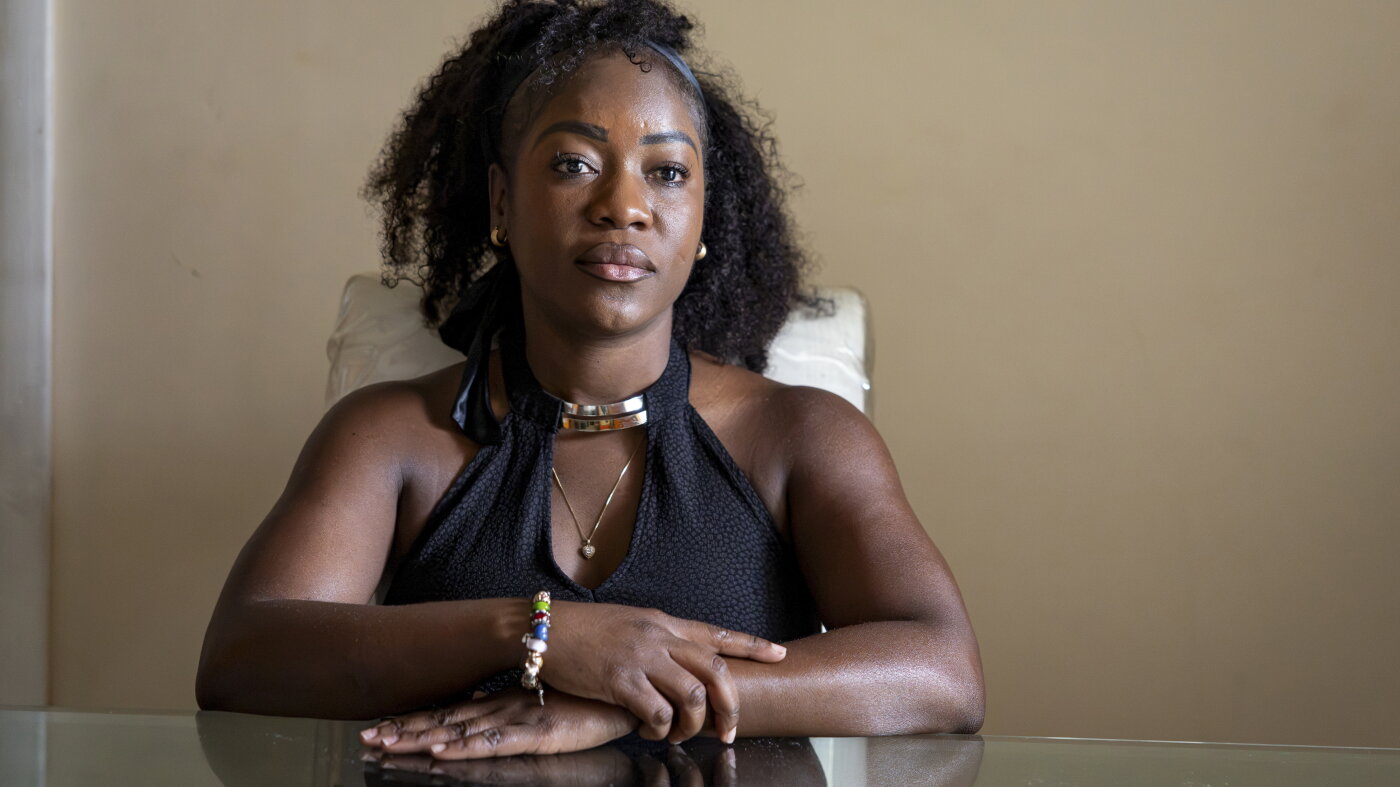
In July, the Trump Administration announced the revocation of TPS for Haitians, leaving many individuals, including registered nurse Herlain, feeling anxious and unsafe. Herlain, who has requested that her last name be withheld due to her immigration status, expressed her fears about potential detainment by immigration authorities, defending her career of helping others. “You would think I was on the run,” she stated, highlighting the drastic change in her daily life since losing TPS.
The Department of Homeland Security (DHS) has defended its decision, asserting that TPS was intended to be a temporary measure. A spokesperson emphasized that “for too long, TPS has been allowed to function as a de facto amnesty program,” indicating that the government did not initially intend for the status to be permanent.
Father Reginald Jean-Mary of Notre Dame d’Haiti Catholic Church in Miami described the situation as “psychological warfare,” noting the heightened anxiety within the Haitian community as the possibility of deportation looms. Reports of increased depression and anxiety among parishioners have been noted, further exacerbated by dire conditions in Haiti, where violence and gang activity have surged.
Many community members are struggling with the emotional toll of this uncertainty. The recent death of a 20-year-old Haitian man, Pierre Damas Bel, who reportedly died by suicide after losing his TPS, has shaken the community profoundly. Father Reggie identified a significant drop in attendance at prayer services, noting a decrease from 231 students to just 17 in his church’s adult learning program as people feel increasingly unsafe.
While some engage in community support, others, like former broadcaster Farah Larreux, remain vocal about their plight, calling out politicians for their handling of Haitian immigrants. Larreux emphasized the hypocrisy in the government’s stance, citing travel advisories against visiting Haiti due to safety concerns, yet facilitating the deportation of those seeking refuge from such conditions.
In Little Haiti, usually vibrant with activity, businesses are shuttering as fear grips the community. As residents withdraw into their homes, local organizations have established support systems, such as food banks in churches, addressing the immediate needs of those afraid to leave. Store owners like Jan Mapou lament the significant decline in patronage as fear of detention has led to a “ghost town” atmosphere.
As challenges persist, the Haitian community in the U.S. holds tightly to their faith, hoping for a resolution that acknowledges their humanity and the hardships faced due to conditions in Haiti. Father Reggie encourages resilience within his congregation, urging them to support one another as they navigate the uncertain future together.
Why It Matters: The end of TPS for Haitians underscores broader issues regarding immigration policy and the precarious status of many migrants in the U.S. It reflects the ongoing debate over who deserves refuge from violence and instability, and the implications of such policy decisions on individual lives and communities.
