




Pope’s Presence in Haiti: A Vision for Compassion and Recognition
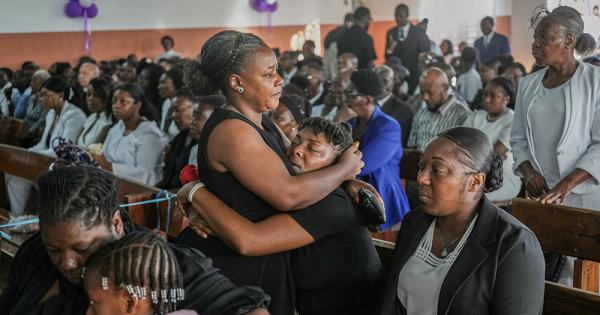
Haiti is grappling with the aftermath of a tragic gang attack that occurred in Kenscoff, resulting in the deaths of at least 47 individuals between the night of August 23 and the early hours of August 24. The incident has also left 22 people injured and over 50 others reported kidnapped, according to the United Nations. In light of this violence, calls for international attention and support have grown louder.
Amid these challenges, the notion of a visit from Pope Leo XIV to Haiti has surfaced. This idea is rooted in the historical significance of the last papal visit to the nation by Pope John Paul II on March 9, 1983. At that time, his message of solidarity was deeply felt in a country facing dictatorship and socio-political turmoil.
Reflecting on current conditions, one observer expressed a sense of urgency and longing for recognition. They argued that the essence of humanity lies in being seen and acknowledged. This sentiment resonates especially for Haitians, who have often felt overlooked by the international community despite their struggles since gaining independence in 1804.
The observer pointed to a recent situation where over 160 Haitians were deported from the United States to Haiti, indicating the dire conditions they face. With many deportees returning to a fragile environment marked by gang violence and political instability, questions arise about the appropriateness of such actions when the destination lacks safety and security.
Haiti has not had an elected president since Jovenel Moïse’s assassination on July 7, 2021. Since then, armed gangs have gained control over significant areas, complicating recovery efforts and international intervention. Despite years of discussion and studies focusing on Haiti, tangible solutions to alleviate its crisis have often been sidelined.
The observer emphasized that the global community frequently perceives Haiti as an insurmountable challenge, leading to a sense of indifference. They likened Haiti’s plight to that of the biblical paralyzed man waiting for healing, illustrating the desperation for recognition and empathy.
They suggested that a visit from Pope Leo XIV could not only be a significant symbol of hope but also a powerful reminder to the world of Haiti’s humanity and resilience. The pope’s engagement with ordinary Haitians, from children to healthcare workers, could fundamentally shift perceptions and priorities regarding the country’s situation.
The observer concluded that such a visit could awaken global awareness, asserting the notion that “I have come to see you” could serve as a revitalizing message of compassion and support for a nation grappling with profound challenges.
Why It Matters
The concept of a papal visit underscores a vital need for recognition and support for Haiti amid ongoing crises. Any act of solidarity from influential figures could help refocus global attention on the realities faced by many Haitians, suggesting that a collective response is necessary to address the deep-rooted issues they confront. By emphasizing compassion, it draws attention to the dignity of individuals affected by violence, poverty, and political instability.
