




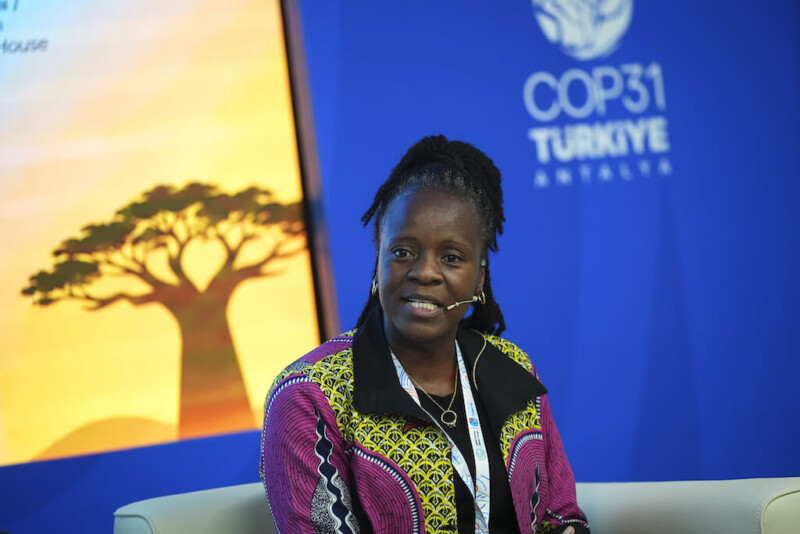
COP31 will take place in Antalya, Türkiye, from November 9 to 20, 2026, with Türkiye assuming the presidency of the summit. The Turkish presidency has labeled this gathering an “implementation COP,” emphasizing a focus on actionable outcomes through its Action Agenda. Key elements of the agenda include ten priority themes, notably the clean energy transition and the development of climate-resilient cities. Financing, technology, and capacity-building are also identified as essential elements across all themes. A crucial initiative relevant to Africa is the Climate Implementation Bridge, which aims to enhance access to climate finance for the continent.
This emphasis on implementation was also highlighted during a pre-COP ministerial meeting held in Fiji in early October. At this meeting, Türkiye and Australia reported an agreement to draft a presidency-led decision for the Antalya conference. COP31 President Murat Kurum stated that the proposed decision would not alter existing negotiation frameworks or impose new obligations. Instead, it will be developed through early and inclusive consultations with involved parties, with its acceptance ultimately hinging on consensus among them.
These developments occur against the backdrop of weakened confidence in multilateral processes, particularly following the United States’ withdrawal from the Paris Agreement, which became effective in January 2026.
Upon agreeing to host COP31, Türkiye committed to bridging connections between the Global North and South, with particular attention to vulnerable regions, including the Pacific and Africa. Africans, in particular, are anticipating concrete outcomes from this commitment, supported by an existing framework for climate cooperation between Türkiye and African nations.
An illustrative example of this cooperation is the Türkiye-Africa Joint Action Plan for 2022–2026. This plan’s infrastructure and agriculture components focus on enhancing climate resilience, disaster preparedness, and strategies against drought and desertification. It includes initiatives like a workshop aimed at integrating weather and climate services into national strategies, as well as sharing Türkiye’s expertise in addressing desertification and land degradation with experts from the African Union member states. The plan also supports the Great Green Wall initiative, which aims to combat environmental degradation across the Sahara and Sahel regions.
The Ministry of Environment, Urbanization, and Climate Change will spearhead most actions outlined in the joint plan, establishing a direct link between the Turkish presidency of COP31 and ongoing climate cooperation with Africa. Therefore, a central issue at Antalya will be aligning this partnership with Africa’s current climate priorities.
