




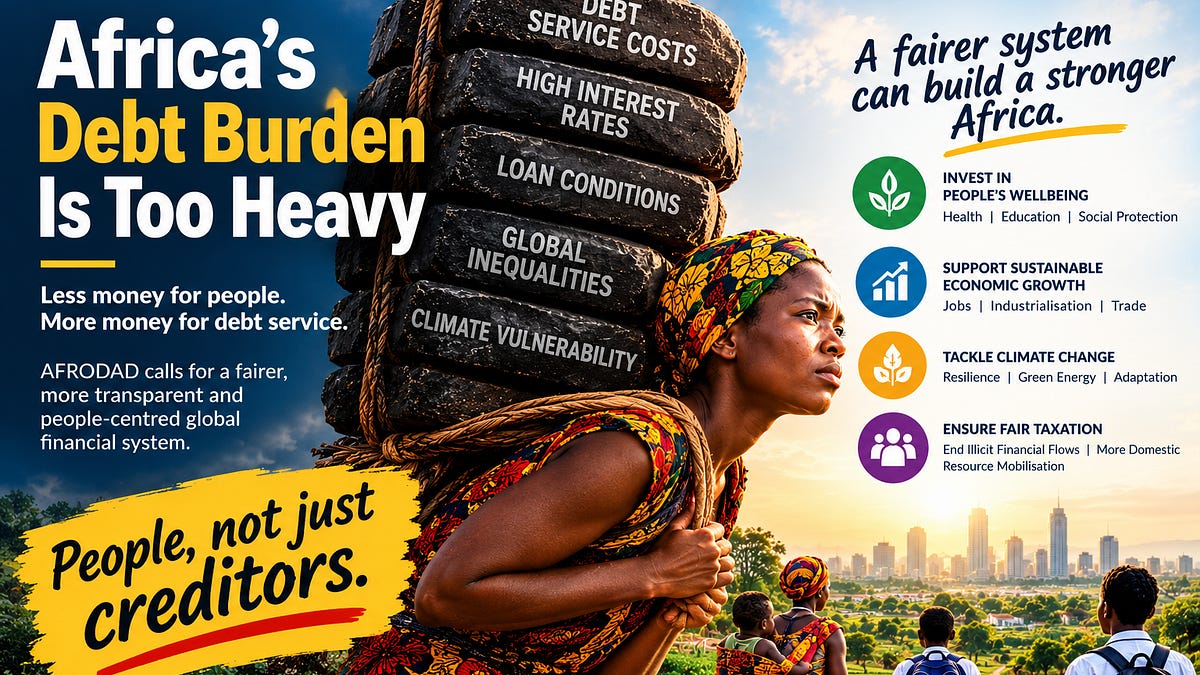
HARARE, Zimbabwe— African nations face increasing challenges in servicing their debts, according to the African Forum and Network on Debt and Development (AFRODAD). Despite a decline in overall debt levels, the burdens of rising debt-service costs are straining public resources and development efforts, the organization reported following the recent Annual Meetings of the International Monetary Fund (IMF) and World Bank Group held in Bangkok, Thailand, in October 2026.
During a press briefing on October 21, AFRODAD officials highlighted the persistent fiscal pressures and inadequacies in existing debt restructuring mechanisms. They noted that the meetings provided limited evidence of the necessary structural reforms to tackle Africa’s mounting debt challenges. AFRODAD also addressed the newly formed Borrowers’ Platform, which convened over 30 developing countries, indicating a potential shift in the dynamics between borrowers and creditors.
Despite welcoming the platform, AFRODAD insisted that it should not be mistaken for a deep and lasting change in the global financial system. The organization emphasized that African countries require significant reforms that go beyond mere adjustments to lending practices. They argued for a framework that lowers borrowing costs, ensures timely debt relief, protects crucial public services, and empowers developing nations in the global financial arena.
Janet Zhou, AFRODAD’s Executive Director, shared key findings from the meetings, noting that average debt-service costs for low-income countries have climbed from 6% to 14% of government revenues over the last decade, illustrating a contradiction where reduced debt does not equate to lower repayment pressure. This trend highlights the vulnerabilities of economies heavily reliant on international credit, where higher borrowing risk premiums and insufficient debt management frameworks exacerbate financial struggles.
The organization raised concerns regarding the quality of public spending, asserting that as governments allocate more revenue to creditors, essential sectors like healthcare, education, and infrastructure suffer from underfunding. Zhou criticized the IMF’s and World Bank’s rigid fiscal consolidation strategies, suggesting they constrain economic growth and exacerbate hardships for vulnerable populations.
AFRODAD identified interest payments on public debt as a critical issue, particularly in sub-Saharan Africa, where spending on debt frequently surpasses allocations for vital public services. The group revealed that by the end of 2025, external public debt servicing will account for approximately 18.2% of export earnings for these countries, with nearly half of the region at high risk of debt distress.
During discussions at the meetings, participants reviewed improvements to debt sustainability assessments, including stress testing and considerations of domestic debt. However, AFRODAD remained skeptical about whether such discussions would yield meaningful change, noting that the current international financial institutions retain their centralized decision-making power without adequately addressing existing inequalities.
AFRODAD advocates for greater transparency in debt sustainability assessments by urging the IMF and World Bank to disclose the costs and risks behind their analyses. It calls for governments to respect binding commitments to social spending, ensuring that necessary resources remain in health and education during periods of economic adjustment.
Moreover, the organization supports the establishment of a proposed United Nations Framework Convention on Sovereign Debt, which, if enacted, could provide a more inclusive system for managing borrowing costs and restructuring. AFRODAD believes this framework should enable African countries to participate equally in shaping international financial rules that influence their economic futures.
As AFRODAD looks ahead, it plans to leverage the opportunities presented by the Borrowers’ Platform to strengthen collective bargaining power among developing nations. The organization aims for increased coordination and cooperation among African countries, particularly as they engage in upcoming international forums, including the African Union and G20. Its focus remains on ensuring that African nations are positioned to meet their development goals while navigating the complexities of international debt.
