




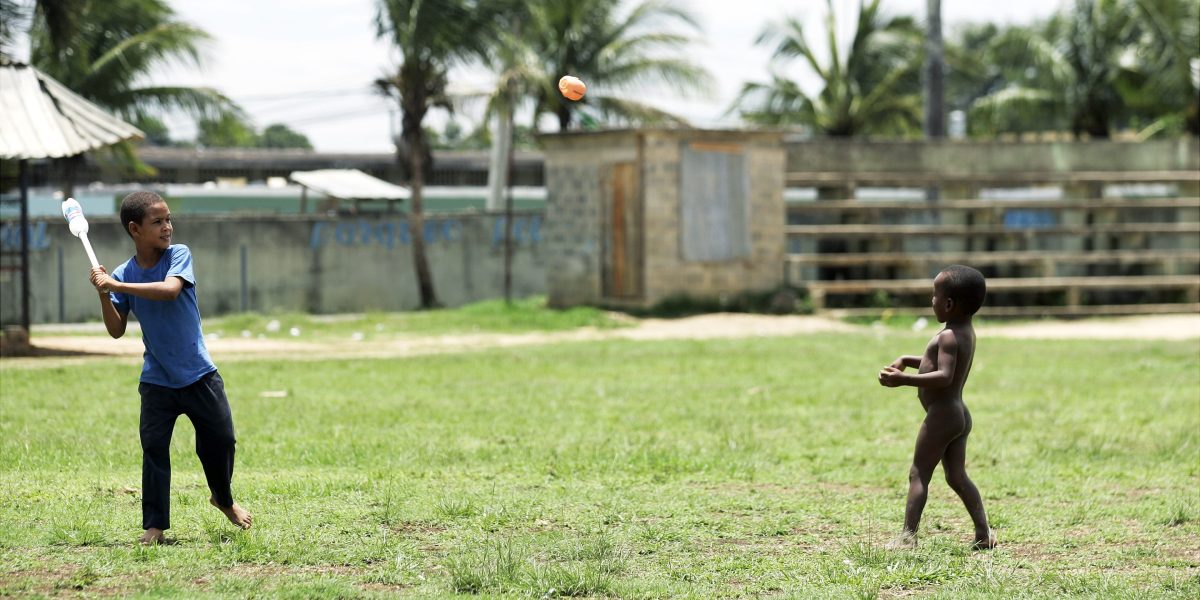
Major League Baseball (MLB) is facing scrutiny over its recruitment practices of young talent from the Dominican Republic, where children as young as 11 are reportedly being seduced with promises of multimillion-dollar contracts well before they are legally allowed to sign professional agreements. This situation exposes young athletes to exploitation and financial predation, raising concerns about their future in the sport.
Concerns Over Talent Recruitment
The Dominican Republic has established itself as a key source of baseball talent, accounting for approximately 10% of MLB players as of 2025. Within that year, 144 players born in the country made it to the majors, demonstrating the significant role this small island nation plays in the league. However, an investigation suggests that MLB teams may be circumventing rules that prohibit them from signing international amateurs until they reach the age of 16.
Reports highlight that teams often engage in informal negotiations with young players and their families much earlier. These handshake deals reportedly include advance payments with exorbitant interest rates, sometimes as high as 30% every two weeks. This financial arrangement could lead to young players owing large sums of money, which may result in up to 35% of their signing bonuses going to lenders when they eventually sign with MLB teams.
In past years, similar allegations have surfaced, with a whistleblower reporting these practices to the FBI as early as 2020. Moreover, a previous investigation by the Department of Justice in 2018 uncovered a network of deals resembling a “mafia” organization within the baseball recruiting system in the Dominican Republic.
Despite concerns, the MLB has acknowledged the need for reform in its recruitment process. Commissioner Rob Manfred has advocated for the establishment of an international draft to create a more equitable system that would prevent teams from making early deals with underage players. However, this proposal faces opposition from players concerned that it would limit their autonomy and from teams that prefer the current scouting flexibility.
The ramifications of these exploitative practices have been illustrated through the case of San Diego Padres star Fernando Tatis Jr. After receiving a substantial advance payment when he was just 18, Tatis later faced significant financial obligations due to the predatory nature of the contract. His experience has brought attention to the dangers involved for young athletes navigating these financial avenues in pursuit of professional careers.
The situation remains complex, with ongoing debates about reforms in the MLB’s recruitment process, as stakeholders from various angles advocate for more comprehensive solutions.
Why It Matters
The growing concerns about the exploitation of young Dominican players underscore a critical issue in sports recruitment, highlighting the need for systemic changes. Addressing these practices is essential not only for protecting the interests of young athletes but also for ensuring the integrity of the sport in the long term. As such discussions evolve, the futures of countless aspiring players hang in the balance.
