




NATO allies have commenced discussions in Brussels about new military requirements aimed at enhancing defenses against potential threats from the Russian Federation. This initiative, beginning this month, will focus on determining capability targets for NATO’s 32 member states through the year 2029.
European officials have cautioned that by 2029, Russia may be poised to launch an attack on a NATO member. The ongoing discussions represent the first phase of NATO’s five-step Defence Planning Process, with allied nations currently addressing the overall mandate for these new targets, referred to as Political Guidance.
Distribution of Responsibility
A central issue in the talks will be the ambition level regarding troop numbers and military capabilities that member states are willing to contribute. Previously, NATO had agreed to maintain forces for major operations as well as 18 reserve brigades, each comprising approximately 5,000 troops, to assist in smaller operations outside Alliance territory, such as missions in Afghanistan and Kosovo.
Amid these discussions, there is growing U.S. pressure urging European allies to take on more security responsibilities, which could potentially lead to a reduction or cancellation of existing operational requirements. NATO allies are also expected to explore accelerating defense planning in response to the rapid evolution of battlefield technologies, which includes advancements in artificial intelligence and robotic systems.
U.S. Capabilities and Ukraine’s Experience
The talks occur during a review by the Pentagon of the U.S. military presence in Europe, with findings anticipated in December. Earlier this year, the U.S. removed several strategic assets from NATO’s available forces, including bombers, fighter jets, drones, submarines, and warships. European allies express concerns about possible reductions in critical capabilities, such as heavy transport aviation.
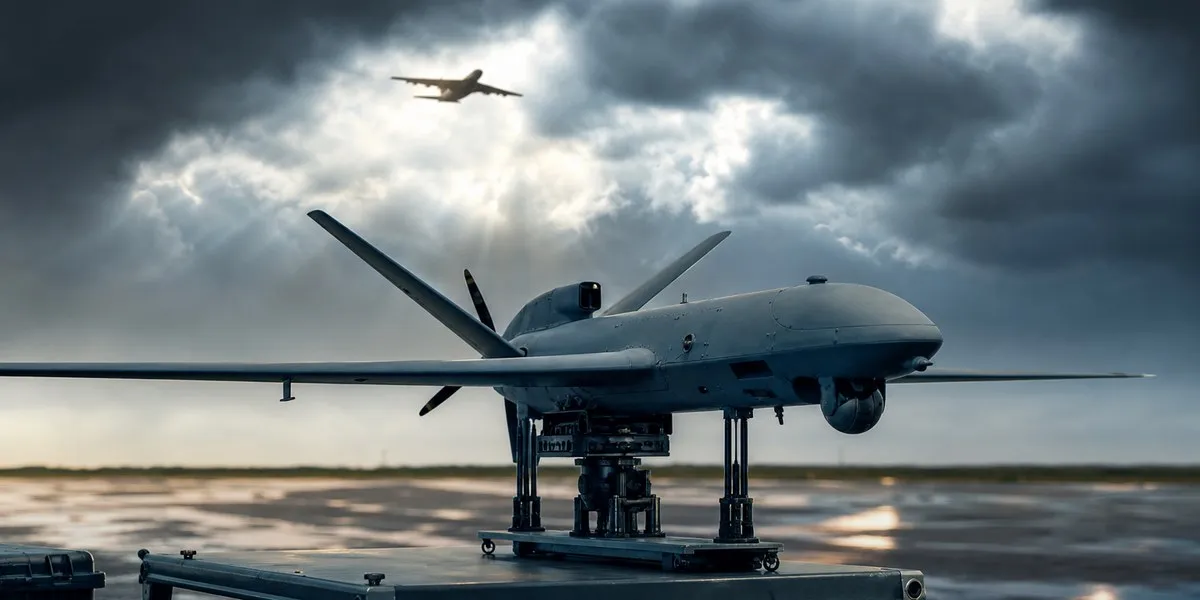
Another topic of discussion will be the balance between employing unmanned systems and traditional weaponry, like tanks and artillery. Notably, France has earmarked approximately €8.4 billion for drones and loitering munitions, while Germany is set to establish its first specialized drone regiment in the upcoming year. Additionally, allies plan to evaluate Ukraine’s experience with aerial, maritime, and ground drones, along with air defense systems and missile deployments.
