




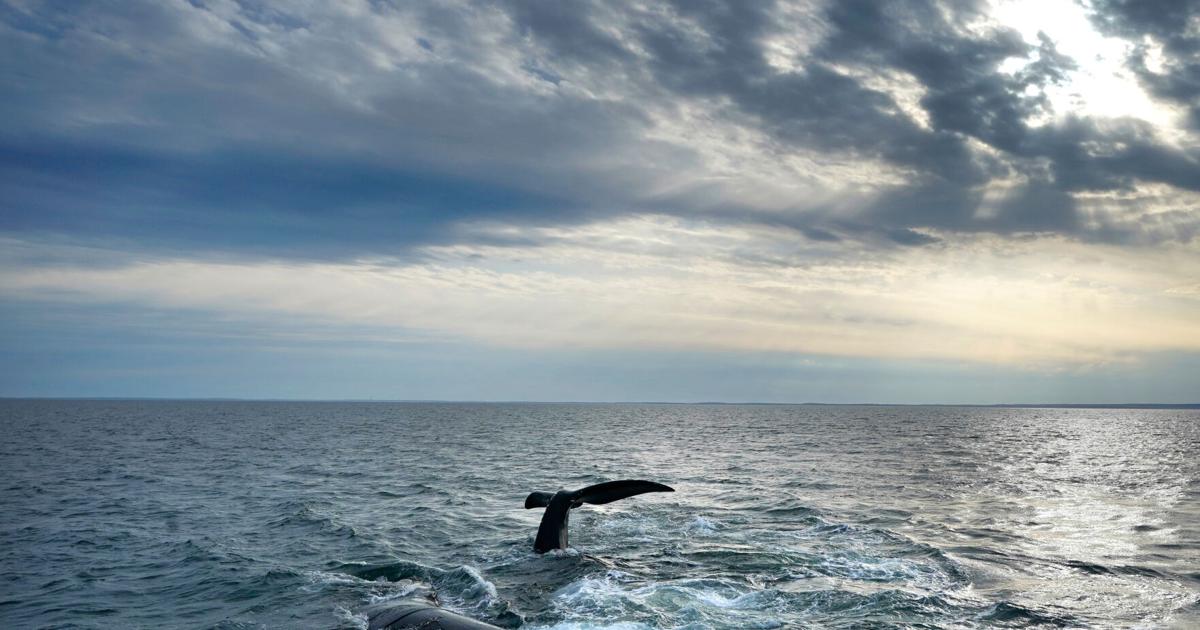
The population of the North Atlantic right whale has declined significantly, with the latest estimates indicating only 336 individuals remaining. This drop has alarmed marine scientists and conservationists, who warn that the species is edging closer to extinction.
According to the National Oceanic and Atmospheric Administration (NOAA), the sharp decline in numbers represents a critical situation for the species that has been on the endangered list since 1970. Experts point to deaths caused by ship strikes and entanglements in fishing gear as the primary threats to the whales.
In 2022, only 20 calves were born, a stark contrast to the record average of 30 calves in previous years, indicating worsening reproductive success. The decrease in births has raised concerns about the long-term viability of the population.
Scientists and agencies engaged in whale research are calling for a renewed commitment to protective measures. In recent years, various stakeholders have implemented strategies to mitigate vessel strikes and reduce entanglements, but many believe stronger actions are needed to reverse the trend.
“We cannot afford to lose more right whales,” said Dr. Amy Knowlton, a senior scientist with the New England Aquarium. “Continued efforts to protect them will be crucial to their survival.”
Regulatory measures include seasonal closures of certain fishing areas and speed limits for ships in critical habitats. However, challenges remain in enforcing these rules amid the ongoing pressures from maritime traffic and commercial fishing.
The NOAA is expected to issue updated guidance and conservation strategies as the situation develops. Meanwhile, researchers continue to monitor the population closely, hoping for signs of recovery in the years to come.
