




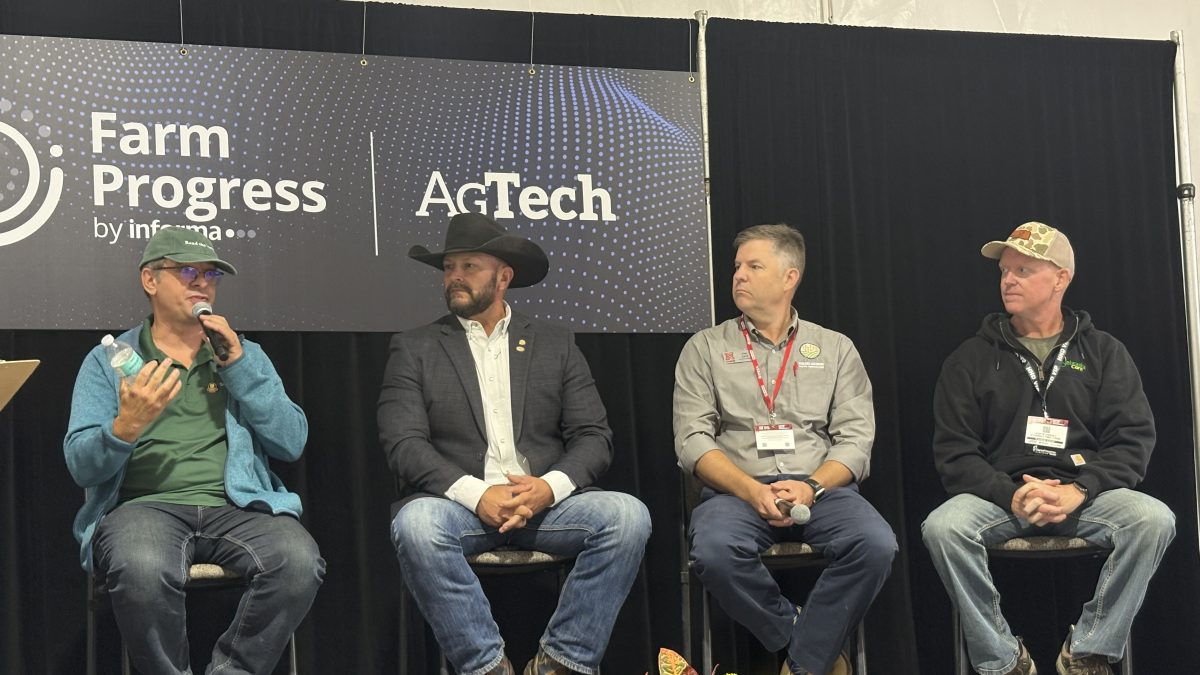
GRAND ISLAND – A panel consisting of industry leaders and experts convened at Husker Harvest Days on September 15 to examine the integration of technology in agriculture, evaluating both its potential benefits and challenges. The discussion featured Olivier Ceberio, CEO of Senseen; Jared Wareham, CEO of Horizon Venture Management; Dr. Joe Luck, a professor at the University of Nebraska-Lincoln; and Quentin Connealy, a farmer from Tekamah.
Analyzing the Role of Technology in Agriculture
As the conversation began, the panelists stressed the importance of a gradual approach to adopting technological innovations. Connealy highlighted the need for farmers to “start small and get big,” pointing out that many in the agriculture sector are older and may face difficulties adjusting to new technology. He emphasized the importance of finding a niche within the technology landscape.
Luck suggested that farmers should concentrate their efforts on one or two fields to begin their technological journey. He noted that resources from the University of Nebraska Extension could provide valuable information for those looking to incorporate new technologies into their practices. Wareham added that younger farmers must embrace innovation, considering that the next generation will rely on sustainable practices to secure their futures on the farm.
Panelists also discussed the significance of honesty and transparency when collaborating with technology providers. Luck advised against overpromising on performance and stressed the advantages of working with nearby companies to foster better relationships. Wareham echoed this sentiment, noting that in agriculture, relationships often take precedence over transactions with companies.
When asked about potential drawbacks to technology in agriculture, Wareham remarked optimistically that the current era is a promising time with few visible downsides. Connealy expressed a preference for businesses that actively involve themselves in the farming process, stating that direct interaction can enhance trust and communication.
Discussions further expanded into the emerging role of artificial intelligence in farming practices. Luck explained that AI is increasingly becoming integrated into agricultural operations, with many farmers experimenting with AI-driven recommendations for crop management. He advised caution regarding the sourcing of information used by AI tools, as many of these systems learn from user data without retaining confidentiality.
The cost implications of AI subscriptions were also debated, particularly concerning affordability for smaller operations. Luck indicated that while many tools are currently offered for free, a shift towards subscription-based services is likely. He also pointed out the longstanding issue of the “silo effect,” where different technologies fail to communicate effectively with one another. This problem may improve with developments in cloud-based systems, facilitating better integration across platforms.
Panelists concluded that robotics could play a significant role in addressing labor shortages in the industry, suggesting that technological advancements will continue to reshape the agricultural landscape in the future.
Why It Matters: As agriculture continues to evolve, understanding the role of technology is crucial for farmers to remain competitive and sustainable. By evaluating both the benefits and challenges associated with technology, producers can make informed decisions that will impact their operations and the broader agricultural sector.
