




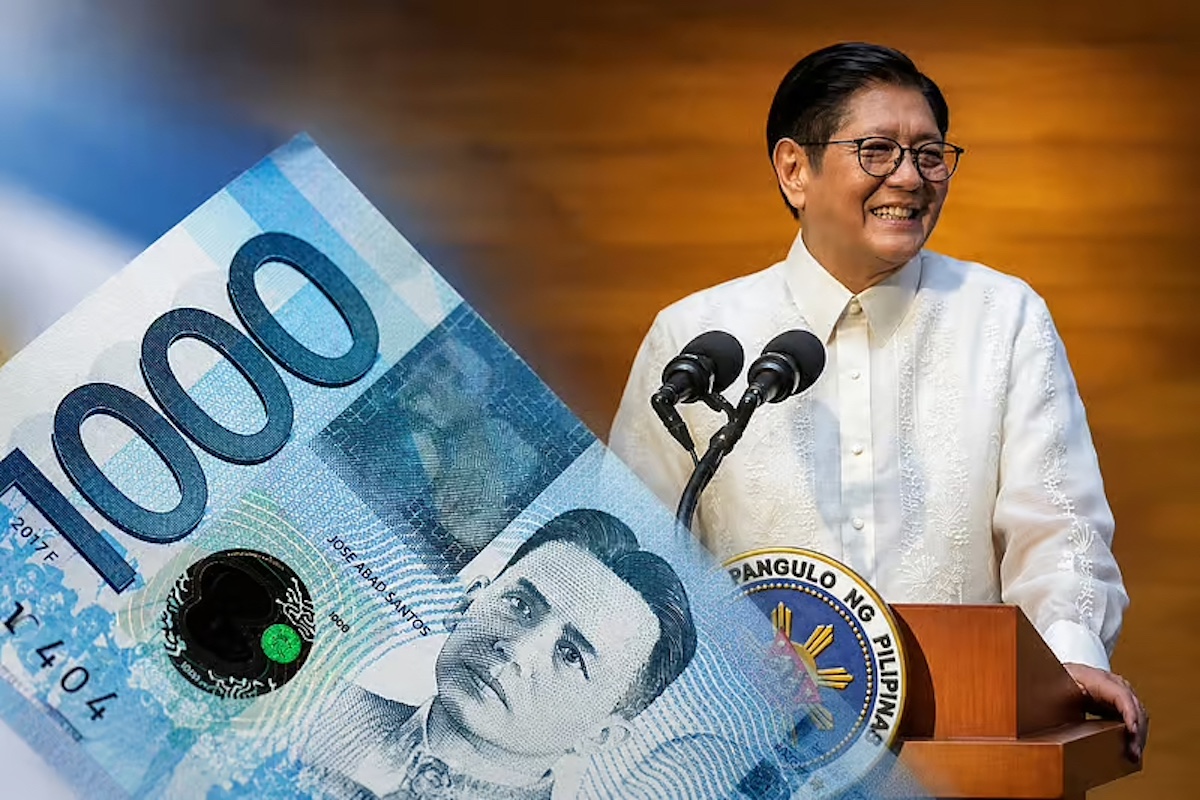
TOKYO – As the Philippine peso nears historic lows, President Ferdinand Marcos Jr. has urged the public not to panic, even as financial markets reflect growing concern. The peso has dropped 8.1% this year, with the government attributing part of its decline to rising global oil prices, a situation exacerbated by the ongoing Iran conflict.
While other Asian currencies such as the Indonesian rupiah and Thai baht have also faced depreciation, the peso’s situation is particularly dire given the Philippines’ $501 billion economy was expected to thrive. This downturn comes despite efforts to enhance the nation’s competitiveness and attract foreign investment over the past decade.
Marcos acknowledged in a recent statement that the peso’s weakness is linked to factors including heightened fuel costs, which have economic implications throughout the country. In March, he declared a national energy emergency, citing urgent concerns regarding energy supply stability.
However, the peso’s struggles cannot be fully explained by external pressures. Persistent current account and balance-of-payments deficits have plagued the Philippine economy for years, alongside inconsistent foreign capital inflows. The Bangko Sentral ng Pilipinas (BSP) has implemented aggressive interest rate hikes to combat inflation, including a recent 50-basis-point increase to 5.5%, but these measures have not yet stabilized the currency.
The BSP has vowed to manage foreign exchange fluctuations, although the country’s foreign reserves have recently fallen below $100 billion. Marcos’ administration asserts it will defend the peso vigorously, but experts suggest that tangible reforms are necessary to restore investor confidence.
The government faces pressure to implement a clearer series of reforms aimed at reducing bureaucratic red tape, enhancing productivity, and addressing corruption. The World Bank has also emphasized the need for a revamp of the tax system to improve government revenues.
Investment confidence has dwindled as inflation rates have surged, with September’s rate hitting 7.2%, a significant increase from August’s 6.1%. Marcos’ approval ratings have faced a downturn, registering between 29% and 30% recently amid growing complaints about rising living costs and government integrity.
Moreover, the looming threat of artificial intelligence on jobs presents another challenge, particularly for the Philippines’ business process outsourcing industry, which accounts for nearly 9% of GDP. The International Labor Organization estimates that over 12 million jobs in the country could be at risk from advancements in AI.
To address these pressing issues, experts advocate for a comprehensive approach, focusing on education and skills training to equip workers for a rapidly changing job market. The current government faces the complex task of elevating policy ambitions to foster investment and stimulate economic growth.
As the peso continues to face challenges, analysts emphasize the importance of action over assurances. Marcos must provide a clear plan for economic reform to inspire confidence among both investors and the general public.
