




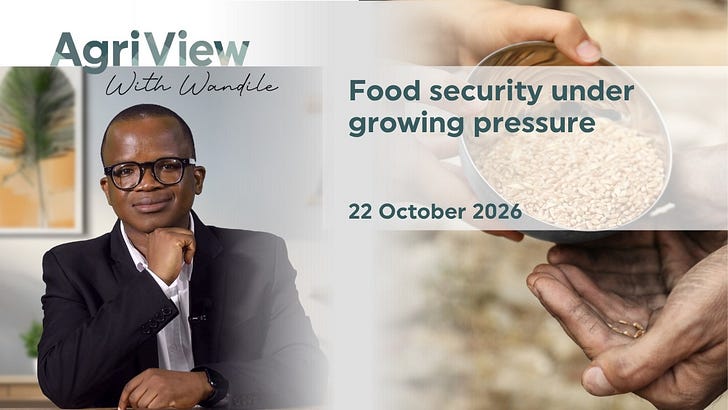
Southern Africa is bracing for potential increases in poverty levels and food insecurity as forecasts indicate that the ongoing El Niño drought may lead to significant crop failures. This alarming situation could severely impact households and farmers across the region.
Experts warn that the repercussions of the drought could be widespread, reflecting a pattern seen during past natural disasters when organizations such as the World Food Programme intervened by importing grain to support the most affected nations. However, there are concerns that this type of assistance may not be as readily available during the 2026-2027 period due to reduced funding from the U.S. government.
The recent cuts in U.S. aid are expected to limit the resources available for humanitarian relief, making it imperative for governments in Southern Africa to prepare for what could be a challenging period. Without adequate external support, local communities may struggle to cope with the compounded pressures of food scarcity and economic instability.
In a related discussion, the complexities of this ongoing issue will be further explored in this week’s episode of AgriView. Stakeholders are encouraged to engage with the content and consider the implications for food security and poverty alleviation in the region.
As the situation unfolds, it remains crucial for local governments, organizations, and communities to strategize on mitigation efforts and ensure adequate support systems are in place to address the potential crisis ahead.
