




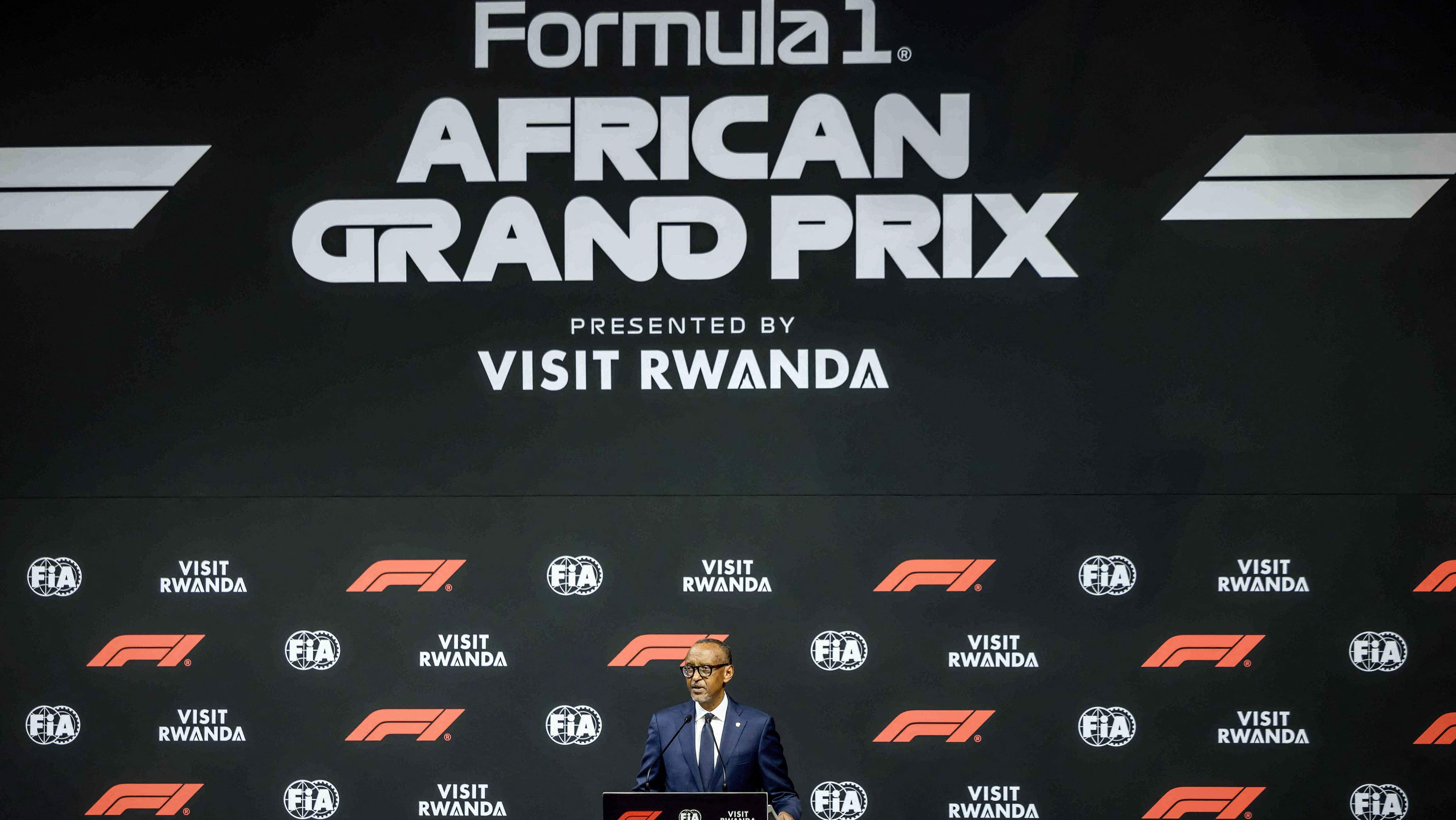
Formula 1 will return to Africa as Rwanda prepares to host the Rwanda Grand Prix, a significant move aimed at elevating the country’s global profile. This event, expected to join the Formula 1 calendar in the early 2030s, represents a critical opportunity for Rwanda to showcase itself on an international stage.
The Rwanda Grand Prix, made possible through a 10-year agreement announced by Formula 1 on October 13, 2026, will feature a purpose-built circuit in Bugesera, near the capital city, Kigali. The initiative aims not only to host a high-profile sporting event but also to reshape perceptions of Rwanda and boost its tourism and investment sectors.
Euan Jones, a Digital PR Expert at Casinos.com, highlighted the importance of this event for Rwanda. He emphasized that the return of F1 to Africa can serve as a powerful tool for destination branding. “The global exposure could help reshape perceptions, attract tourism and investment, and put the country in front of millions of people who may never otherwise have considered it as a destination,” Jones stated.
The Grand Prix is more than just racing; it acts as a global platform that could draw attention to Rwanda’s diverse offerings. The event has the potential to tell a different story about the country, focusing on its rich culture and tourism ambitions. The circuit is also designed to accommodate various events throughout the year, further enhancing its utility for the local community.
Formula 1, which has not raced in Africa since the 1993 South African Grand Prix, sees this return as a way to bridge a considerable gap and engage a rapidly expanding fanbase across the continent. Jones underlined the significance of this connection, stating, “For F1, it’s an opportunity to connect with an existing and growing African fanbase and make the sport feel more inclusive on a global scale.”
However, the challenge for Rwanda will be to build on the momentum generated by the Grand Prix. Engaging local businesses and communities is essential to ensure that the event leaves a lasting impact. This involves transforming international attention into sustainable opportunities and resources that persist long after the race weekend concludes.
Jones believes the true measure of success will hinge on the developments that arise from the event. “The real success, however, will be measured by what happens beyond race weekend,” he said. “Whether that visibility translates into lasting interest, meaningful local opportunities and a legacy that benefits the wider community, which in my mind there’s no doubt it will.”
The Rwanda Grand Prix could mark a historic moment for African motorsport. If successfully leveraged, the event has the potential to significantly alter how the world perceives Rwanda and generate ongoing benefits for its people.
