




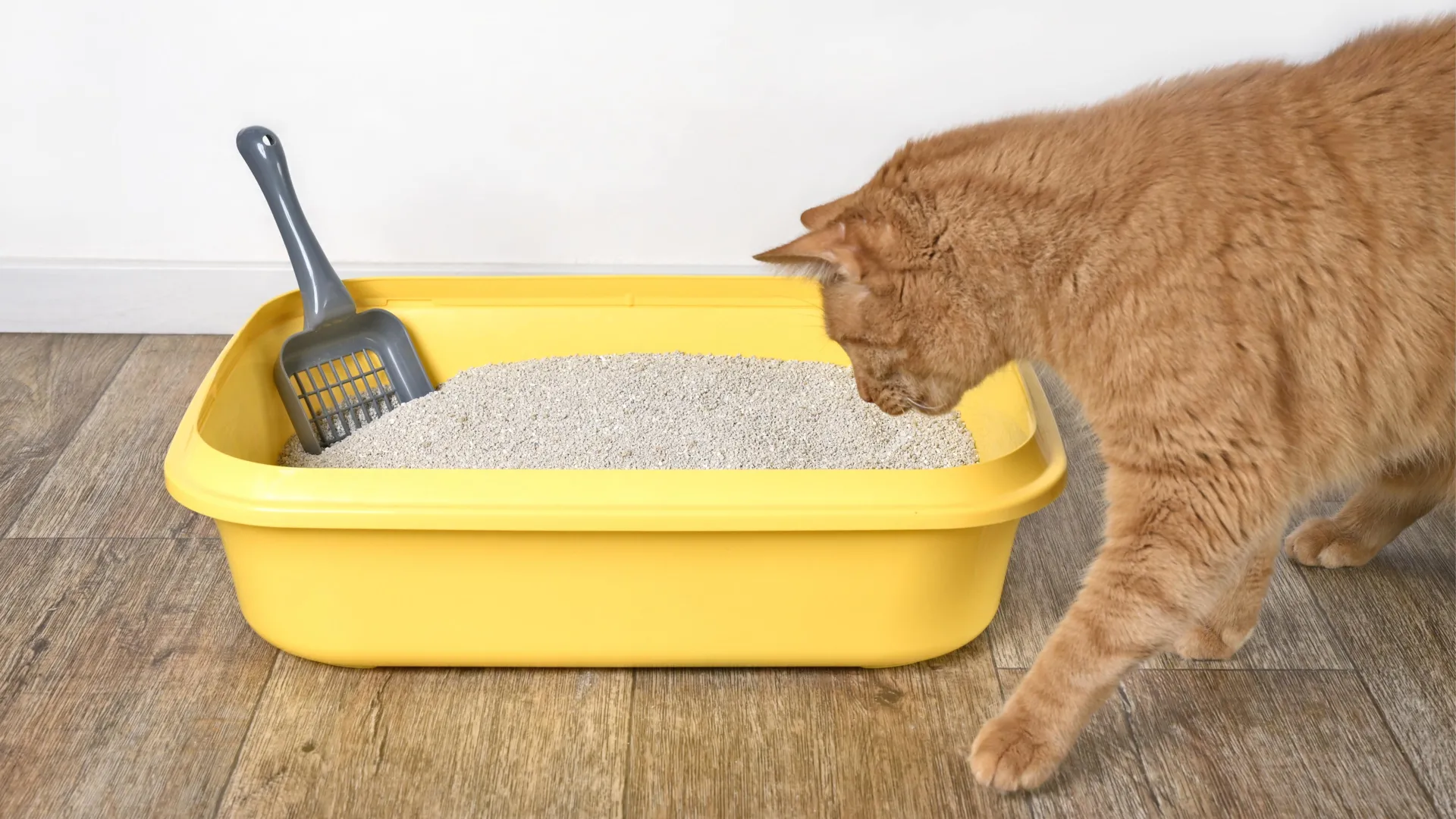
Researchers from Japan, Germany, and Spain have uncovered a unique chemical mechanism in domestic cats that may help them identify one another through urine. This breakthrough, led by Iwate University, suggests that a specific group of fatty acids serves as a chemical signature, allowing cats to recognize individual identities even as scents change and evolve over time.
Unusual Fatty Acids Identified
Cats rely heavily on scent for social interaction and identity recognition, often using urine and other markings left in their environment. However, the chemistry of these compounds can deteriorate as time passes. This study focused on identifying a stable chemical marker in cat urine, leading to the discovery of thirteen branched-chain fatty acids (BFAs) that vary by individual but remain consistent for the same cat.
Behavioral experiments demonstrated that cats can distinguish between different BFA profiles when other lipid components in urine are controlled. The researchers found that when cats were exposed repeatedly to the same urine sample, their investigatory behavior decreased. Introducing a new sample elicited increased interest, indicating their ability to recognize individual scents over prolonged periods. The study also highlighted the flehmen response, an open-mouthed expression that cats show when they encounter new odors, which was consistently triggered by unfamiliar urine.
Professor Masao Miyazaki, who led the research, emphasized that identifying the urinary molecules contributing to individual scent recognition was critical to understanding how cats communicate through urine. The study indicates that these BFAs may act as a persistent “calling card,” enhancing the ability of cats to discern individual identities.
Additionally, the study revealed an interesting connection between these fatty acids and the kidneys. Researchers found that BFAs were present in kidney tissues, suggesting that lipid droplets within the kidneys might serve as storage reservoirs for these compounds, thus maintaining stable chemical signatures over time.
The findings may extend beyond domestic cats, as similar BFA-related compounds have been detected among various wild felid species, including lions and tigers. However, distinct BFA profiles were noted among the species, indicating variability in how different cats may use these chemical markers.
Understanding how cats preserve individual scent in changing environments could contribute to broader insights into animal communication and behavior.
Why It Matters
The research not only sheds light on feline communication but may also have implications for veterinary science, wildlife conservation, and odor management. By providing a non-invasive method to identify wild cat populations through urine samples, this discovery could help monitor and protect endangered species without disrupting their natural habitats. Furthermore, a deeper understanding of fatty acids may support advances in managing odors associated with cats, benefiting pet owners and animal care facilities.
