




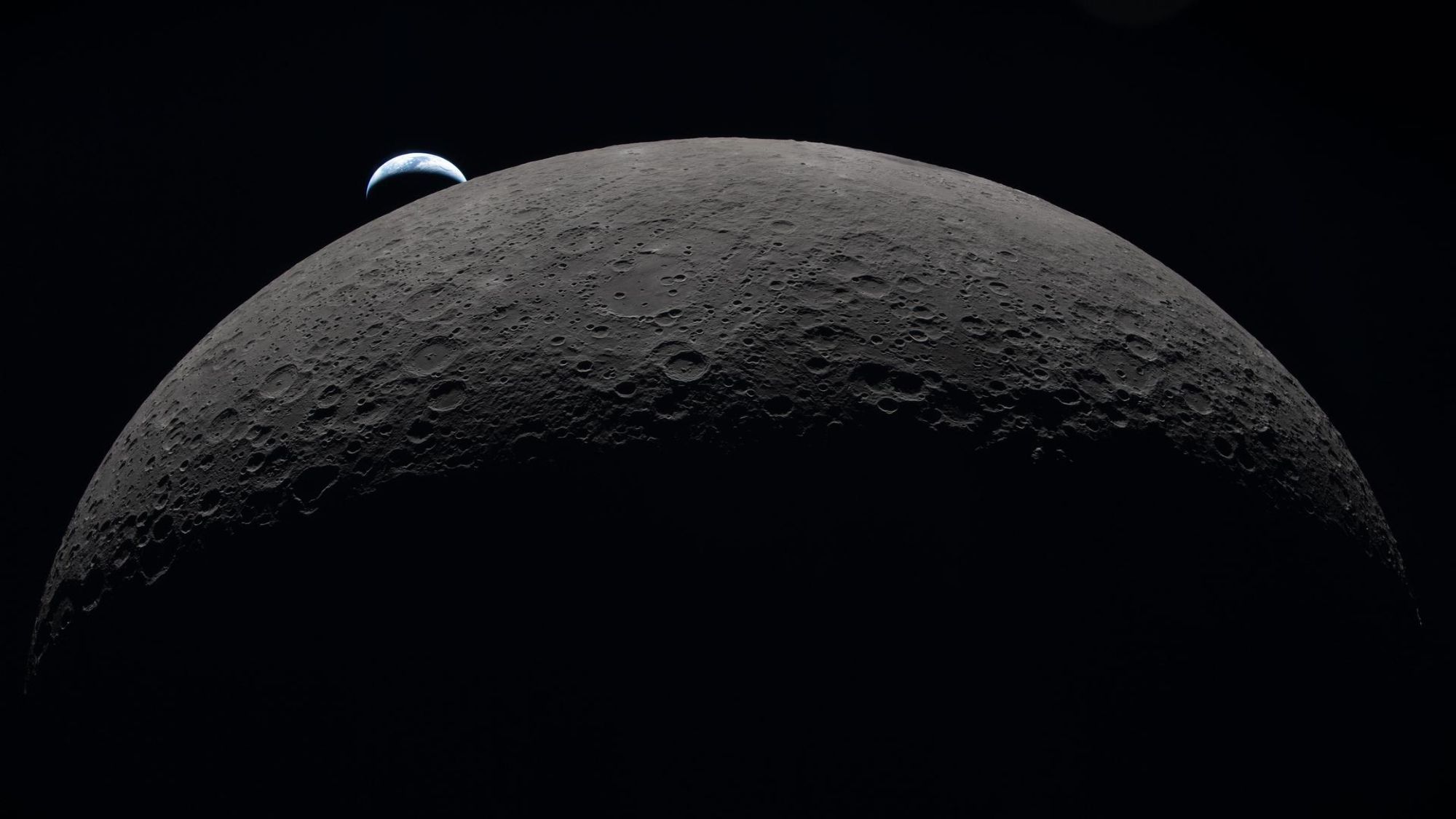
A recent proposal suggests the possibility of finding alien technology embedded in moon dust. The concept, not yet peer-reviewed, involves the search for “microscopic technosignatures” on the lunar surface. The SETI Institute, which focuses on the Search for Extraterrestrial Intelligence, describes these technosignatures as tiny engineered particles that may have arrived from interstellar space and settled on the moon.
Research Background
The institute highlighted a paper on the topic, authored by SETI Institute Affiliate Scientist Lewis Pinault, published on arXiv in August. This research is currently undergoing peer review for potential publication in the International Journal of Astrobiology. Pinault explained that the moon has accumulated material from space over billions of years, which may include particles that predate the moon itself. He posed the question of whether this ancient material could contain microscopic evidence of technologies from civilizations that existed long before humanity.
The search for these technosignatures could enhance scientific understanding of dust trajectories in interstellar space, as well as contribute to fields such as lunar geology and impact studies, according to the institute. It clarified that the study does not claim to have found extraterrestrial technology, but emphasizes that the exploration for these signatures can now be approached scientifically.
Advancements in space exploration programs, including NASA’s Artemis program and China’s Chang’e robotic missions, are expected to support this research by enabling sample collection from the moon. The Artemis program aims to return astronauts to the moon, while China plans to send its astronauts there by 2030.
The SETI Institute, known primarily for its searches for artificial radio signals from extraterrestrial sources, is now broadening its scope. The new study aims to focus on potentially durable particles left by past alien communities, even if those civilizations no longer exist. The research theorizes how these particles might traverse vast cosmic distances, embed themselves in the moon’s surface, and could be analyzed using techniques such as AI-assisted imaging and microscopy.
Compared to Earth, the moon’s stable geological environment provides a unique opportunity to study such particles, as it lacks flowing water or a substantial atmosphere. The moon has collected dust for approximately four billion years, creating a potential archive of interstellar materials.
The research aims to analyze approximately 35 cubic feet of lunar regolith, roughly the size of a refrigerator, using various tools to determine the presence of durable materials that may represent advanced technological civilizations in the Milky Way. Even if these samples yield no evidence of technosignatures, the research will still hold value for understanding extraterrestrial artifacts and advancing methods of lunar sample analysis not available during the Apollo missions.
Why It Matters
This innovative approach to searching for potential extraterrestrial technologies represents a significant addition to methodologies in astrobiology and the ongoing exploration of our solar system. As research progresses, it may provide insights into the history of interstellar material and the enduring question of life beyond Earth.
