




South Africans will participate in pivotal local government elections on November 4, marking the most significant vote since the end of apartheid. With the African National Congress (ANC) having dominated the political landscape for decades, many municipalities are now facing dire situations, describing conditions close to civic collapse.
The Southern African Catholic Bishops’ Conference highlighted the urgency of the situation in an August statement, calling for a “renewed spirit of the common good.” They acknowledged widespread failures in municipal governance, citing serious issues such as water shortages, uncollected waste, deteriorating roads, and inadequate recreational facilities for youth.
According to the Auditor-General’s Office, as reported in its 2024-25 audit, only 39 out of 257 municipalities in South Africa achieved clean audits, representing a mere 15 percent. These statistics underscore the financial and operational struggles faced by local governments across the country.
Local elections, while typically of less interest than national elections, are crucial as they dictate the management of essential services including water, sanitation, electricity, and waste disposal. A voter can hold local councillors directly accountable, which emphasizes the importance of these elections for everyday life in South Africa.
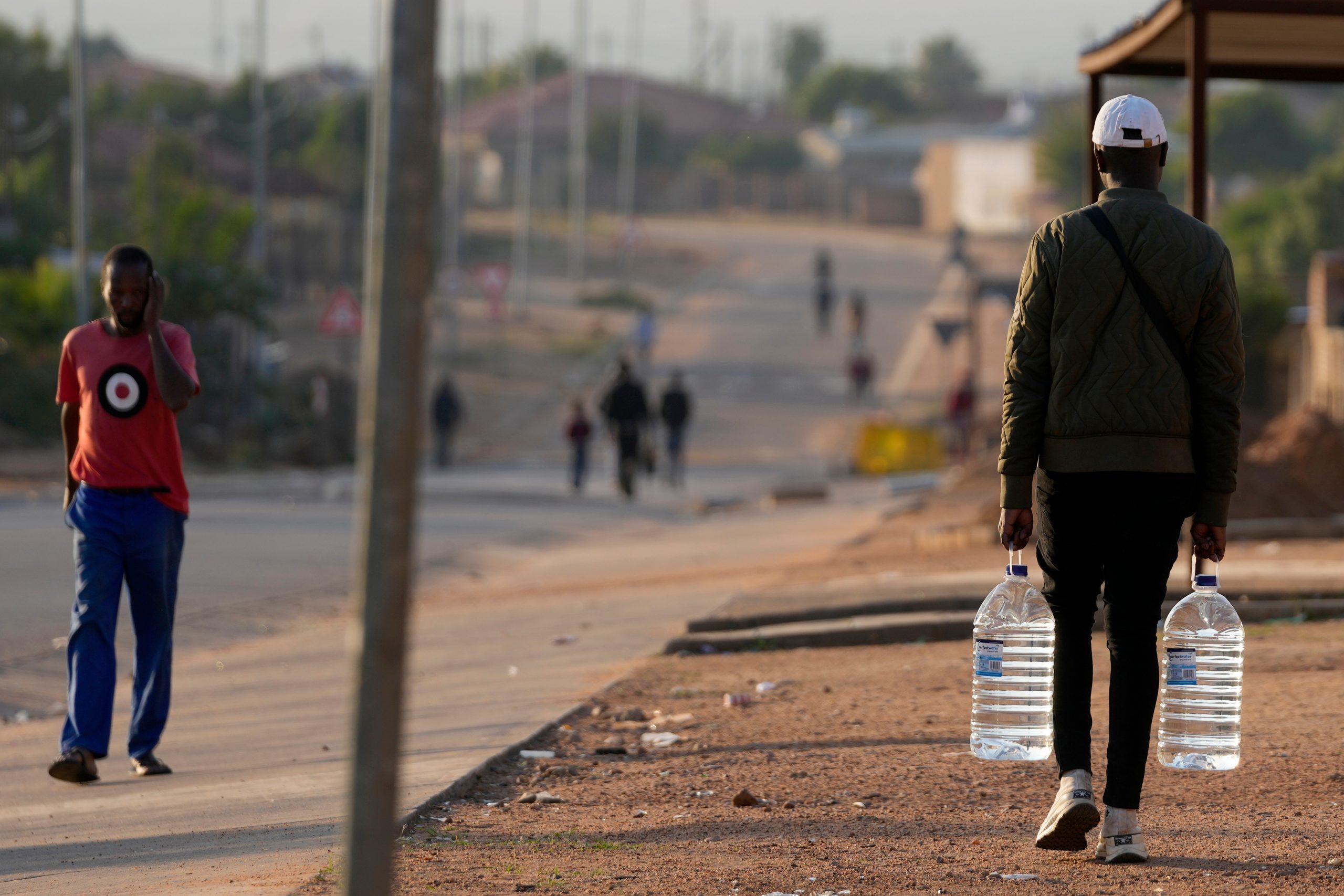
Recent events illustrate the stakes involved. Over 500 individuals developed gastrointestinal illness attributed to poor water quality in two cities. This situation prompted officials to advise communities east of Pretoria against drinking tap water, highlighting the severe public health risks stemming from municipal failures.
In Johannesburg, infrastructure decay is evident with regular disruptions to water and electricity services. Residents frequently experience broken water mains, electrical failures, and sewage spills. The bishops identified nepotism, corruption, and the influence of organized crime as significant contributors to the ongoing failures within municipal systems.
Johannesburg, which has struggled with its financial obligations to the national electricity supplier, Eskom, exemplifies the systemic problems. The Kai !Garib municipality in the Northern Cape experienced the suspension of electricity supply due to debts surpassing one billion rand (approximately $60 million), compounded by local mismanagement despite being part of a debt-relief initiative.
This election occurs against the backdrop of a changing political landscape following the 2024 national parliamentary elections, where the ANC was forced into a coalition government for the first time since 1994. Political analysts are closely watching if this trend will extend to local municipalities.
Coalition governance at the local level has faced instability, often resulting in power struggles, delayed budgets, and ineffective service delivery. Political patronage continues to hinder progress, as appointments are frequently made based more on party loyalty than competency.
The bishops have also pointed out that corruption related to service contracts has severely impacted resource allocation, leading to inflated costs and reduced access to essential services for residents.
Amid these challenges, the bishops called on citizens to reflect on their own roles, emphasizing that voter participation is crucial but insufficient on its own. They urged South Africans, especially the youth, to view the elections as an opportunity to reclaim their civic responsibilities and initiate positive change.
As the elections approach, the outcome will significantly influence the future of South Africa’s municipalities, potentially serving as a turning point for the nation’s democratic system. The bishops reminded voters that real change requires continued engagement both at the polls and in their communities.
