




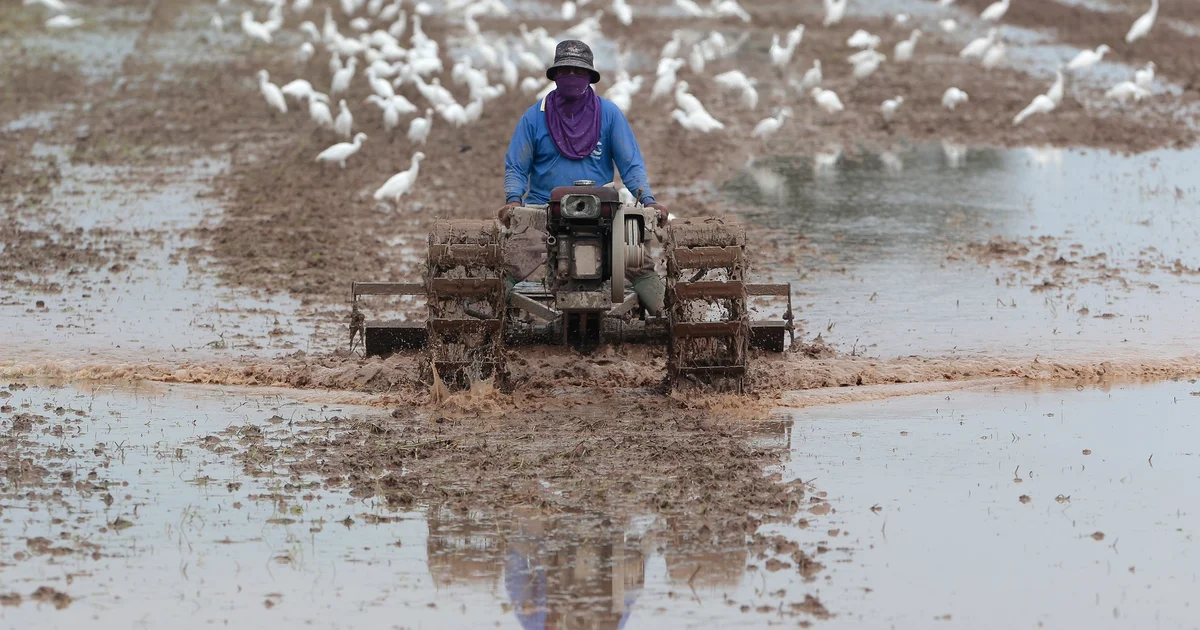
Southeast Asia is increasingly challenged to enhance its rice production systems to cope with climate volatility, particularly as extreme heat threatens yields. Experts highlight that conventional agricultural methods alone may not be enough to address these challenges. Instead, biotechnology is positioned as a vital tool for developing rice varieties that can withstand environmental stresses while meeting rising demand due to population growth and changing consumption patterns.
The International Rice Research Institute (IRRI) is already making strides in this area by creating “climate change-ready” rice varieties capable of surviving adverse conditions such as drought and poor soil. Innovations like CRISPR (Clustered Regularly Interspaced Short Palindromic Repeats) are being utilized to fast-track the development of rice that possesses targeted traits for stress tolerance and disease resistance.
In addition to genetic modification, the field of biotechnology encompasses techniques such as marker-assisted selection and nuclear mutation breeding. Collaborative initiatives throughout Southeast Asia are leveraging these technologies to enhance climate-resilient rice production, reinforcing regional food security.
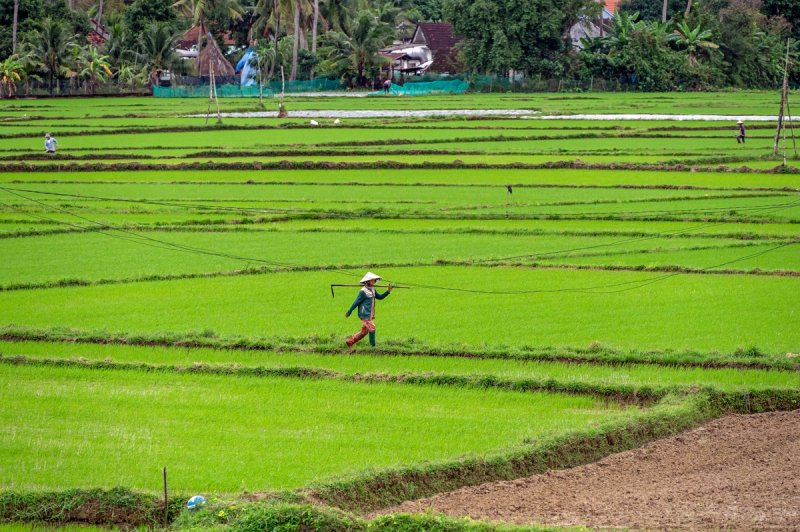
Biotechnology’s applications extend beyond crop resilience. Biomanufacturing represents another avenue where rice and similar grains could be utilized to produce high-value proteins and pharmaceuticals. These advancements underscore biotechnology as not merely a future solution but a current, impactful approach to agricultural adaptation.
Despite its potential benefits, the integration of biotechnology into rice production faces significant hurdles. Many smallholder farmers, who comprise a large segment of the agricultural workforce, may lack the financial means, technical expertise, or institutional support necessary to adopt new technologies. This gap could exacerbate existing inequalities, favoring larger commercial farms while leaving vulnerable communities behind. Public acceptance of genetically modified organisms (GMOs) and gene-edited crops also poses challenges due to safety and environmental concerns.
Additionally, structural weaknesses within Southeast Asia’s food systems hinder the full benefits of technological innovations. Insufficient infrastructure, including irrigation and storage systems, can lead to substantial agricultural and post-harvest losses. Addressing these limitations necessitates investments in logistics, rural development, and digital agriculture.
Regional collaboration will play a crucial role in enhancing grain security. Countries within the Association of Southeast Asian Nations (ASEAN) can benefit from coordinated research, shared technologies, and strategic trade initiatives that stabilize food access amidst supply shocks. Existing ASEAN-CGIAR programs serve as a model for how regional cooperation can bolster climate resilience and food security.
As environmental pressures mount and food demand escalates, Southeast Asia must act swiftly to adapt its agricultural systems. Failure to do so risks declining yields, increased food prices, and potential social instability. To secure its position as a global food supplier, the region must not only protect existing agricultural frameworks but also transform them, with careful investment in biotechnology and supportive policies aimed at inclusivity and public trust.
