




Roman Africa played a key role in the history of the Roman Empire and its economic stability, marking a journey from expansion through the Punic Wars to its eventual decline. This region became essential not only in terms of resources but also as a cultural crossroads, impacting the course of Roman history significantly.
The Beginning: The Punic Wars
The Roman expansion into Africa commenced with the Punic Wars, a series of conflicts between the Roman Republic and the Carthaginian Empire during the 3rd and 2nd centuries BCE. The Third Punic War (149-146 BCE), was particularly decisive, culminating in the siege of Carthage. The Romans captured the city and destroyed it, afterward establishing a new province called Africa. This territory was vital for Rome due to its fertile agricultural land, major ports, and strategic position, reinforcing Roman control over the Mediterranean.
Rome Annexes Egypt
Carthage was a crucial gateway for Roman access to the broader North African region. Following its defeat, Rome expanded into territories that are now Morocco and Libya. The annexation of Egypt, under the unpopular Ptolemaic dynasty, was especially significant. This region’s annual Nile floods nourished its agricultural output, making it essential for Rome’s grain supply. The relationship between Roman leaders, including Julius Caesar and Mark Antony, and Queen Cleopatra of Egypt added a layer of political intrigue, especially when Octavian declared war on Cleopatra, leading to the pivotal Battle of Actium in 31 BCE.
Africa Becomes Integral
North Africa emerged as Rome’s breadbasket, supplying grain, olives, wine, and other goods. The Romans established a complex military infrastructure, including roads and fortifications, particularly in provinces like Numidia in modern-day Algeria. Despite these advances, not all of North Africa was fully conquered due to geographical barriers like the Atlas Mountains and the Sahara Desert.
The Height of Roman Africa
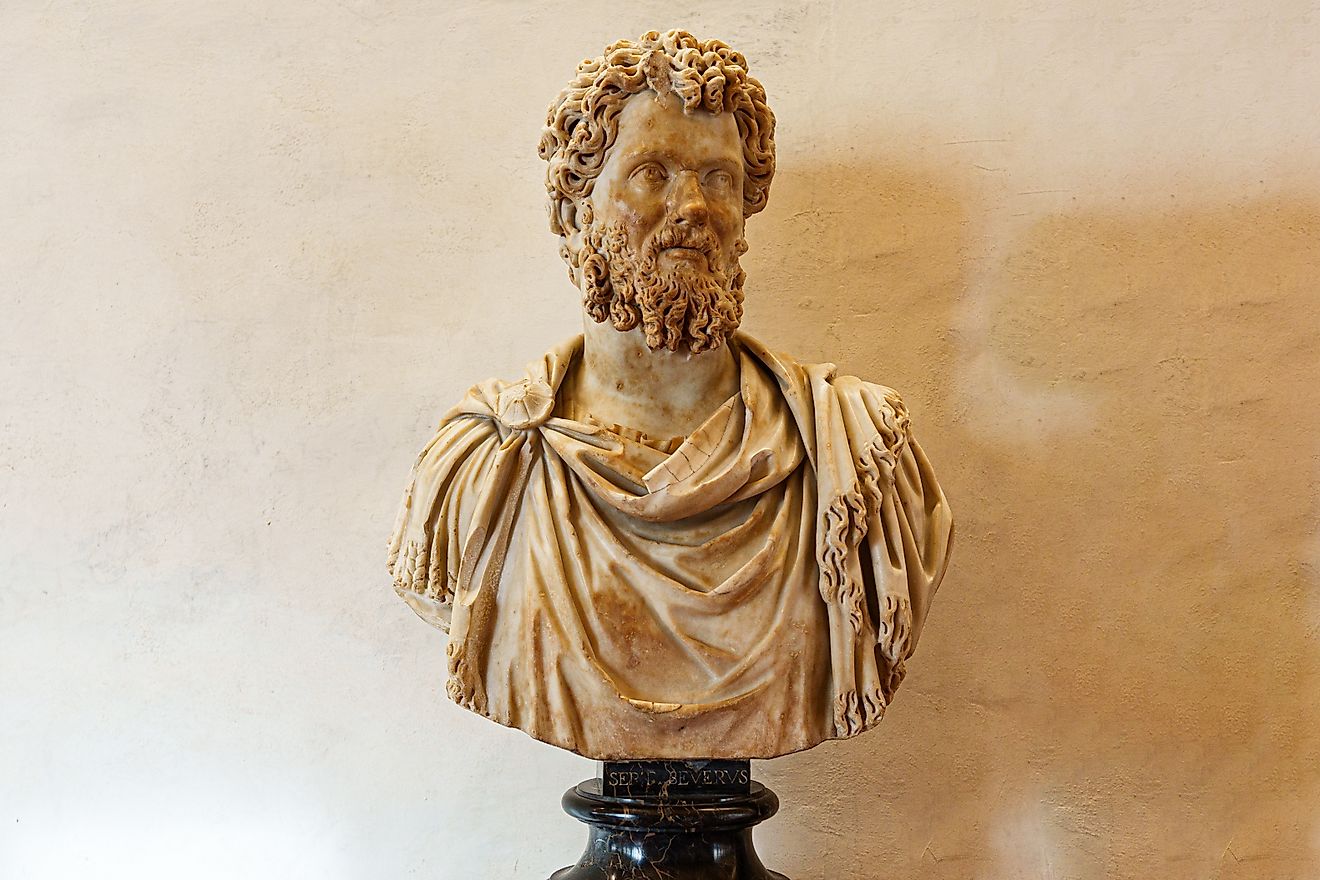
By the 2nd century CE, Roman Africa reached its zenith under the leadership of emperors such as Trajan and Hadrian. The stability of this period allowed for enhanced trade, agricultural growth, and urbanization. Roman-African elites, like Septimius Severus, who became emperor in 193 CE, played a crucial role in promoting Roman cultural integration and infrastructure development in the region.
Rome Struggles But Africa Thrives
While the Roman Empire faced mounting challenges, including the Crisis of the Third Century—a period marked by civil unrest and economic struggles—North Africa remained resilient. As provinces in Italy and Gaul saw reduced productivity, the importance of Roman Africa grew, providing essential support to the faltering empire.
The Collapse of the Western Roman Empire
The 5th century CE heralded significant challenges for Roman Africa, particularly with the invasion of the Vandals, a Germanic tribe, who captured Carthage in 439 CE. This loss was particularly detrimental as it coincided with the Western Roman Empire’s weakening after its split from the Eastern Empire in 395 CE. The Vandals went on to sack Rome in 455 CE, contributing to the Western Roman Empire’s collapse in 476 CE.
The End of Roman Africa
Despite the fall of the Western Roman Empire, Roman Africa did not vanish entirely, as the Eastern Roman Empire, later known as the Byzantine Empire, continued to exert influence. Emperor Justinian I even managed to reclaim parts of North Africa temporarily. However, ongoing threats from Berber tribes and internal instability led to a gradual decline. By 641 CE, Islamic armies captured Egypt, and Carthage fell to the Umayyad Caliphate in 698 CE, marking the definitive end of Roman influence in North Africa.
The rise and decline of Roman Africa illustrate its importance in the broader narrative of the Roman Empire, serving as both a stronghold and a source of resources that shaped the empire’s destiny.
