




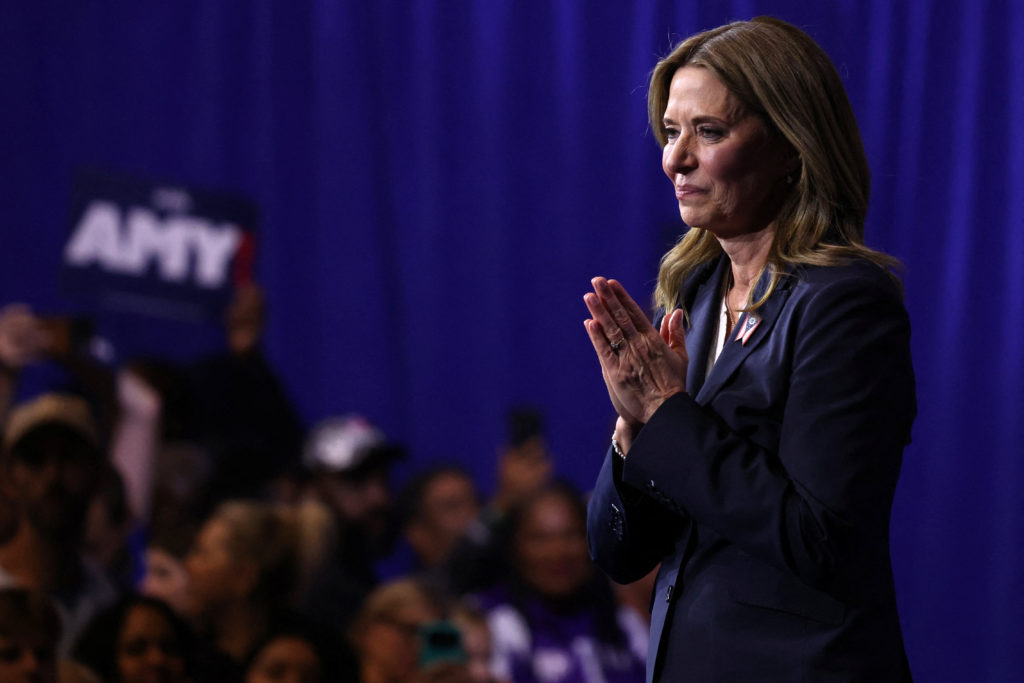
In a striking political turn, Ohio gubernatorial candidate Vivek Ramaswamy aired an advertisement attacking his opponent, Dr. Amy Acton, that invoked her history as a survivor of childhood sexual abuse. The ad, which Ramaswamy reportedly spent $4 million on, featured Acton’s estranged mother questioning the veracity of her daughter’s claims about the abuse. This advertising strategy seemed to backfire, as Acton, a Democrat, won the election by an 8-point margin in a state where the party had not held the governorship in almost two decades.
Leanna Rocheleau, a small business owner and survivor of sexual violence, described her reaction to the ad as “triggered” and expressed her determination to advocate for change. “I was disturbed by the ad — but also fueled to jump back into the fight,” Rocheleau stated. She has been active in promoting legislation aimed at protecting survivors, motivated by her own pursuit of justice following her experience of sexual assault by a massage therapist.
Rocheleau faced numerous obstacles in her quest for accountability. Despite reporting the alleged assault, it took a year for local police to formally file her report. Ultimately, a prosecutor decided not to pursue charges due to a lack of evidence. This led Rocheleau to channel her frustration into advocacy, speaking to legislators about the challenges survivors face. Through her efforts, she has connected with Chris Graham, a fellow survivor advocate, who has been instrumental in organizing grassroots support at the Ohio Statehouse.
Survivors like Rocheleau and Graham are part of a growing movement that has influenced political narratives and outcomes across the country. Sheerine Alemzadeh, founder of the grassroots organization Healing to Action, termed this group of advocates as a “political constituency” that is gaining strength and visibility. The midterms saw notable consequences for candidates facing allegations of sexual misconduct, with several withdrawing or losing their races.
In Ohio, the ad’s critical reception was accompanied by other election developments, including U.S. Rep. Max Miller losing his seat amid allegations of spousal abuse. At a national level, several Democratic candidates who faced accusations of sexual misconduct either withdrew from their races or were defeated. Liz Roberts, CEO of Safe Horizon, commented on the election results, labeling them as a significant victory for survivors of abuse and advocating for accountability among those in power.
Graham, who experienced sexual abuse as a child, noted the disturbing nature of the ad as it weaponized Acton’s personal history against her. He remarked on the impact Acton’s story might have on others grappling with similar experiences and how it could inspire them to seek justice. The Centers for Disease Control and Prevention estimates that one in four girls and one in 20 boys are survivors of childhood sexual abuse, highlighting the widespread nature of this issue.
Jessica Miranda, a Democratic county auditor and former state representative, emphasized the importance of storytelling in enacting policy change, noting that her own experiences of abuse fueled her legislative efforts. During her tenure in the Ohio Statehouse, she helped pass significant bills aimed at improving protections for survivors.
Looking ahead, Graham indicated that there is a bipartisan effort underway in Ohio to address statutes of limitations on childhood sexual abuse, with potential legislation expected to be introduced soon. With Acton now serving as governor, advocates hope that meaningful reforms for survivors will gain traction.
