




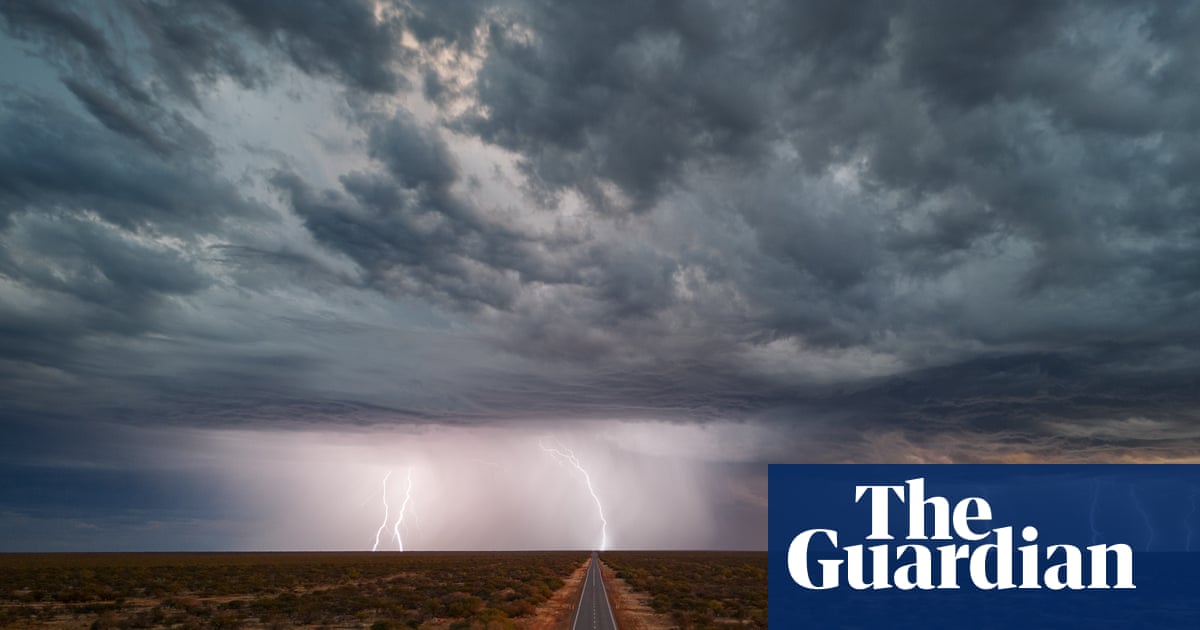
Lightning is gaining attention as it becomes an increasingly critical environmental and cultural phenomenon. In Australia’s Kakadu National Park, local Indigenous stories from the Bininj people depict Namarrkon, a figure believed to control lightning and storms, who shaped the landscape with his stone axes. According to Bininj lore, Namarrkon is responsible for thunder and rain, intertwining the natural and spiritual worlds.
Globally, lightning strikes the Earth around 60 times a second, generating immense energy—up to seven gigajoules per strike. These discharges impact Earth’s electrical fields, aid in the nitrogen cycle, and play a key role in global ecosystems. However, as climate change progresses, both the frequency of lightning and its role in natural systems may undergo significant changes, with potential severe consequences for weather patterns and fire risks.
Recent events highlight the growing concern about lightning-related disasters. In July, over 48,000 lightning strikes triggered extensive wildfires across Canada and the northwest United States, leading to widespread destruction and health hazards from smoke. During the previous summer’s heatwave, south-eastern England experienced nearly 30,000 lightning strikes in one day. Annually, lightning strikes affect approximately 250,000 people worldwide, resulting in about 24,000 deaths.
Changes in Lightning Patterns
As the climate heats up, scientists are studying how lightning activity may evolve. Some projections indicated that global warming could increase lightning strikes by an average of 7.5% per degree Celsius, yet findings remain uncertain. Andrew Dowdy, an associate professor of climate science at the University of Melbourne, noted that while conditions for lightning may enhance in a warmer world, substantial uncertainties persist in understanding how exactly climate change will affect lightning frequency and intensity.
Despite the potential for increased activity, some regions, particularly in Australia, have seen declines in thunderstorm occurrences while experiencing more instances of dry lightning—strikes that occur without rain. A recent report from Australia’s Emergency Leaders for Climate Change emphasized a 50% increase in dry lightning events in the southeast, linking it to intensifying fire conditions. Dowdy pointed out that lightning serves as a natural ignition source for wildfires, often causing larger blazes in remote areas.
Interestingly, extreme wildfires are leading to the formation of their own weather systems known as pyrocumulonimbus clouds, which can generate additional lightning. These intense phenomena have become more frequent, particularly noted during Australia’s Black Summer fires and recent wildfires in Europe. Jason Evans, a professor at the University of New South Wales, remarked on a significant increase in pyrocumulonimbus events, asserting the challenges these create for firefighting efforts.
The dynamic between climate, lightning, and human activity continues to evolve, raising questions about what the future holds. While ancient cultures revered lightning for its dual nature, linking it to life and death, modern understanding increasingly recognizes the complexities and dangers it may bring in a changing climate.
