




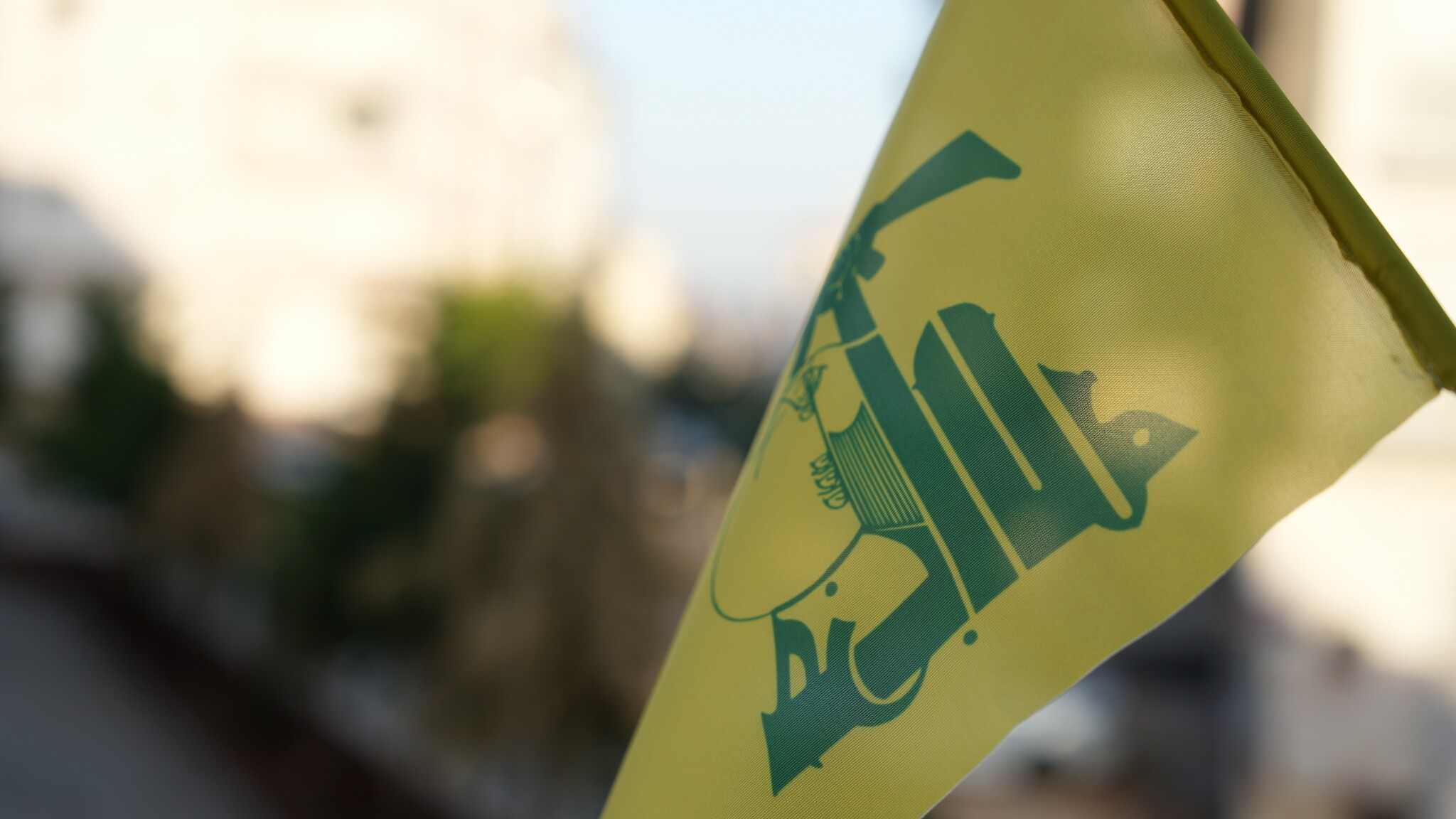
Hezbollah parliamentarian Ali Mokdad rejected calls for the group’s disarmament at a political event in Baalbek on Saturday, stating, “Not today, not tomorrow, not in a hundred years.” Mokdad emphasized that disarmament would not happen while Israel maintains a military presence in Lebanon. He further urged the Lebanese government to halt a U.S.-brokered trilateral framework aimed at advancing Hezbollah’s disarmament.
U.S. Ambassador to the United Nations Mike Waltz met with Parliament Speaker Nabih Berri, a long-time political ally of Hezbollah, just two days later. Berri echoed Mokdad’s sentiments, citing Israel’s continued presence as a significant barrier to disarmament. However, both remarks overlook Hezbollah’s contribution to ongoing crises in Lebanon, including their attack on Israel on October 8, 2023, and the resurgence of hostilities earlier this year.
Despite a commitment from the Lebanese government to establish a monopoly on weapons, influential figures within the government have resisted enforcing this pledge. Some officials are aligned with Hezbollah ideologically, while others fear retaliation or societal unrest. In 2008, Hezbollah demonstrated its power by seizing sections of Beirut after the government confronted the group about its military communications network.
Washington’s strategy to break this deadlock necessitates action against not only Hezbollah but also the political figures who protect it from disarmament. Recent resistance has been evident among Lebanese Cabinet members. In August, Minister Rakan Nassereddine and Environment Minister Tamara Zein walked out of a Cabinet meeting discussing disarmament initiatives. This was followed by Hezbollah and Amal ministers withdrawing from discussions concerning Army Commander Rodolph Haykal’s disarmament plan in September.
Obstacles also arise regarding holding Hezbollah accountable for specific incidents. Following the interception of over 1,700 pounds of explosives, which Hezbollah admitted to owning, there was an attempt by Justice Minister Adel Nassar to refer the case to the Judicial Council. Minister Mohammad Haidar opposed this, labeling it “politically motivated,” and intervention by Berri led to a postponement of the issue.
Judicial enforcement in these matters has raised concerns as well. In March, after the Cabinet prohibited Hezbollah’s military activities, a military court released three detained Hezbollah members associated with weapon transport after imposing nominal fines.
Inconsistent institutional responses have also been noted regarding Iran’s ambassador-designate, Mohammad Reza Sheibani. After Foreign Minister Youssef Rajji declared him persona non grata in March, Berri opposed this designation, and despite protests from Hezbollah-affiliated ministers, Sheibani was allowed to remain in Lebanon as a non-diplomatic resident.
Washington has begun to address Hezbollah’s enablers within Lebanon’s security establishment, but these actions thus far have not resulted in significant accountability. In May, the U.S. Treasury sanctioned several Lebanese officials for reportedly sharing intelligence with Hezbollah, yet there has been little indication of punitive measures from Lebanese authorities.
Past U.S. sanctions have yielded results. Following congressional action against Hezbollah’s finances in 2015, Lebanese banks closed numerous accounts linked to the group. Recent moves have included the liquidation of Jammal Trust Bank following its designation for facilitating Hezbollah’s financial activities and the revocation of Iran’s Bank Saderat’s license to protect Lebanon’s banking sector.
To further leverage the threat of sanctions, Washington should intensify scrutiny of political and military figures associated with Hezbollah, notably Berri. Continued investigations and sanctions targeting those identified by the Treasury as supporting Hezbollah can help press Lebanon to take necessary actions regarding sanctioned officials within its political and security spheres.
