




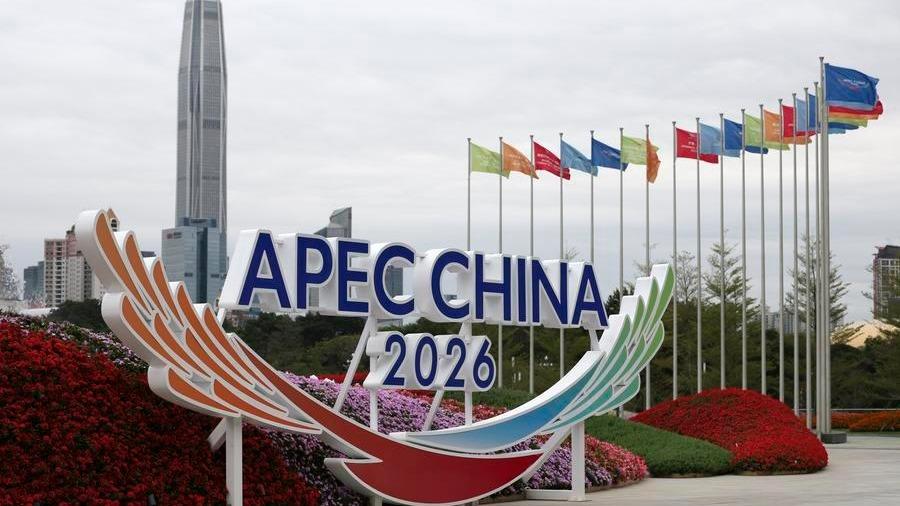
Chinese President Xi Jinping emphasized the need for enhanced collaboration in the Asia-Pacific region during the 33rd Asia-Pacific Economic Cooperation (APEC) Economic Leaders’ Meeting held in Shenzhen on November 19, 2026. He called for a united effort to cultivate an Asia-Pacific community and usher in a “new chapter” in regional prosperity.
In his address, Xi highlighted the importance of solidarity, mutual assistance, and openness as foundational elements for cooperation. He noted that these principles not only guide economic interaction within the region but also provide essential strategies for navigating global uncertainties.
Experts expressed optimism regarding Xi’s vision, which seeks to leverage the region’s past successes to foster a more integrated community. Herbert Sima, director of the China Studies Center at the University of Auckland, stated that the interconnectedness of these requirements could lead to significant progress in economic cooperation and stability across the region.
In light of recent challenges, Xi urged participants to reflect on the conditions that have spurred the region’s economic growth over the past three decades. He reiterated the concept of “open regionalism,” which advocates for broader market access and better connectivity—particularly crucial for developing economies like Indonesia, as noted by Virdika Rizky Utama, executive director of PARA Syndicate in Jakarta.
The meeting also underscored China’s commitment to supporting regional initiatives. Xi announced a $20 million investment to facilitate practical cooperation within APEC and establish a Center for Asia-Pacific Community Studies in Shenzhen, aimed at fostering policy research and intellectual exchanges. This gesture aligns with China’s plans to develop cooperation institutions focusing on digital technology, clean energy, and small and medium-sized enterprises (SMEs).
Vitaly Mankevich, president of the Russian-Asian Union of Industrialists and Entrepreneurs, remarked on the significance of China’s proposals, suggesting they represent a vital step towards creating new economic growth drivers in the region. Meanwhile, Georgie Too Hann Huei, COO of the Malaysia-China Business Council, noted China’s extensive experience in the digital economy and clean energy as advantageous for regional development.
Alvaro Echeverria, director of the Asia Pacific Chamber of Commerce in Chile, agreed on the importance of connectivity in addressing current international uncertainties, stating that enhancing human connections is vital for mutual understanding and trust in the Asia-Pacific region.
As discussions continue, APEC leaders are expected to focus on turning shared visions into concrete initiatives, with China’s leadership positioning itself as a key facilitator for cooperation in the years to come.
