




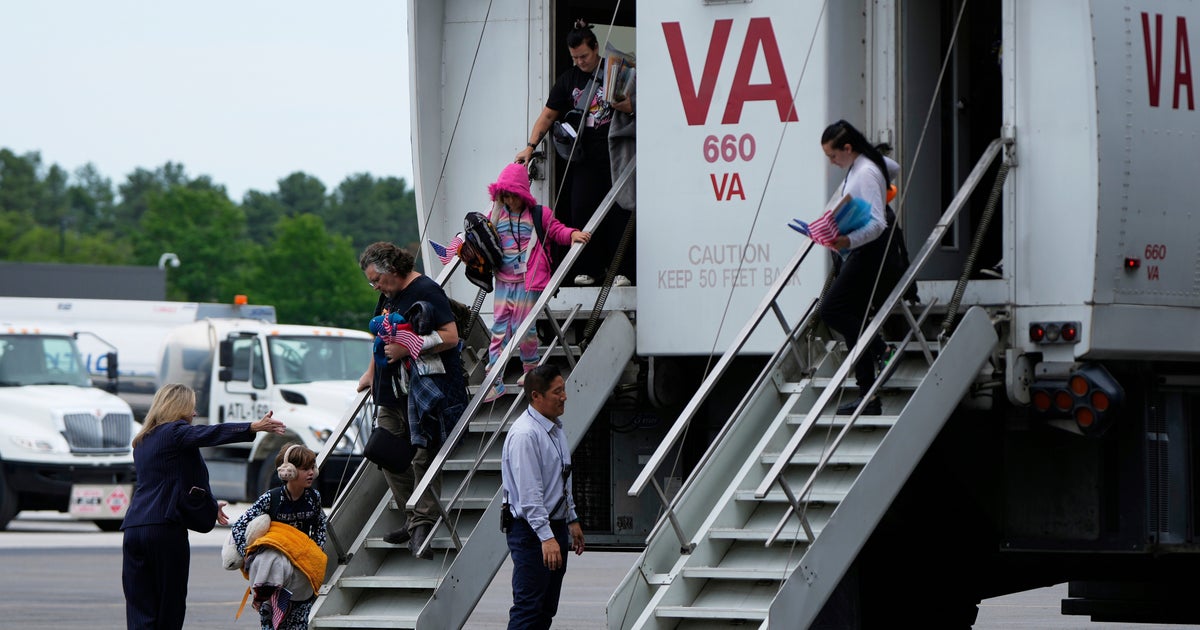
In a significant policy decision, the administration has announced plans to admit 17,500 refugees from South Africa in 2027, primarily focusing on white South African citizens. This announcement, made to Congress, signifies a shift in the administration’s approach to the refugee program, which traditionally provided opportunities for individuals fleeing conflict and persecution globally.
Details of the Announcement
According to the announcement, white South Africans, identified as Afrikaners, are facing land seizures and various forms of persecution. However, the South African government has consistently disputed claims of them being a persecuted minority. The administration’s plans indicate a broader strategy to reshape the refugee program, which has historically been a bipartisan initiative aimed at aiding numerous groups in need.
The proposed allocation signifies a changing landscape within refugee resettlement policy, as it is notably limited to a specific demographic. The administration intends to invest approximately $500 million to support the resettlement process for these individuals into the United States.
Criticism has emerged from various organizations involved in refugee resettlement. Advocates argue that the decision to focus on a single group contradicts the program’s foundational principle of providing protection for those fleeing violence and oppression, regardless of their background. Naomi Steinberg, vice president for refugee and immigration policy and advocacy at HIAS, expressed concerns over the future of the program, stating it is being distorted for political purposes and urged a return to a more inclusive approach.
Historical context is important in understanding these developments. The U.S. refugee program, initiated in 1980, has typically welcomed an average of 92,000 refugees annually. Decisions on refugee admissions are traditionally made by the President, who sets the cap for how many individuals can be approved each year, based on prevailing global humanitarian needs. Last year, the administration had set an initial cap of 7,500, which was raised to 17,500 due to alleged emergency conditions in South Africa.
The Trump administration has notably altered the refugee admission process, implementing significant cuts to the number of refugees allowed and prioritizing select groups. While the Biden administration previously aimed to admit 125,000 refugees per year, the return to power by Trump has led to a suspension of the program, followed by its reestablishment with targeted limitations.
Afrikaners, descendants of colonial settlers, are among the white minorities in South Africa and played a significant role in the country’s history, particularly during the apartheid regime. Their experience and status within South Africa remain complex and controversial, reflecting enduring racial dynamics in the nation.
As the administration moves forward with these plans, the implications for the U.S. refugee program and the broader conversation on immigration and humanitarian aid remain to be seen.
Why It Matters: This policy shift highlights ongoing debates surrounding immigration, humanitarian assistance, and the complexities of domestic and international relations, particularly in how refugee admissions are framed and implemented. As advocacy groups respond, the future direction of U.S. refugee policy may become an increasingly contentious issue in the political arena.
