




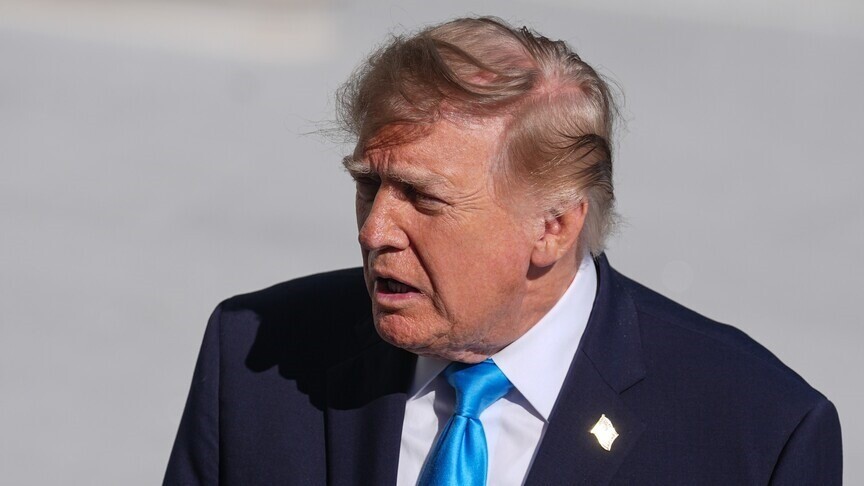
US President Donald Trump reaffirmed America’s commitment to Southeast Asia during a special summit hosted in Manila on Tuesday, emphasizing the region’s value as a significant commercial hub. Speaking at a reception for the US-ASEAN summit, Trump characterized Southeast Asia as one of the world’s most “vibrant and productive” areas, rich with potential.
“America is deeply committed to the success, sovereignty, and prosperity of our many friends and partners,” Trump said, noting the historical ties the United States has built through centuries of trade, diplomacy, and commerce in the region. “We’re with you always,” he told leaders from Southeast Asian nations.
Trump highlighted ongoing economic and defense collaboration, referencing existing trade agreements with various countries in the region. He also pointed to partnerships in critical areas such as energy, technology, and mineral resources.
In discussing the strategic importance of Southeast Asia, Trump mentioned that the Strait of Malacca is a crucial maritime passage, stating that it handles a quarter of global shipping. He underscored the region’s role as a commercial crossroads that is vital to international trade.
During the summit, Trump commended Philippine President Ferdinand Marcos Jr. for his leadership as chair of ASEAN (the Association of Southeast Asian Nations) and expressed optimism about strengthening relationships with regional allies.
Marcos, in his opening remarks, emphasized the partnership between ASEAN and the United States, stating, “We in the Philippines know this friendship well.” The Philippines has long been one of the United States’ closest military allies in the Asia-Pacific region.
Additionally, Marcos mentioned that ASEAN and the US have collaboratively adopted ten public-private partnership principles aimed at addressing online scams, along with a comprehensive work plan to tackle associated issues.
The summit reflects ongoing efforts to bolster alliances in the region as both the US and Southeast Asian nations navigate geopolitical challenges in the Indo-Pacific area.
