




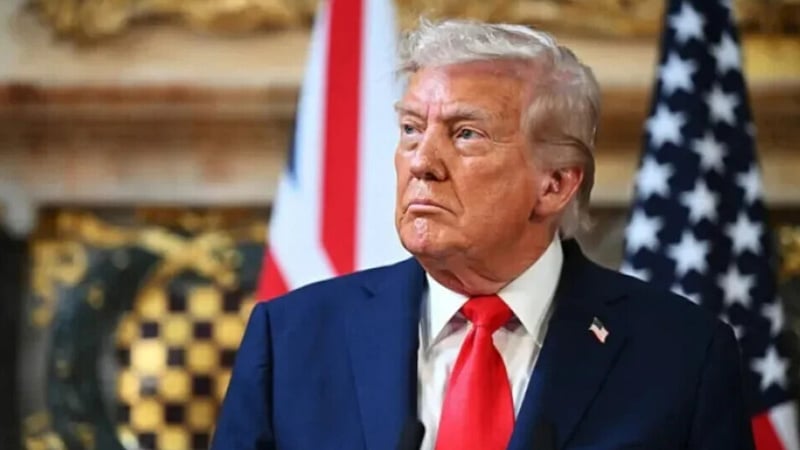
The geopolitical situation in West Asia is becoming increasingly complicated for U.S. President Donald Trump as Iran’s allies achieve notable advances throughout the region. Reports indicate that after six months of military engagement against Iran, Trump has not only struggled to establish a resolution but also witnessed critical maritime corridors effectively fall under Tehran’s influence.
Oil Prices Surge Amid Heightened Tensions
The Strait of Hormuz and the Bab el-Mandeb Strait, two essential routes for global energy transport, are reported to be significantly under Iranian control. Additionally, the East-West oil pipeline in Saudi Arabia, which was designed to avoid the Strait of Hormuz, has reportedly come under attack. This escalation has resulted in an increase in oil prices, which have surged from approximately $70 to $105 per barrel. Consequently, gasoline prices in the United States have risen from around $3 to $4.30 per gallon, creating considerable pressures on the global economy.
With U.S. ammunition stockpiles reportedly declining, and the constant threat of attacks on American bases in the region remaining, Washington is said to be shifting its strategy from military intervention to an economic pressure campaign targeting Iran. However, despite these changes in approach, Tehran continues to maintain substantial influence, bolstered by the recent achievements of its regional allies.
This evolving situation raises concerns about the broader implications for U.S. foreign policy and stability in West Asia. It emphasizes the complexities that arise from military confrontations and the substantial repercussions on international oil markets.
Why It Matters
The developments in West Asia carry significant implications for global energy security and U.S. economic stability. The rising oil and gasoline prices threaten to compound existing economic challenges, while the shifting military and strategic focus of the U.S. may redefine its role in the region. Understanding these dynamics is critical for policymakers and stakeholders as they navigate the intricate interplay of regional politics and economics.
