




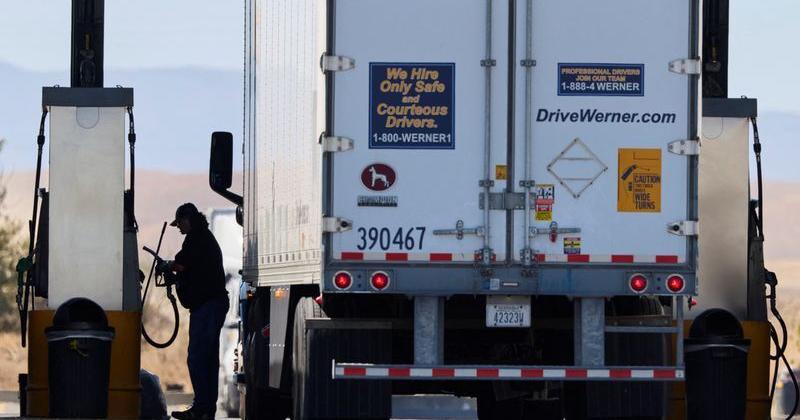
As the November midterm elections approach, President Donald Trump is intensifying efforts to address the rising costs of diesel fuel. Despite various initiatives aimed at alleviating these prices, they continue to escalate, posing a challenge for Republicans attempting to maintain their congressional majorities. Diesel prices reached an average of $6.28 per gallon last week, marking a nearly 10-cent increase and highlighting the persistent struggles with fuel affordability.
In an attempt to ease the financial burden on voters and key constituencies, the Trump administration has proposed significant financial support to farmers, relaxed regulations for truckers, eased sanctions on Russian fuel, and urged European allies to tap into emergency oil reserves. However, prices have remained stubbornly high, with nearly 80% of Americans in an October Reuters/Ipsos poll attributing the increases to Trump’s policies.
Diesel fuel has emerged as a critical issue in the lead-up to the midterms, particularly in agricultural states like Iowa and Kansas. The escalating prices have been linked to rising costs in delivery, food production, and other sectors essential to the economy. Farmers and freight operators, facing increased expenses from fuel and fertilizer, are voicing their frustrations, which could impact Trump’s support among his base.
During campaign rallies across the Midwest, Trump has actively promoted his administration’s efforts to reduce diesel costs. A recent executive order signed by Trump allows red-dyed diesel—typically reserved for off-road use—to be utilized in highway vehicles. He also announced $8 billion in new aid for farmers during a rally in Kansas on Monday. However, political analysts express skepticism regarding the effectiveness of these measures, questioning whether short-term fixes can deliver meaningful relief.
While the Trump administration argues that high diesel prices stem from pre-existing issues, including refinery closures and the ongoing war in Ukraine, these factors complicate the administration’s efforts. White House spokeswoman Taylor Rogers stated that the president wants diesel prices to decline and is making significant efforts to support farmers and truckers. However, concerns remain about how these actions will impact federal spending.
The USDA anticipates that government payments to farmers will exceed $55 billion this year, in part due to past pandemic assistance and ongoing inflation. Nevertheless, these payments may not sufficiently address the underlying market disturbances contributing to rising costs. National Farmers Union President Rob Larew criticized the lack of long-term solutions to ensure farmers’ stability in light of market challenges linked to trade policies and international conflicts.
Trump’s decision to ease sanctions on Russian diesel to facilitate negotiations with President Vladimir Putin has garnered bipartisan criticism and raises questions about its effectiveness in stabilizing fuel prices. As the administration’s strategies struggle to deliver the desired outcomes ahead of the midterms, analysts are closely watching how these developments will affect voter sentiment going into Election Day. The newly announced aid for farmers is expected to be distributed after the elections, with funds likely reaching recipients by year-end.
