




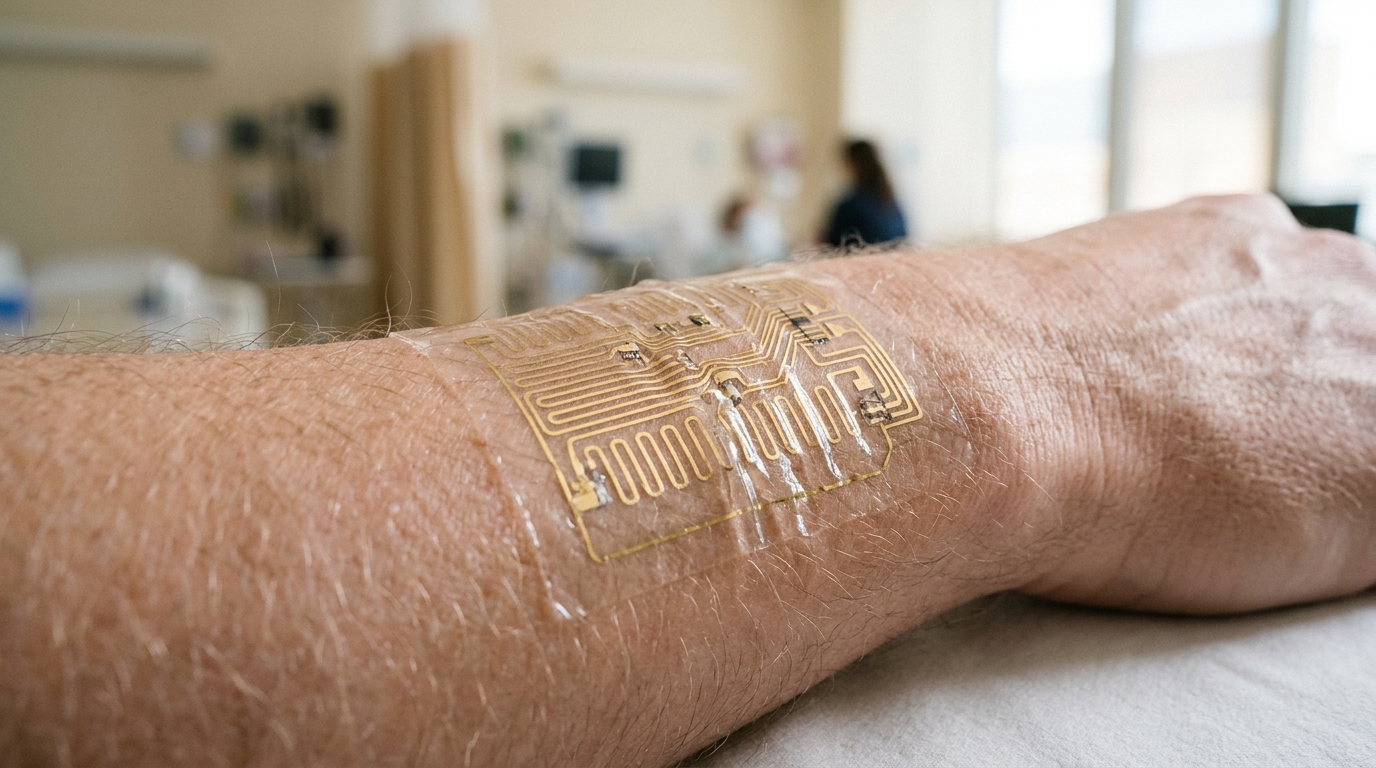
The UK government is investing over £52 million through UK Research and Innovation (UKRI) to support five new research hubs focused on developing health technologies designed to help individuals manage their health better. This funding aims to transition patient care from acute hospital settings to local communities and to reduce the operational strain on the National Health Service (NHS).
This initiative builds upon prior successes of healthcare hubs that have achieved significant advancements in medical technology. Previous projects have included milestones such as the world’s first AI-assisted brain tumor surgery and innovative spacesuits equipped with artificial muscles for lunar exploration.
In addition to the government funding, external partners are contributing £37.5 million in cash and in-kind resources. The national hubs are located in Exeter, London, Southampton, and Sunderland and will collaborate with a diverse network of experts from engineering, physical sciences, and healthcare across the UK. Notable partners include the NHS, Alzheimer’s Society, and multinational corporations like Google and Siemens.
Professor Charlotte Deane, Executive Chair of the Engineering and Physical Sciences Research Council at UKRI, expressed that these hubs will enhance the quality of life for patients across the UK. She emphasized that the new projects aim to translate engineering and physical sciences research into practical healthcare solutions.
One of the key projects is the AI and Emerging Technologies for Next Generation Brain Health Clinics hub, or BRAINIAC, led by Professor David Llewellyn at the University of Exeter. This project received £10,884,081.51 from UKRI and aims to establish the first network of NHS brain health clinics across ten sites. The focus will be on integrating AI algorithms with memory testing, blood analysis, and neuroimaging to better assess brain health and potentially reduce dementia risk.
Another initiative, the Brain Research for Adaptive Traumatic Injury hub (BRAIN-SAFE), directed by Professor David Sharp at Imperial College London, aims to develop tools to better assess traumatic brain injuries in sports. Funded by £10,876,447.51 from UKRI, the project will work with organizations such as the Royal Air Force and World Rugby to create predictive models for brain injury risks.
Also focusing on cardiovascular health, the EPSRC HeartTech Hub, led by Professor Sebastien Ourselin at King’s College London, received £10,865,643.00 in funding. This hub intends to leverage data from wearable devices and medical imaging to identify cardiovascular risks earlier and deliver focused preventive care.
The Community Respiratory Infection Screening and Prognostics hub (CRISP), led by Associate Professor Alexander Edwards at the University of Southampton, aims to address winter pressures on health services. With £10,892,590.34 in funding, CRISP is developing wearable sensors and smartphone applications to improve patient self-assessment of respiratory infections.
Lastly, the Northern Ophthalmic Research and Innovation hub (NORI), directed by Professor Matthew Campbell at the University of Sunderland, received £9,154,951.71 from UKRI. This project aims to utilize AI to analyze eye scans for early signs of systemic diseases, assisting in early detection of conditions such as diabetes and cardiovascular issues in disadvantaged regions.
