




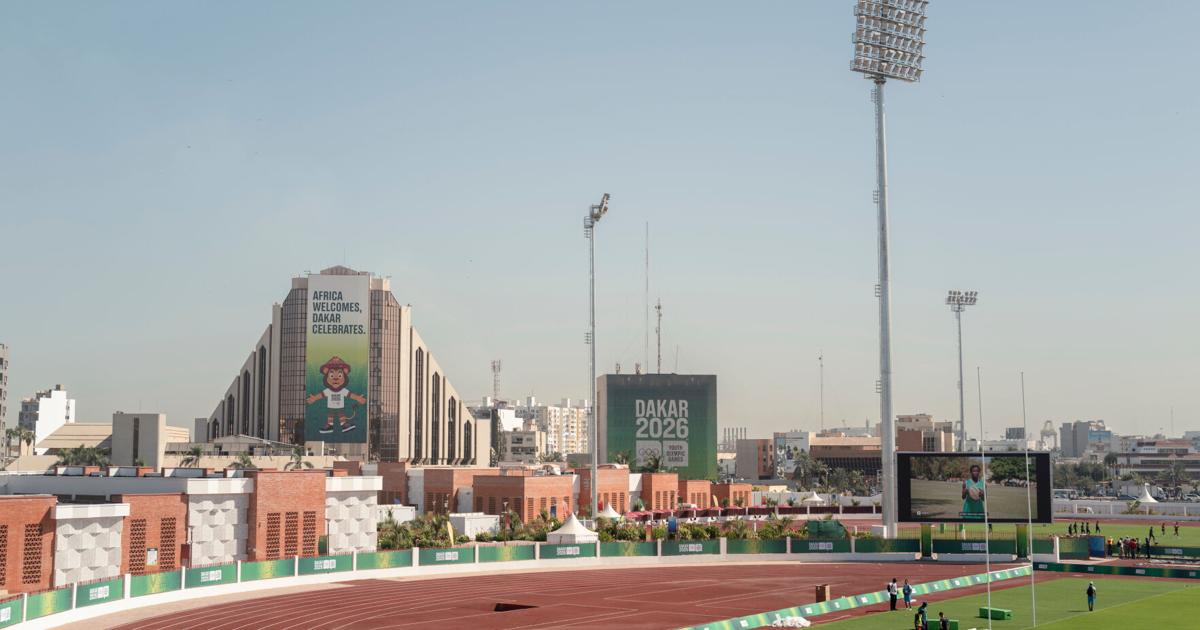
DIAMNIADIO, Senegal — The Youth Olympic Games officially began on Saturday in Senegal, marking the first Olympic event on the African continent. The opening ceremony took place at the Diamniadio Olympic Stadium, situated near the capital city of Dakar, attracting tens of thousands of enthusiastic spectators.
The ceremony featured an array of performers, including hundreds of drummers and dancers who showcased Senegalese and African culture. In line with the Games’ motto, “Africa welcomes, Dakar celebrates,” the festivities included a performance that created a giant map of Africa, with dancers in traditional Senegalese attire. The event also featured West African oral storytelling and a concert by Senegalese artist Obree Daman, alongside athletes parading in front of the crowd.
Senegal’s President Bassirou Diomaye Faye declared the Games open, emphasizing the significance of the event for the nation. Aby Diouf, a 25-year-old spectator, expressed her excitement, saying, “This is a historic event and it was so important for me to be here. It’s a marvelous celebration and we are all here to bring the energy and get people hyped.”
Approximately 2,700 athletes aged 14 to 17 will compete in various sports until November 13, throughout Dakar, Diamniadio, and the beach resort town of Saly. The event is set to include 153 medal events across 25 sports.
Notably, a delegation of 13 Russian athletes is participating under their national flag for the first time at an Olympic event since Russia’s suspension following the invasion of Ukraine in 2022. Additionally, the first refugee team at a Youth Olympics is fielding six athletes based in Kenya and Uganda, competing in track and field, judo, and taekwondo.
International Olympic Committee (IOC) President Kirsty Coventry highlighted the importance of the occasion, stating, “This is a historic moment for Senegal, for Africa, and for our entire Olympic family.” Coventry, a former Olympic gold medalist from Zimbabwe, became the first female and African head of the IOC last year.
This event aligns with a growing trend where African countries leverage sports for diplomatic and developmental purposes. South Africa hosted the continent’s inaugural FIFA World Cup in 2010, and Morocco is set to co-host the 2030 tournament with Spain and Portugal. Recent years have also seen major sporting events, such as Africa’s first road cycling world championships held in Rwanda and Botswana’s hosting of the World Athletics Relays earlier this year.
