




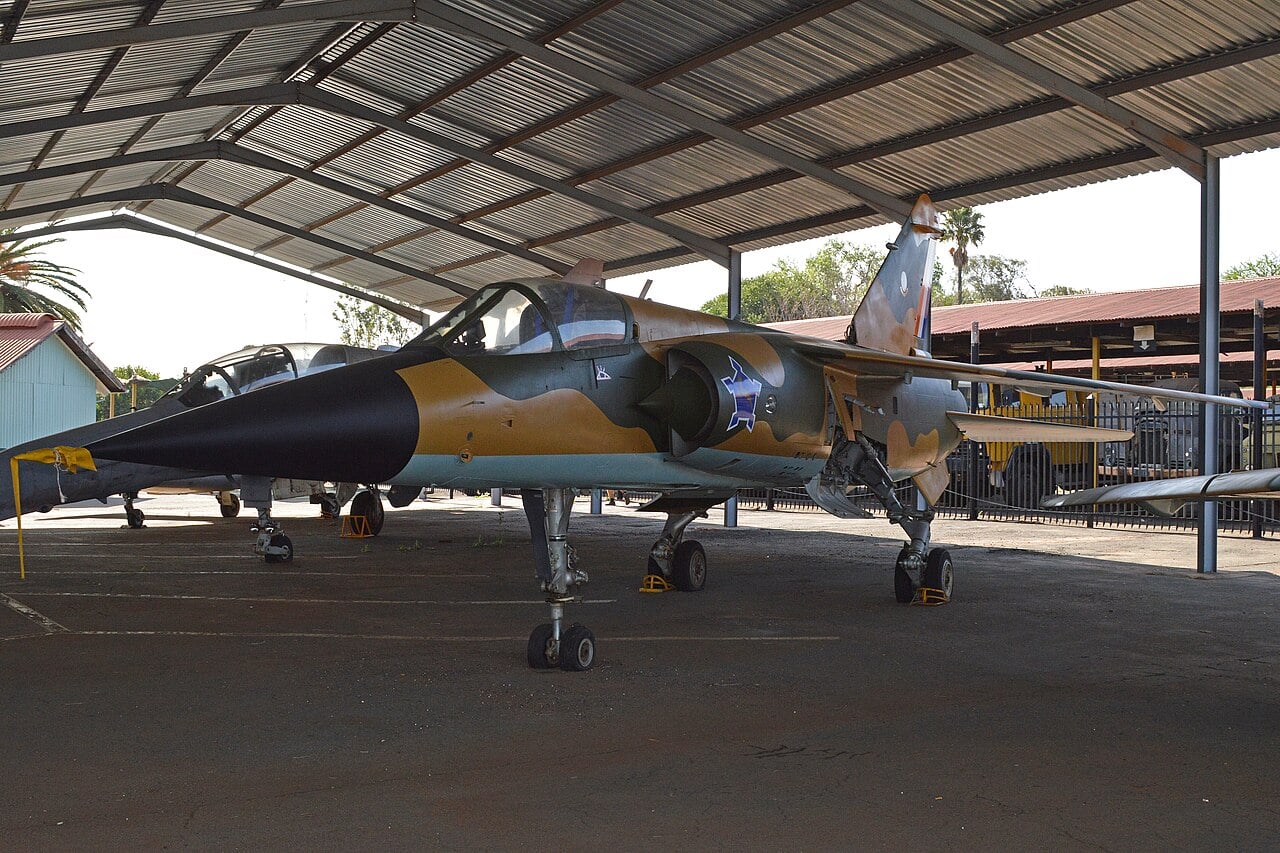
South Africa’s aviation industry made significant strides in the 1980s when it developed the Atlas Cheetah, a supersonic fighter aircraft derived from the Dassault Mirage III. This initiative was largely born out of necessity due to the United Nations’ arms embargo imposed on South Africa in 1977, which made international purchases of military equipment increasingly difficult.
Background on the Atlas Cheetah’s Development
Following the implementation of the mandatory arms embargo on November 4, 1977, South Africa found itself unable to procure new military aircraft, leading to the decision to adapt existing ones. The Atlas Aircraft Corporation initiated the project, known as Project Cushion, to upgrade the Mirage III airframes. The first Mirage IIID2Z was converted in April 1983, with the aircraft making its maiden flight in May 1985. Public unveiling of the Cheetah D variant occurred on July 16, 1986.
The Atlas Cheetah featured substantial modifications, including a refurbished airframe, an enhanced wing leading edge for improved low-speed handling, and the addition of canards for better maneuverability. The aircraft also adopted advanced avionics and radar systems, integrating significant Israeli technology into its design, although the extent of this collaboration remains unconfirmed.
Despite its modernization, the Cheetah was ultimately designed to counter threats faced during conflicts in neighboring countries, primarily Angola. Over the course of its development, however, it did not see combat. Instead, the South African Air Force (SAAF) engaged in air operations during the Border War using earlier variants of the Mirage, and by the time the Cheetah entered service, the conflict had subsided.
Despite the SAAF claiming that a significant portion of each Cheetah airframe was replaced, the verification of these claims has been problematic. The Cheetah C, which arrived later in 1993, incorporated further upgrades and enhancements, but no Cheetahs are documented to have flown offensive combat sorties during their operational tenure.
Retirement and Legacy
The Atlas Cheetah was retired from active service by 2008 as the South African Air Force transitioned to newer aircraft, specifically the Saab Gripen. Subsequently, several Cheetah units were sold to other countries, including Ecuador and Chile, though they faced operational challenges. Ecuador operated a small fleet until 2024, when spares shortages grounded the aircraft.
In the context of its inception during a time of military isolation and subsequent development challenges, the Atlas Cheetah serves as a notable example of innovation under constrained conditions. The aircraft’s legacy is marked not only by its intended role in defense but also by its story of adaptation and resilience in South Africa’s military aviation history.
Why It Matters
The Atlas Cheetah exemplifies how geopolitical pressures, such as international sanctions, can drive technological innovation and military self-sufficiency. Its development highlights the complexities of military cooperation, technology transfer, and the challenges of post-conflict operational readiness.
