




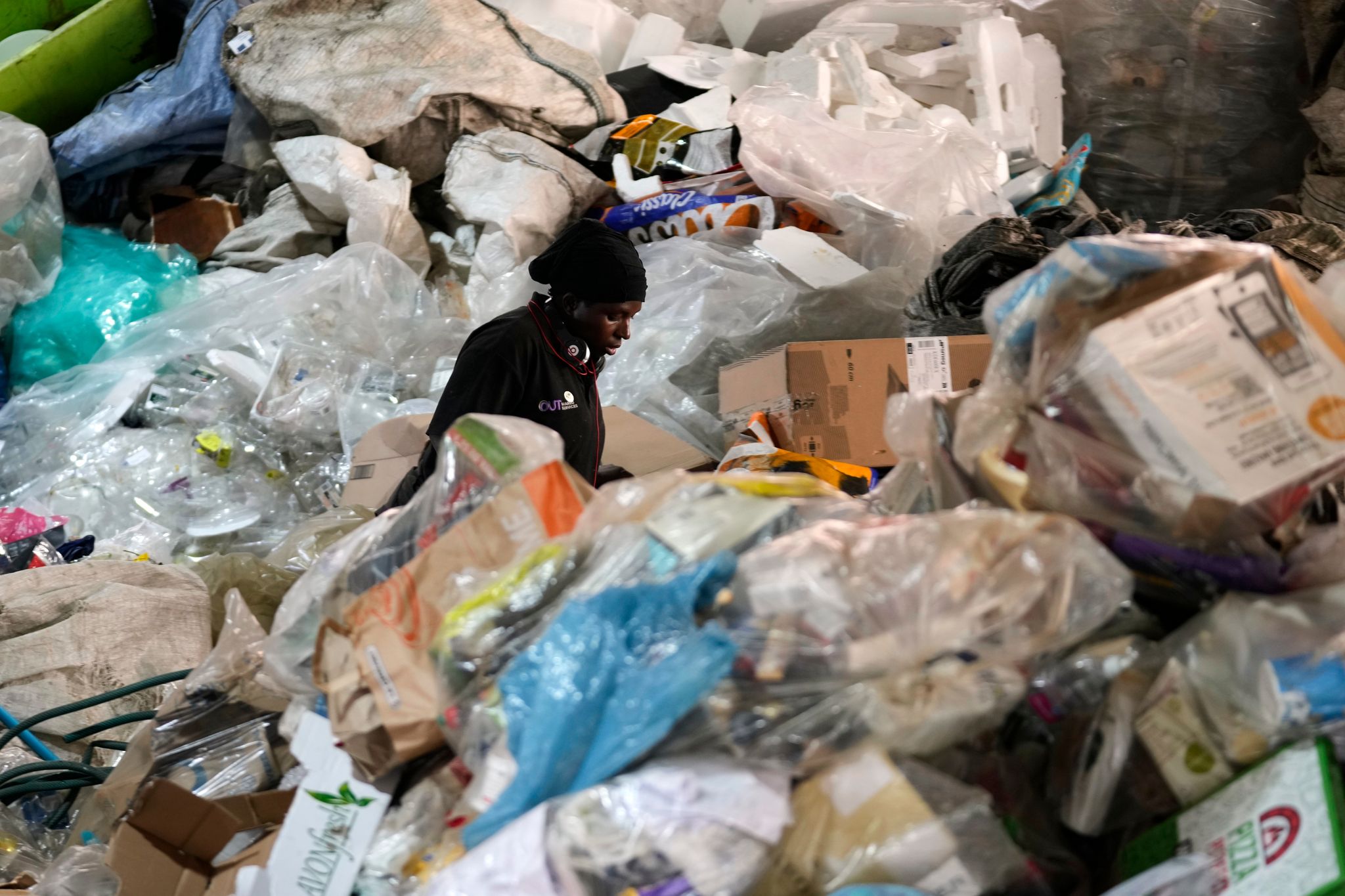
JOHANNESBURG — A severe waste management crisis is becoming increasingly visible across major cities in Africa, including Johannesburg, where illegal dumping and inadequate waste disposal have reached critical levels. Rapid urban population growth, with estimates projecting Africa’s urban population to double to 1.4 billion by 2050, is outpacing the continent’s ability to manage waste effectively.
Challenges of Urban Waste Management
In the Kya Sands area of Johannesburg, a significant illegal dumping site has formed after the official municipal landfill closed in 2010. Local councilor Devon Steenkamp noted dramatic increases in waste accumulation, stating, “When I started as a ward councilor in 2021, this mountain was very small.” The situation reflects broader challenges faced by other rapidly urbanizing cities such as Lagos, Dakar, and Accra, where waste generation soon exceeds municipal capabilities to collect and process it.
Statistics from the United Nations Environment Program reveal that over 90% of waste produced in Africa ends up in uncontrolled dumpsites, often leading to open burning practices. Projections from the World Bank indicate that waste generation in sub-Saharan Africa is set to grow by 124% by 2050, highlighting an urgent need for improved waste management strategies.
In Alexandra township, residents face dire conditions as goats are seen scavenging through trash, while children play nearby amidst heaps of refuse. Local elder Linda Makole expressed worry over the health impacts on children, noting the frequently uncollected waste. Pikitup, Johannesburg’s waste management company, has identified over 2,000 illegal dumping hotspots and allocated 115 million rand (approximately $6.4 million) for waste management efforts in the 2025/26 fiscal year.
Despite these measures, disruptions in garbage collection are common. Residents report waiting weeks for their garbage to be picked up, prompting reliance on informal waste collectors, which exacerbates the illegal dumping problem. Carmen Jordaan, a recycling operator, explained that many resort to informal disposal methods due to the high costs associated with legal waste disposal.
Illegal dumping sites raise significant environmental concerns, causing soil and water contamination as trash is often burned. Pollutants released during these fires pose health risks to local communities, leading to poor air quality as articulated by a local resident who noted the drastic decline in the viability of nearby agriculture due to pollution.
Experts warn that the current waste management situation is approaching a tipping point. Dr. Suzan Oelofse, a prominent scientist, highlighted the lack of investment in new waste management infrastructure and the reliance on aging facilities. South Africa’s draft National Waste Management Strategy cautions that landfill space is depleting rapidly, with estimates showing that Johannesburg’s remaining landfills could exhaust their capacities within a year.
Efforts Toward Sustainable Solutions
Oelofse has indicated that over 80% of Johannesburg’s waste could potentially be diverted from landfills if better separation practices were implemented. Pikitup is actively working on expanding recycling operations and improving engagement with informal waste pickers. Expanding community buy-back centers and improving access to recycling bins are also critical components of these efforts.
Taking a holistic approach to waste management reform in Johannesburg is essential, as it intersects with public health, environmental protection, and urban development concerns. Addressing the systemic issues surrounding waste disposal will be vital in enhancing living conditions for citizens across the continent.
Why It Matters
The urban waste crisis in Africa highlights urgent needs for enhanced waste management strategies amidst rapid city growth. By tackling this issue, cities can foster healthier living environments, safeguard public health, and contribute to sustainable urban development.
