




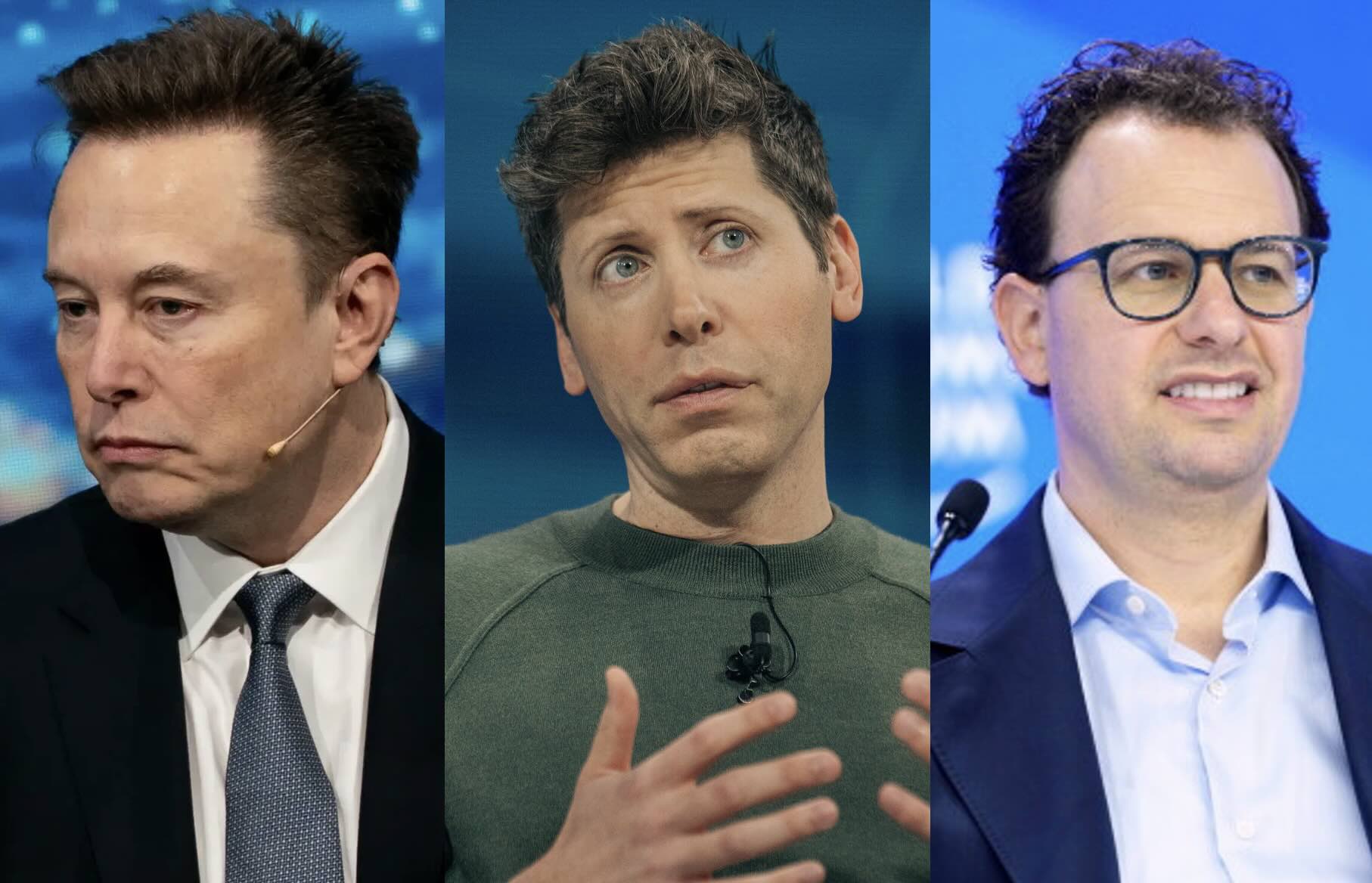
AI industry leaders have begun to emphasize the need for tighter regulations on artificial intelligence technology, marking a shift in discourse among top executives. Major figures such as Sam Altman, CEO of OpenAI, Dario Amodei of Anthropic, Demis Hassabis of Google DeepMind, Satya Nadella of Microsoft, and Elon Musk of xAI have publicly expressed their concerns regarding the rapid advancements in AI technology and the need for established oversight.
Calls for Regulation: Diverging Views Among Executives
During mid-September, these executives conveyed similar sentiments, declaring that AI’s escalating power necessitates comprehensive regulatory frameworks. Amodei articulated this urgency, cautioning that legislative actions could lag for years while AI evolves from being a mere novelty to a formidable force in society. Altman has consistently advocated for urgent regulatory measures since early 2023, proposing the establishment of an international regulatory body akin to the International Atomic Energy Agency.
However, discussions surrounding specific regulatory approaches reveal significant disparities among these leaders. OpenAI advocates for a singular federal law to replace the varying state regulations, whereas Anthropic prefers state-level regulations unless robust federal guidelines are established. In contrast, Google proposes a dual-track system involving an independent body that oversees safety standards.
Financially, the AI sector portrays a more complex picture. Lobbying in Washington, D.C., has surged, with over 850 companies engaging in AI-related advocacy, marking a rise from under 250 in 2023. Projected total industry spending on lobbying may surpass $900 million by 2026, primarily aimed at influencing and opposing state-level regulations that could arise from federal inaction.
Notably, an AI-focused political action committee in New York has been implicated in efforts to undermine a state bill mandating large AI companies to disclose their safety protocols. Following these lobbying efforts, the New York Governor moved to dilute the proposed legislation, coinciding with an executive order from President Trump aimed at dismantling similar state laws.
While calling for regulations, federal actions indicate a challenge to state rules. President Trump initiated an AI Litigation Task Force to contest state-level regulations, asserting constitutional grounds. Furthermore, at a recent G20 meeting, the United States encouraged other nations to ease AI regulatory measures, standing in stark contrast to the European Union, which has adopted more stringent AI regulations.
The United Nations is also seeking to fill the regulatory void, pursuing a global framework that could establish unified guidelines on AI development and use. UN Secretary-General Antonio Guterres emphasized the necessity of international dialogue among nations with advanced AI capabilities to create standardized regulations aimed at preventing potential risks associated with AI technologies.
Why It Matters
The discourse surrounding AI regulation underscores a crucial intersection between technological advancement and governance. As industry leaders push for regulations, the underlying motivations and potential conflicts of interest may shape the future of AI oversight significantly. With substantial financial resources at stake, how these regulations are formulated could have lasting implications for both the AI industry and society at large.
