




Rwanda Revenue Chief Advocates for Better Tax Compliance to Boost Revenue in Africa
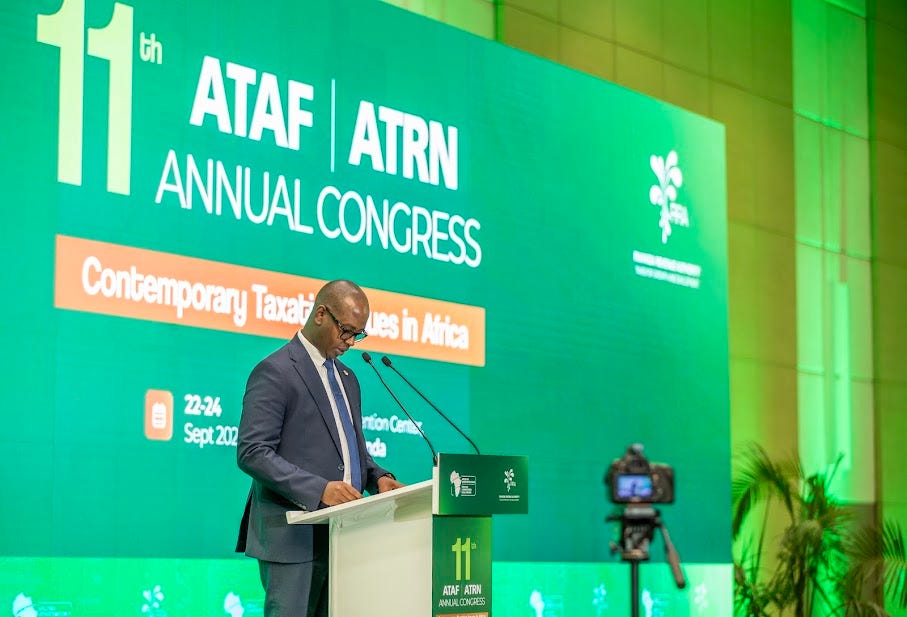
KIGALI, Rwanda — Ronald Niwenshuti, Commissioner General of the Rwanda Revenue Authority (RRA), emphasized the importance of enhancing tax compliance, utilizing data, and fostering taxpayer trust to improve domestic revenue in African countries. His remarks were made during the opening of the 11th African Tax Administration Forum and African Tax Research Network Annual Congress held in Kigali.
Focus on Compliance and Innovation
The three-day congress, themed “Contemporary Taxation Issues in Africa,” convened tax officials, scholars, and development partners to address various challenges and opportunities within African taxation systems. Niwenshuti highlighted that Rwanda’s recent revenue performance illustrates the advantages of a compliance-driven approach, citing a 104.2 percent achievement of revenue targets in the fiscal year ending in June, representing a 27.7 percent growth from the previous year.
He attributed this increase to various factors, including economic growth, enhanced value-added tax collection, and the implementation of stronger tax recovery measures and policies aimed at improving compliance. Niwenshuti stated that increasing revenue is not merely about introducing new levies but rather understanding compliance risks and using data to deploy enforcement resources effectively.
Niwenshuti pointed to the RRA’s electronic billing system as a significant tool for gaining visibility into economic activity, which aids in identifying sectors with strong compliance alongside those that require attention. Furthermore, he announced a showcase of their Tax Tech Incubator Programme during the congress, designed to develop scalable technological solutions for tax administrations based on skills acquired from their internal Tax Tech Academy.
He stressed the need for collaborative innovation within the continent, asserting that shared knowledge among tax administrations would benefit all involved. Niwenshuti also connected the urgency for increased domestic revenue mobilization to a changing landscape of development finance, which sees a decline in official development assistance. He noted that strengthening domestic revenue systems is becoming more critical under these circumstances.
Niwenshuti asserted that the challenge lies not in creating new taxes but in effectively collecting existing obligations. He further underscored the significance of taxpayer trust, indicating that sustained revenue growth is achievable only through fairness and transparency in the tax system. He encouraged researchers at the congress to explore the dynamics of taxpayer trust in conjunction with technical reforms, as this relationship can illuminate variations in tax performance among African nations.
The congress represents an opportunity for African institutions to gather evidence that could lead to improved financial policies and enhanced domestic resource mobilization, a pressing concern for countries encountering tighter external financing conditions.
Why It Matters
As African nations seek to grow their economies and reduce dependency on external help, discussions around tax administration and compliance are vital. Insights gained from forums such as the ATAF/ATRN Annual Congress can potentially lead to tailored fiscal strategies that optimize revenue generation, ultimately supporting sustainable development across the continent.
