




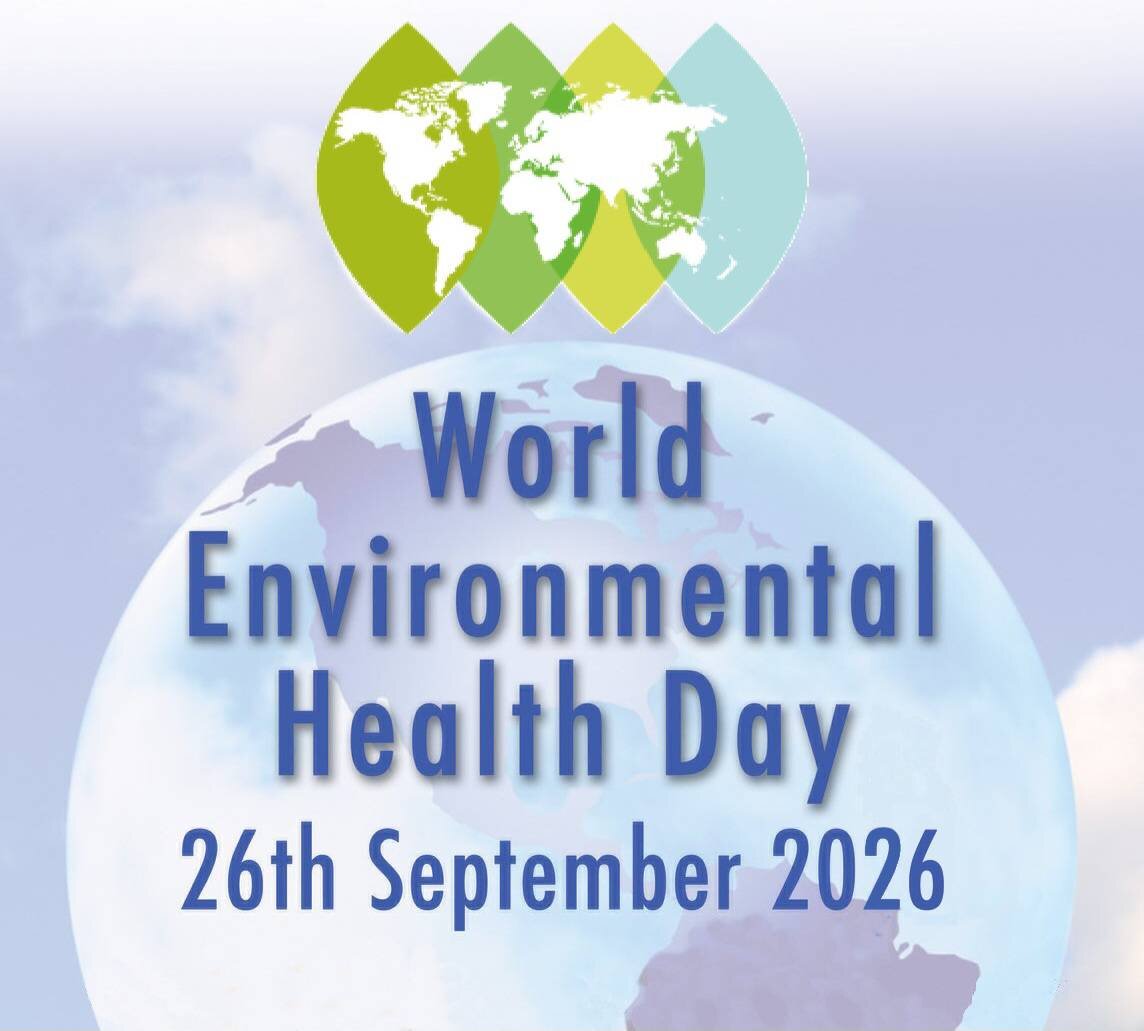
TEHRAN – The importance of a science-based approach to environmental health was emphasized by Health Minister Mohammad-Reza Zafarqandi during remarks made in recognition of World Environmental Health Day observed on September 26. Zafarqandi highlighted that addressing challenges in environmental health is essential not only for public health but also for the nation’s future, and such efforts require evidence-based decision-making and enhanced cooperation across sectors.
Call for Intersectoral Collaboration
According to Zafarqandi, the safety of water and food, waste and air quality management, and the overall hygiene of public spaces are critical components of developing healthy and sustainable communities. He noted that numerous challenges, including air pollution, water scarcity, climate change impacts, and rapid urbanization, pose significant risks to the environment and public health.
The Health Ministry is actively working with environmental health specialists to establish improved monitoring systems, enhance water and food safety, and implement preventive measures for health hazards. Zafarqandi pointed out the necessity of public education and health literacy in fostering informed community participation and collaboration with municipalities, industries, scientific institutions, media, and non-governmental organizations.
This year’s theme for World Environmental Health Day, ‘Standing with Science to Protect Communities,’ aligns with the World Health Organization’s focus on science-based decision-making. It underscores the role of environmental health professionals in transforming scientific research into actionable policies for community protection. Key messages from the day include the premise that effective environmental health practice is grounded in evidence and that professionals serve as essential links between science and its application in public health.
In conjunction with these efforts, the Health Ministry is also developing a national strategy document on health and climate change. The objective of this document, which is currently undergoing revisions by experts from medical universities, is to create a climate-resilient health system capable of reducing the adverse impacts of climate change on public health.
The document outlines five primary goals, 24 strategic initiatives, and 106 action plans designed to foster coordinated responses from various sectors. It aims to enhance public health protection and resilience against climate-related challenges and will be presented to the supreme council for health and food security for approval.
Overall, the call for a coordinated approach underscores the significance of leveraging scientific knowledge and intersectoral collaboration to advance environmental health initiatives and ultimately safeguard public well-being.
Why It Matters – As environmental challenges increasingly complicate public health, establishing a robust system based on scientific research is imperative. Collaborative strategies can help address pressing issues, fostering healthier, safer communities while preparing for the impacts of climate change.
