




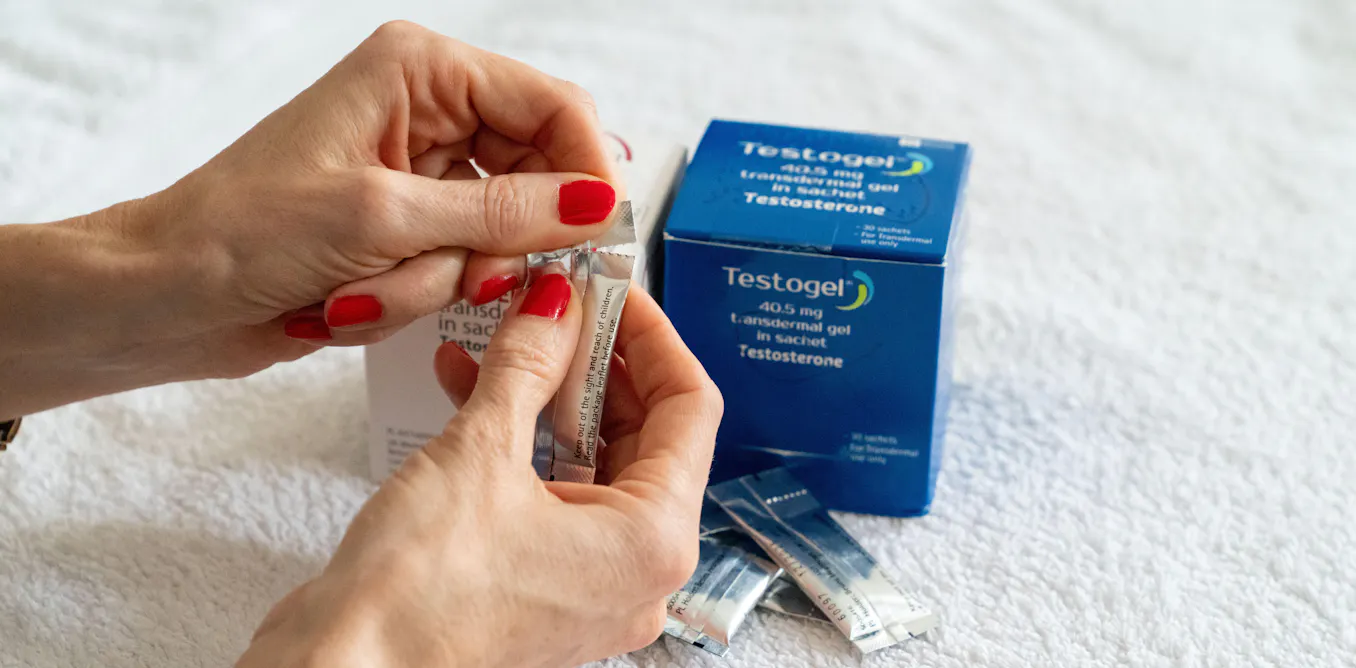
Interest in testosterone therapy among women is increasing, particularly for managing menopause symptoms. Reports indicate that some women are resorting to impersonating men to obtain testosterone gel due to the limited availability of female-specific testosterone products. This raises questions about the motivations behind this trend and the associated risks.
Understanding Testosterone in Women
Often regarded as the primary male hormone, testosterone is also produced by women, albeit in lower concentrations. Women synthesize testosterone in their ovaries and adrenal glands, and it serves essential functions in various bodily processes, including the synthesis of estrogen. Although testosterone levels in women are about ten to fifteen times lower than in men, it remains biologically active and affects multiple systems including bones, muscles, and the cardiovascular system.
Testosterone levels in women gradually decline throughout the reproductive years, starting before menopause, but do not drop sharply at menopause as estrogen does. This slow decline complicates the assessment of testosterone levels, as routine blood tests can struggle to provide accurate readings. The consequence is that understanding the natural range of testosterone in women is challenging.
The growing interest in testosterone therapy appears linked to its known effects on sexual desire, especially concerning hypoactive sexual desire disorder (HSDD). A 2019 meta-analysis indicated that regulated testosterone treatment could enhance sexual desire and satisfaction among certain postmenopausal women. International clinical guidelines have recognized testosterone therapy as beneficial specifically for HSDD.
Furthermore, some patients using testosterone alongside standard hormone replacement therapy (HRT) report improvements in mood and cognitive functions. While a recent study involving women at a menopause clinic suggested these benefits, such outcomes do not definitively establish causation, and larger-scale clinical trials are necessary.
While testosterone’s implications for sexual health are supported by evidence, the research remains limited regarding its broader effects on women’s overall health. The lack of approved testosterone products specifically designed for women is notable, as the market has focused more on estrogen and progesterone, leading to growing concerns among healthcare providers about access to treatment.
Internationally, there are calls for dedicated testosterone treatments for women. The US FDA has recognized the need for further investigation into testosterone’s implications for menopausal women, recently hosting a public workshop on this topic. In contrast, Australia is ahead in this arena with the launch of Androfeme, a testosterone cream designed specifically for women.
The demand for testosterone treatment continues to rise, as evidenced by the tenfold increase in NHS prescriptions for women in England between 2015 and 2022. The need for properly licensed female-specific testosterone products is urgent, not only to ensure equitable access but also to facilitate thorough scientific research.
Why It Matters
The escalating interest in testosterone therapy for women reflects broader shifts in healthcare needs, yet it underscores the necessity for more comprehensive research into its applications and long-term safety. By addressing these gaps, healthcare providers can better serve women seeking relief from menopausal symptoms.
