




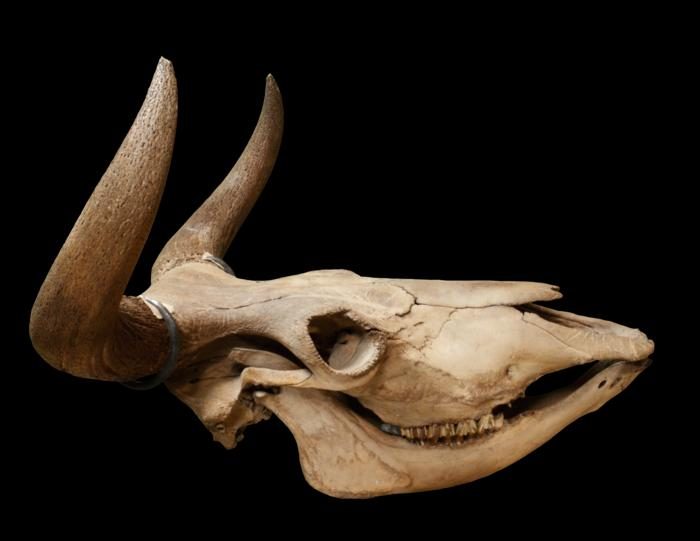
A recent study has shed light on the extinction of the aurochs, a prehistoric cow species that once roamed much of Europe, Asia, and northern Africa. Aurochs became extinct in the 17th century, with the last confirmed individual dying in Poland. However, their disappearance in Scandinavia occurred much earlier, and researchers suggest that a combination of factors contributed to this decline. The findings were published in the journal The Holocene by an international team led by Lund University in Sweden.
The aurochs, scientifically known as Bos primigenius, were notable for their size, standing taller than most humans and weighing over a ton. Though the global extinction of aurochs was largely attributed to human activity, the specific reasons for their earlier extinction in Scandinavia had not been well understood.
To investigate this phenomenon, researchers analyzed ancient aurochs bones collected from bogs and archaeological sites in southern Sweden and Denmark. They tracked the number of specimens found during different periods and cross-referenced this data with paleoenvironmental and archaeological records.
The Migration
At the end of the last Ice Age, around 11,700 years ago, aurochs migrated northward from their habitats in peninsular Europe, accessing Scandinavia via a land corridor formed by lower sea levels and postglacial rebound. This migration resulted in a significant population decline, a phenomenon known as a population bottleneck, leading to reduced genetic diversity among Scandinavian aurochs.
Mikkel-Holger S. Sinding, an associate professor at the University of Copenhagen and senior author of the study, noted, “I found it incredibly interesting to see how the genetic diversity of the aurochs decreased as you moved north from mainland Europe up through Jutland and then dropped further across Zealand and Scania. It’s a textbook example of a bottleneck in evolutionary genetics.”
It was previously believed that the Scandinavian aurochs were isolated around 10,000 years ago due to the formation of a river and lake system across present-day Denmark. However, genetic evidence indicates that they remained in contact with the main European population for another 2,000 years, until the flooding of the land bridge that connected Scandinavia to mainland Europe led to their complete isolation.
Multiple Factors
The study also revealed a period of increased human hunting that coincided with the flooding event. Despite a decline in population, bones of aurochs continued to appear in Scandinavian archaeological sites, likely because Mesolithic groups were transporting carcasses from hunting areas.
This contributed to the total extinction of aurochs on Zealand by around 8,500 years ago, while in southern Sweden, they survived, though in low numbers, until at least 6,500 years ago. This persistence was likely undermined as open landscapes transitioned to dense forests.
The researchers concluded that the demise of Scandinavian aurochs was multifactorial. “Our results add nuance to our understanding of human impact on animal populations,” said Erika Rosengren, a doctoral student at Lund University and the study’s lead author. She emphasized that conservation efforts should consider multiple stressors to be effective and suggested the establishment of ecological corridors for threatened wildlife instead of relying solely on isolated reserves.
The complete findings of this research can be accessed in The Holocene.
