




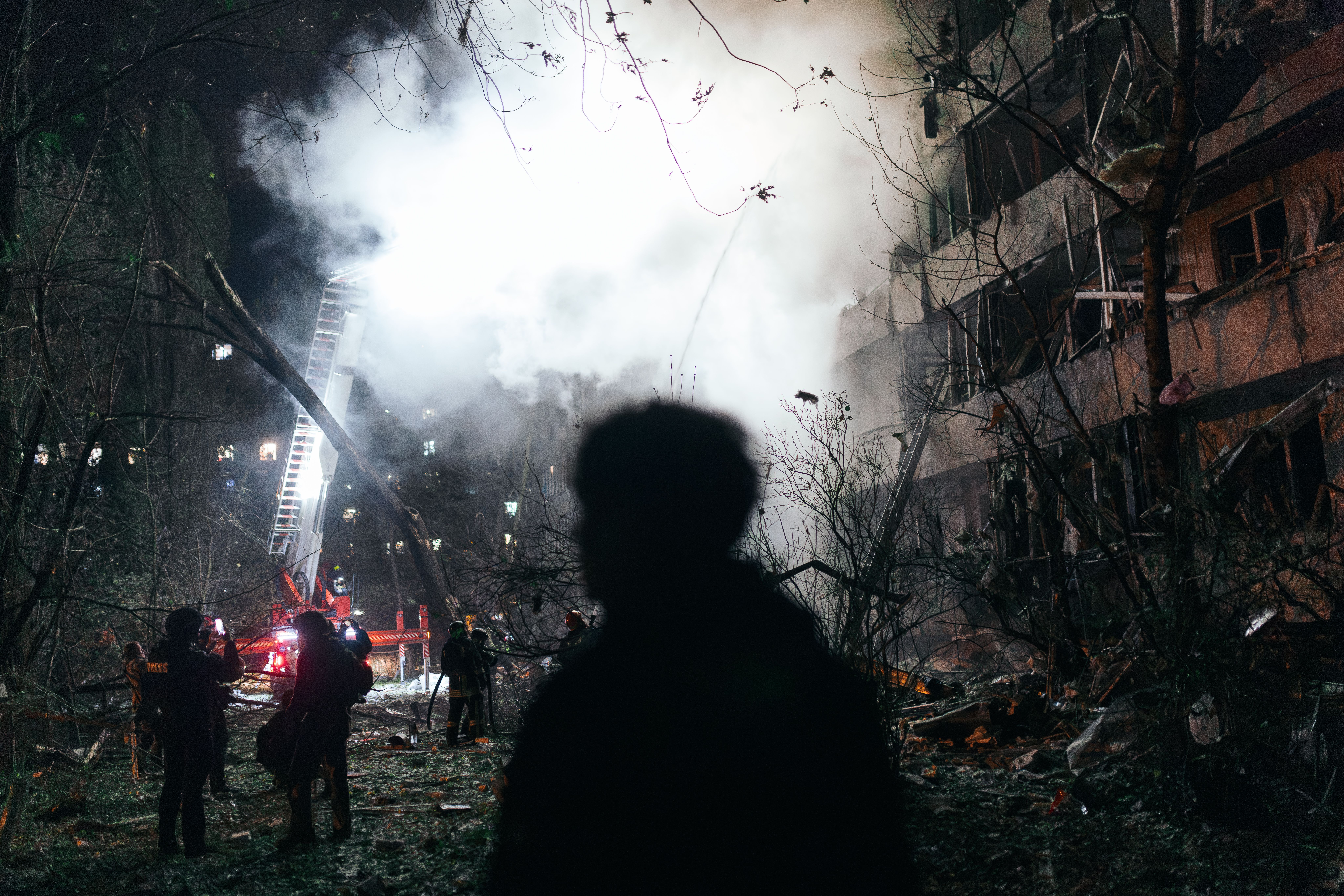
A delegation of politicians and civil society leaders from Malawi, South Africa, Angola, Namibia, and Zimbabwe recently completed a 10-day field trip to Ukraine, engaging with a variety of individuals from soldiers to diplomats. They conveyed a prevalent feeling among Ukrainians: the belief that Africa would support them in their struggle against colonialism.
As the conflict in Ukraine continues, the ramifications of the Russian invasion are growing, impacting lives and economic stability. A primary concern highlighted by participants is the fundamental question of whether the world will revert to a system where autocratic rule is accepted over the democratic principles established in the 20th century.
This war represents a clash between democratic values and autocratic governance. Ukraine embodies an open society characterized by civil liberties, while Russia’s actions illustrate a push towards a feudal-like structure. Hryhoriy Nemyria, a member of the Ukrainian Rada, emphasized, “This war is not about territory. This war is about who will write the rules about the new security order.”
Consequences of Conflict
A potential Russian victory in Ukraine could threaten the global order by reinstating a system of imperialism and autocracy that benefits a select elite. This model resonates with an increasing number of leaders in Africa, where democratic accountability is being overshadowed by the allure of political alliances with Russia.
Former adviser Sasha Danylyck pointed to the contradiction of African leaders visiting Moscow while ignoring Russia’s problematic track record concerning racial attitudes. He remarked, “You have dozens of leaders of African countries visiting Moscow, but Russia is the most racist and xenophobic country in the world.”
Reports from African prisoners of war in Ukraine highlight the stark realities faced by those sent by Russia. Promised jobs and wages, many instead found themselves in military training camps, subjected to dangerous conditions with inadequate supplies and being used as expendable resources in combat.
In contrast, Ukrainian forces have reportedly treated captured soldiers with empathy, providing them with necessary food and medical care. This presents a sharp contrast to the way in which many have described their experiences under Russian command.
Furthermore, the Russian military campaign is heavily supported by a vast disinformation ecosystem. According to United24, Russia generates approximately 3.6 million articles each year across 49 countries, disseminating numerous narratives to influence global perceptions.
As the war escalates, Ukraine has become a focal point of military innovation and adaptability. Initiatives such as BRAVE 1 aim to support rapid technological development in response to ongoing threats, fostering a new ecosystem for military resources.
Ukrainian military officials stress the importance of rapidly evolving strategies to address both conventional and unconventional warfare challenges. With an emphasis on drone technology and new military tactics, the country prepares for future conflicts that diverge significantly from traditional warfare models.
In light of these developments, the delegation emphasized the need for African voices to advocate for democratic ideals in Ukraine. They believe that actions taken now could shape the direction of governance not just in Ukraine, but across the African continent, where the struggle for democracy remains ongoing.
