




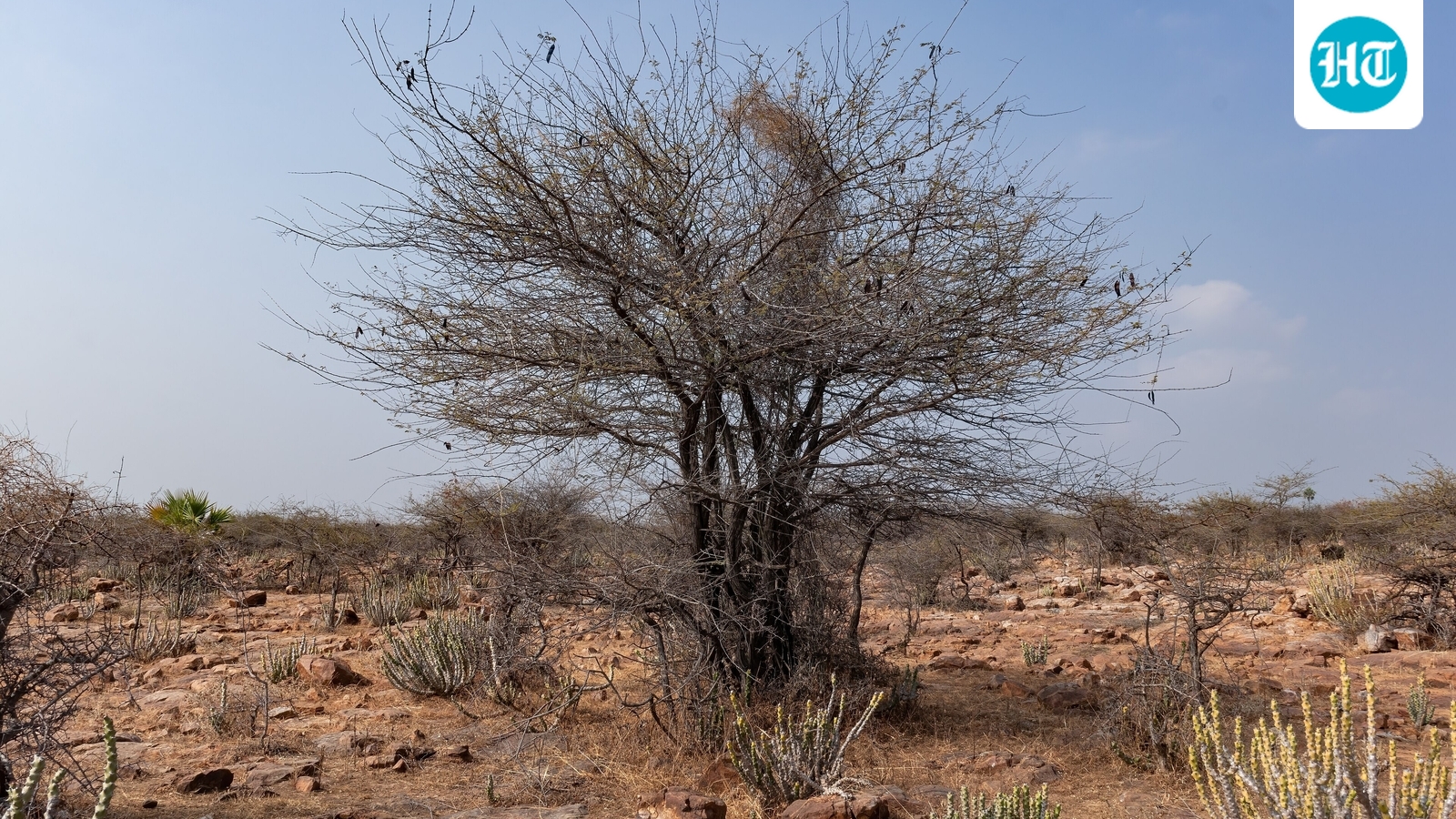
Mesquite, a tree introduced in East Africa during the 1970s as a solution for soil erosion and firewood shortages, is now threatening local ecosystems. Originally planted to stabilize soil and restore degraded land, its aggressive growth has led to proliferation in various regions, displacing native vegetation and reducing available grazing areas.
The tree, known as Prosopis juliflora, was brought to Ethiopia and Kenya in the 1970s and 1980s for environmental restoration purposes. Its qualities, such as rapid growth and the ability to fix nitrogen, made it appealing for land rehabilitation. However, these same traits have contributed to its invasive spread, with significant implications for local agriculture and health.
Pollen, Thorns, and Health Risks
The mesquite tree poses several health risks. Its pollen is known to trigger respiratory allergies, including rhinitis and asthma. A 2020 review published in the journal Plants indicates that in Qassim, Saudi Arabia, 76.1% of tested individuals displayed allergic reactions to mesquite pollen. In India, 32% of those surveyed with respiratory issues tested positive to mesquite allergens. Flowering periods can extend exposure to pollen, particularly in areas like Delhi, Brazil, and Haiti, where year-round flowering occurs.
Additionally, the tree’s long thorns can inflict serious injuries, which have been linked to hospitalizations in Kenya and even amputations in Sudan. There are concerns that mesquite may also support mosquito populations, as studies in Mali have shown that its removal can lead to significant reductions in mosquito numbers, thereby mitigating the risk of malaria transmission.
Livestock are also at risk when mesquite constitutes a large part of their diet. The tree’s hard pods can cause dental injuries, and its high sugar content may contribute to tooth decay. Animals like camels are particularly vulnerable to injuries from the tree’s thorns.
Challenges in Management
The ecological impact of mesquite is substantial. Dense thickets have been reported to displace native flora and diminish grazing areas, worsening conditions for pastoral communities. In Ethiopia’s Afar region, surveys show that up to 84% of households view mesquite as undesirable.
Efforts to eliminate mesquite have proven complicated. In the Awash region of Ethiopia, attempts to cut and burn the tree have been described as labor-intensive and often ineffective due to rapid regrowth. However, some methods, like sustained harvesting for commercial use, may provide an effective alternative to complete eradication.
Despite its challenges, mesquite has economic value. Its wood is utilized for charcoal production, and its pods can be turned into animal feed. In Kenya’s Baringo County, charcoal production efforts have significantly curbed the tree’s spread. In Ethiopia, cooperatives involved in charcoal and pod processing cleared over 396 hectares in a single year.
As communities weigh the benefits and drawbacks of managing mesquite, balancing environmental concerns with economic incentives remains critical. Future management strategies will need to prioritize both the preservation of native ecosystems and the livelihoods of those who depend on the tree for economic gain.
