




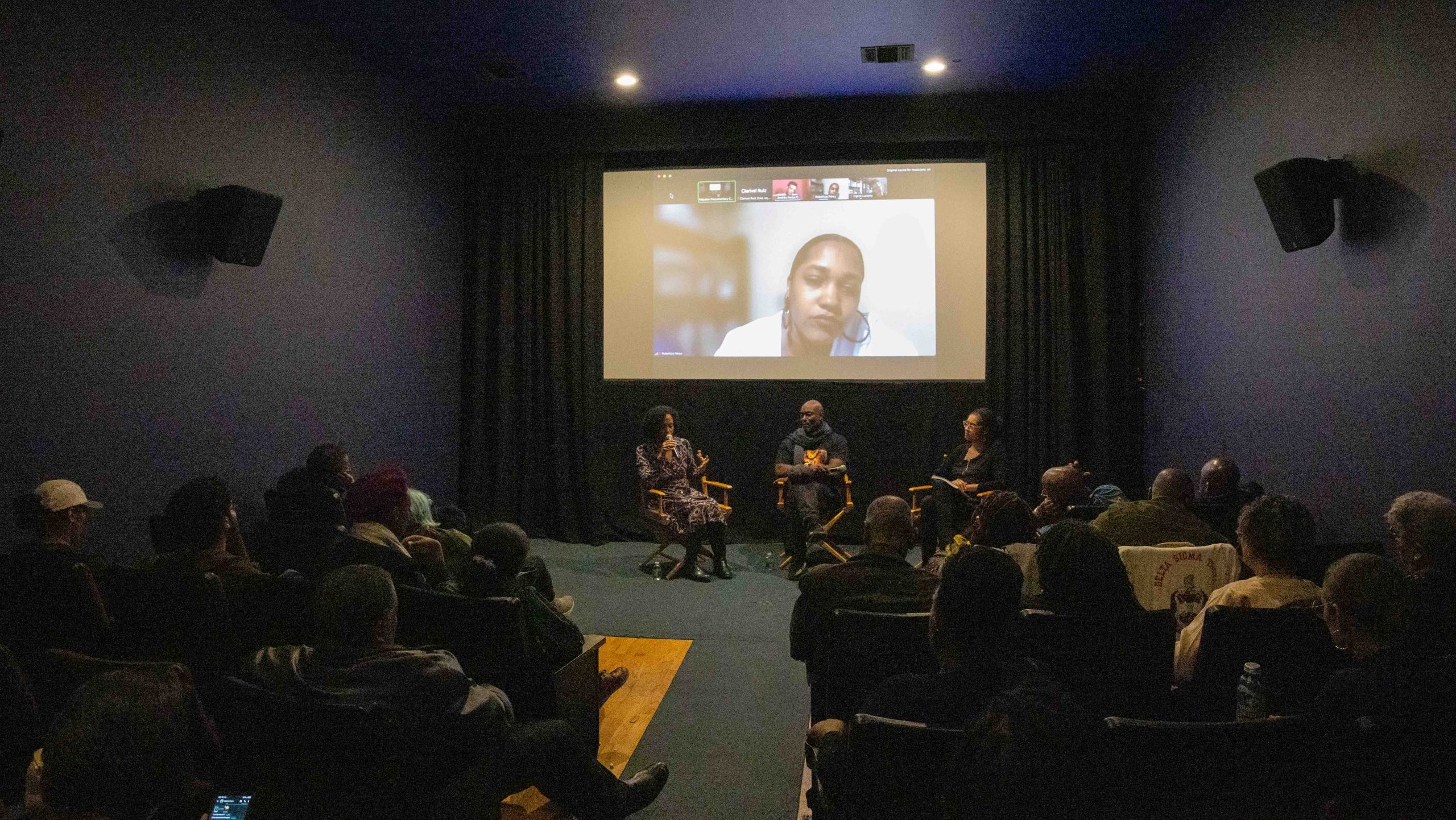
The fourth edition of the Nou Akoma Nou Sinèji Haitian Dominican Transnational Film Festival took place on October 12 at the Maysles Documentary Center in Harlem, showcasing films that address the complex relationship between Haitian and Dominican communities. One of the featured films, “Testigo,” follows a Dominican woman’s harrowing journey to reunite with her deported child, highlighting the personal impact of immigration policies.
“Testigo,” which is 17 minutes long, is based on testimonies from a 2025 report by the Dominican nonprofit organization HaitianosRD. This report details the consequences of mass deportations within the Dominican Republic. The festival used film as a medium to foster understanding of the shared history and current challenges faced by these communities, including migration and tensions between the two nations.
Clarivel Ruiz, founder and executive director of the Dominicans Love Haitians Movement, which organizes the festival, emphasized the importance of storytelling in bridging divides. “We saw the festival as an opportunity to embed ourselves in history, share stories, build relationships and foster cultural pride,” Ruiz said. She noted the event aims to expand their efforts beyond New York City and offer a platform for individuals with shared experiences.
The festival also screened “Melodrama,” a film following the life of Sonia, a recently widowed Dominican woman who navigates new beginnings and challenges societal prejudices in her relationship with Aimé, a Haitian construction worker. This film is the official submission of the Dominican Republic for the 2027 Academy Awards and tackles themes of discrimination and national identity.
Historical tensions between Haitians and Dominicans are deeply rooted and have become increasingly relevant in contemporary political discussions. These issues were highlighted recently during New York’s Democratic primaries when remarks made by a senior adviser to U.S. Rep. Adriano Espaillat sparked public outrage over anti-Haitian bias. Espaillat subsequently disavowed the comments and urged supporters to refrain from questioning the identities of individuals in the race.
During the festival, discussions were held following the screenings, enabling attendees to reflect on their identities and experiences related to colorism and immigration. One participant, Wallace Jean, noted the parallels between immigration enforcement in the Dominican Republic and U.S. ICE operations, highlighting the pervasive nature of racial prejudices across borders.
Ayanna Legros, a Haitian-American historian, pointed out that racial attitudes can carry over into new environments, influencing the way communities are policed. She stressed that dialogue about these issues is crucial for understanding and dismantling harmful dynamics.
Participants reflected on methods for challenging ingrained prejudices, suggesting community-driven initiatives such as educational outreach and support for migrant rights groups. Ruiz expressed hope that by sharing narratives and supporting marginalized individuals, Haitians and Dominicans can foster stronger ties and combat historic biases.
The festival aims not only to entertain but also to inspire ongoing conversations and actions beyond the screening room, contributing to a collective movement for understanding and support between the two communities in New York and beyond.
