




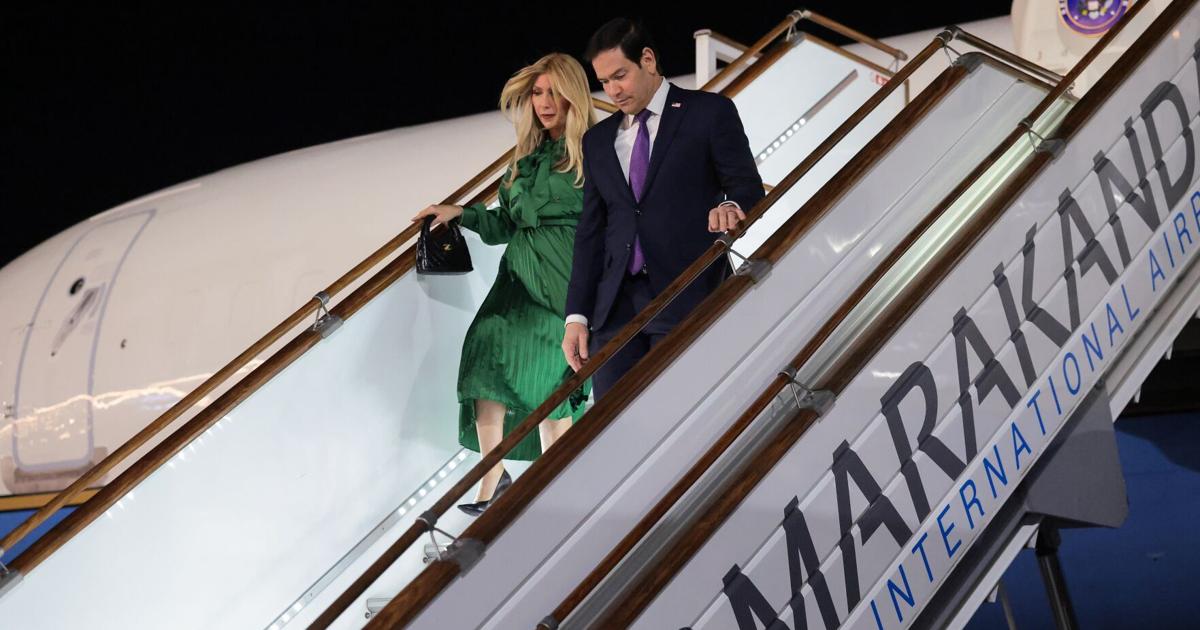
Senator Marco Rubio has been vocal about his concerns regarding the growing influence of China in Central Asia. He recently highlighted the region’s significance in global geopolitics during a press conference. Rubio, who has long been an advocate for a robust U.S. foreign policy, emphasized that Central Asian nations are becoming increasingly important as China expands its Belt and Road Initiative.
At the press conference held on Tuesday in Washington, D.C., Rubio noted that the strategic positioning of these countries presents both challenges and opportunities for the United States. “We cannot afford to ignore the reality that China is making significant inroads in Central Asia, and we must take proactive steps to strengthen our relationships in the region,” he stated.
Rubio pointed out the economic ties that have been developing between China and Central Asian countries, highlighting investments in infrastructure and trade routes. He expressed concern that this influence could shift the balance of power and diminish America’s role in this critical area. “If we want to maintain our leadership role in the world, we need to ensure that we are actively engaged in Central Asia,” he added.
Several Central Asian leaders have acknowledged the benefits of engaging with multiple global powers, including both the U.S. and China. They have expressed a desire for more diversified partnerships to enhance their national interests. Rubio’s remarks underscore the need for Washington to reassess its strategy towards the region to leverage its historical ties and cultural connections.
In conclusion, Senator Rubio’s comments reflect a growing recognition of Central Asia’s strategic importance in U.S. foreign policy and the necessity to counterbalance China’s expanding influence. As the geopolitical landscape continues to evolve, the implications of these developments will be closely monitored by policymakers in Washington and stakeholders across the globe.
