




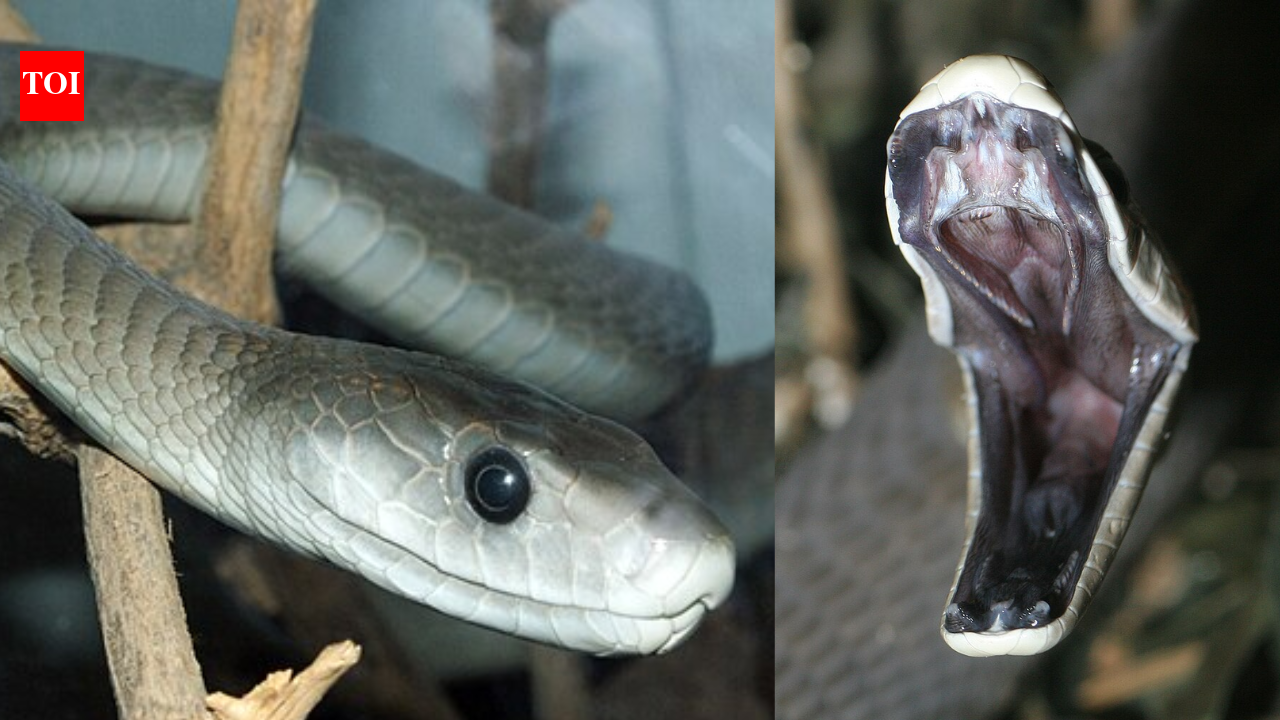
Research from Durban indicates that black mamba scales can serve as effective indicators of heavy metal pollution in urban South Africa. Scientists have detected elevated levels of lead, arsenic, cadmium, and mercury in the scales of Dendroaspis polylepis, a species known for its venomous bite and prominent presence in industrial areas.
The study shows that mambas residing in commercial and industrial neighborhoods accumulate significantly more heavy metals than those inhabiting green spaces. This finding positions the black mamba as a living indicator of environmental contamination within the eThekwini area, which encompasses approximately 2,550 square kilometers and is home to around 4.2 million residents. Scales can be collected without harming the snakes, offering conservationists a humane method to identify pollution hotspots.
Methodology of the Research
A team from the University of the Witwatersrand in Johannesburg, led by environmental chemist Professor Marc Humphries, published their findings in the journal Environmental Pollution. The study, titled “Black mambas (Dendroaspis polylepis) as novel bioindicators of urban heavy metal pollution,” involved analyzing the scales, muscle, and liver of black mambas that had died due to various circumstances. The results indicated a direct correlation between the levels of certain heavy metals found in the scales and those found in the muscle and liver tissues.
The study highlighted that heavy metals commonly enter the environment through industrial emissions, factory discharges, and wastewater effluent. Specific sources around Durban include metal fabrication, vehicle manufacturing, paint production, and oil refineries. The researchers describe mambas as sentinels of heavy metal pollution, helping to reveal localized contamination patterns.
As apex predators, black mambas accumulate contaminants from their prey. Professor Humphries emphasized this role, stating that the presence of heavy metals in the snakes reflects a broader contamination issue within the food web, affecting small mammals and birds in urban settings around Durban.
Observations suggest that the population of black mambas in Durban has been increasing in recent years. Nick Evans, affiliated with KwaZulu-Natal Amphibian and Reptile Conservation, receives between 100 and 120 calls annually regarding mamba sightings across the eThekwini Municipality. He noted that household clutter, such as dumped waste and messy storage areas, can attract these snakes by providing breeding grounds for their prey.
