




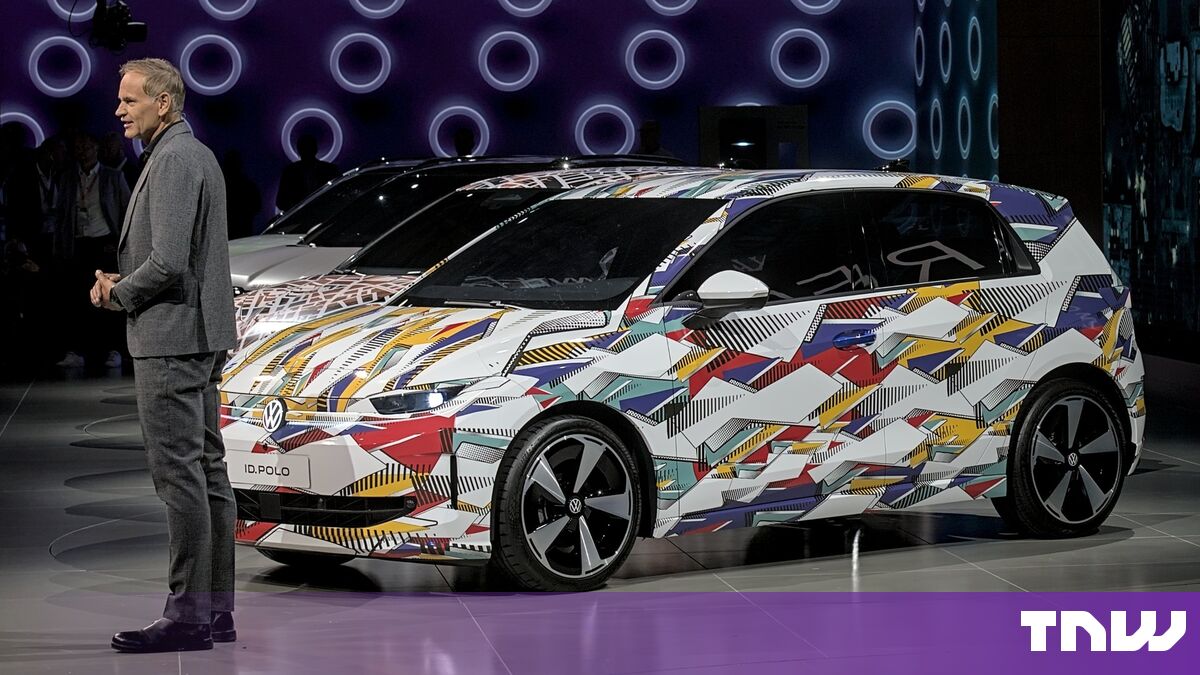
Volkswagen has announced plans to expand the use of technology developed in China to vehicles in other markets, beginning with South America. This shift marks a significant change in strategy for the automaker, which has previously restricted this technology for use solely in the Chinese market.
The initiative focuses on VW’s Compact Main Platform and its China Electronic Architecture, both developed at the company’s research center in Hefei in collaboration with local partners. These technologies will serve as the foundation for new models targeted at developing regions, which VW refers to as the Global South.
The first vehicles that will feature this technology are expected to reach South America by the end of the decade. Additionally, Volkswagen plans to enhance the shipment of China-manufactured Volkswagen and Jetta models to South America and Africa in the coming years. Southeast Asia may also be considered as a future market for these vehicles, although VW has confirmed it will not sell China-developed models in Europe or North America at this time.
“We call it in China, and beyond,” said Oliver Blume, Volkswagen’s chief executive, emphasizing the importance of China as an innovation driver for the company.
The electronic architecture developed by Volkswagen in partnership with Chinese electric vehicle maker Xpeng is designed for modern vehicles that rely heavily on software for operation and updates. This architecture is versatile, capable of supporting various platforms and engine types.
Additionally, Volkswagen unveiled VEGA, a technology package that offers 850-volt fast charging and compatibility with Level 3 automated driving—a feature that allows cars to drive autonomously under certain conditions. This technology is set to launch in 2027.
Volkswagen claims that developing vehicles in this manner in China can reduce the development timeline by as much as 30%. The company is also looking to pivot its China operations from being a major profit center to a more cost-effective hub for design and export activities. This transition is part of a broader transformation in Volkswagen’s 89-year history.
The move comes as Volkswagen faces increasing competition in China from local brands such as BYD and Geely, and as its collaborations with Xpeng and Horizon Robotics have yet to yield significant market success. Ralf Brandstatter, head of Volkswagen’s China operations, anticipates that the country’s passenger car market may shrink by 20% this year, equating to a decrease of approximately 4.5 million vehicles.
