




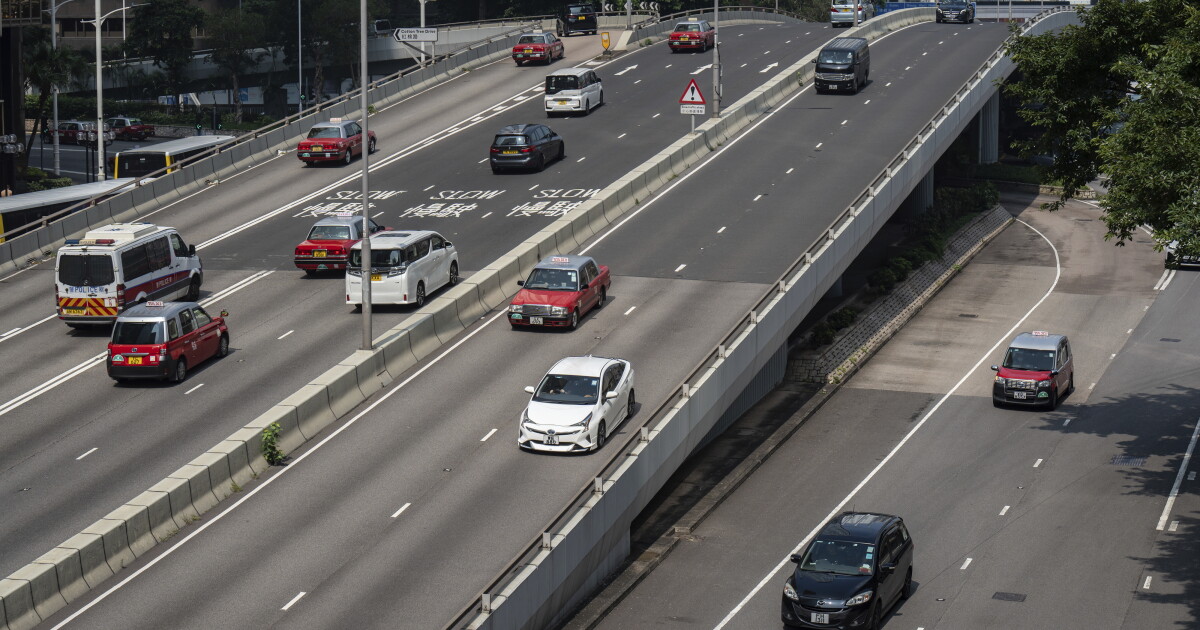
As inflation affects various aspects of daily life, the costs associated with owning a car have surged in key Asian markets, notably Hong Kong and Singapore. Increased operational expenses are pushing some residents out of the car ownership market.
Both regions have enforced long-standing regulations aimed at discouraging private vehicle ownership, encouraging residents to utilize public transportation instead. Recent policy adjustments have exacerbated these costs.
In Hong Kong, the “First Registration Tax” serves as a significant financial barrier for prospective car owners. This one-time levy on new or imported vehicles is initially set at approximately 50% of the vehicle’s cost. Given the progressive nature of the tax, more expensive cars can incur fees that exceed the vehicle’s purchase price. Additionally, the previous discount for electric vehicle buyers was eliminated earlier this year, further climbing operational expenses.
Similarly, Singapore’s vehicle acquisition system requires buyers to secure a “Certificate of Entitlement,” which can exceed $100,000. The prices have just seen an increase for basic vehicles, with luxurious models incurring even steeper charges.
The demand for electric vehicles in Singapore remains robust, particularly as incentives for these vehicles are set to be reduced at year’s end. This impending cut in support has spurred buyers to act before the changes take effect.
As both Hong Kong and Singapore continue to navigate inflation’s impact and associated vehicle ownership costs, it remains to be seen how these factors will influence transportation choices in the region moving forward.
