




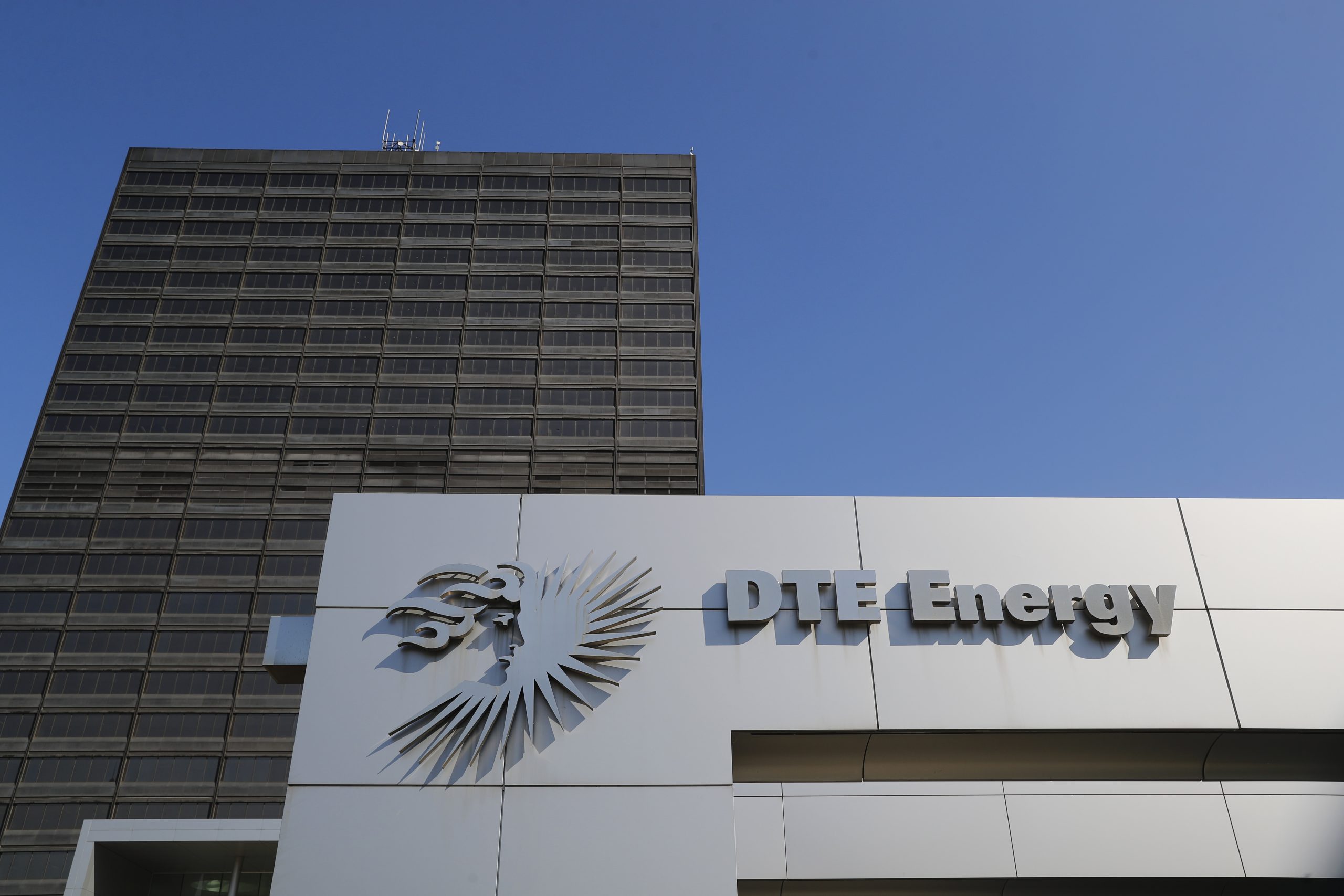
LANSING — DTE Energy and Consumers Energy have filed a lawsuit seeking to block the implementation of Proposal 2, a law approved by over 80% of Michigan voters on Tuesday that restricts political contributions from utilities and certain state contractors. The lawsuit was submitted to the U.S. District Court for the Western District of Michigan on Thursday, two days after the proposal’s passage.
The new law prohibits utilities and companies with state contracts exceeding $250,000 from making direct or indirect contributions to political campaigns, including donations from family members and close associates. The utilities contend that the proposal infringes on their First and Fourteenth Amendment rights, claiming that it violates their rights to free speech and due process.
According to the complaint, the companies argue that, without an injunction, they will be forced to either forgo their rights to political association or risk penalties for exercising those rights. Their attorneys stated that sharing their perspectives on energy reliability, affordability, and clean energy is vital for informed policy-making, even if those views may differ from others in the debate.
The lawsuit names key officials as defendants, including Michigan Bureau of Elections Director Jonathan Brater, Attorney General Dana Nessel, and Secretary of State Jocelyn Benson, who is the governor-elect. The suit aims to prevent enforcement of the law, which the companies believe unfairly targets their industries and the individuals associated with them.
Maura Cowley, manager of the Michiganders for Money Out of Politics campaign, responded to the lawsuit, stating that its emergence was expected and that her group remains confident in the proposal’s ability to withstand legal challenges. Cowley noted that the corporations involved have been preparing for such legal action since the proposal qualified for the ballot.
Additionally, this lawsuit follows another legal challenge to Proposal 2, filed by the Mackinac Center for Public Policy on election night after the proposal was confirmed as approved.
Critics of the proposal argue that it violates free speech rights, while the utility companies contend that it is vague regarding who is prohibited from contributing and the rationale behind those restrictions. The lawsuit states that the law infringes on the Fourteenth Amendment’s equal protection clause by disproportionately targeting utilities and their associates.
The U.S. Supreme Court has previously recognized political spending as protected speech, notably in the Citizens United v. Federal Election Commission case. However, it has also upheld the validity of targeted restrictions aimed at addressing corruption in political contributions.
Consumers Energy spokesperson Katie Carey emphasized that the law would strip First Amendment rights from employees and their families based solely on their employment. Currently, corporations in Michigan are banned from directly donating to candidates, but the new proposal would extend similar restrictions to the companies’ executives and board members, along with their families.
The proposal also encompasses strict limits on contributions to various political entities and would require transparency from groups that reference candidates in issue advertisements. Interestingly, while the law aims to restrict contributions, it does not prohibit donations to independent expenditure super PACs permitted under Citizens United. The accommodation for potential legal challenges within the proposal specifies that remaining sections would persist even if parts are deemed invalid.
