




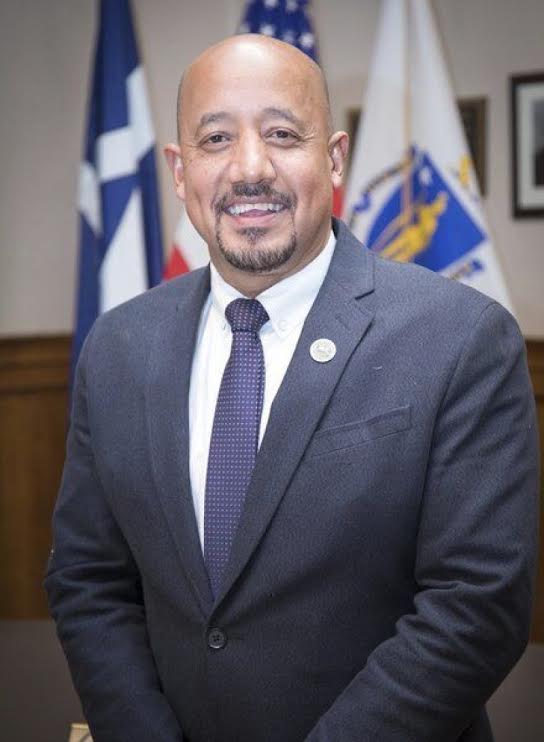
The mayor of Lawrence, Massachusetts, Brian DePena, is facing calls for his resignation following a federal indictment for allegedly defrauding COVID-19 relief funds. Despite these pressures and a no vote from the city council expressing no confidence in his leadership, DePena has stated that he will not step down.
A recall petition is underway, which requires a minimum of 7,000 signatures to initiate the removal process. DePena, who is originally from the Dominican Republic, has pleaded not guilty to the federal charges, which include accusations of stealing $1.5 million through fraudulent Economic Injury Disaster Loans (EIDLs). Prosecutors claim that DePena misused these funds to support his political campaign, pay off mortgages, settle personal taxes, and manage high-interest debt.
DePena applied for the EIDLs for his business, Tenares Tire Services Inc., in 2020 and 2021. These loans, offered by the U.S. Small Business Administration, were intended to provide working capital to small businesses affected by COVID-19 shutdowns, with strict restrictions on how the funds could be utilized.
If convicted on the federal charges, DePena could face up to 30 years in prison and fines amounting to $500,000. Following his arrest, the Lawrence City Council chose to hold a public meeting to discuss the situation instead of a private executive session, where council members openly called for his resignation.
The city attorney has indicated that DePena’s legal issues will not affect the daily operations of the city or its public funds. Under Massachusetts law, governors do not have the authority to suspend a city mayor following an arrest, which limits the immediate options available for addressing the mayor’s conduct.
On October 20, 2026, the City Council voted 5–1–3 to express their lack of confidence in DePena, but they acknowledged that the only pathway for his removal lies in the ongoing recall process. While some council members have highlighted the seriousness of the allegations as a reason to pursue the recall, others believe that the decision should ultimately be made by voters.
Lawrence, located in Essex County, has a population of 89,143, according to the 2020 U.S. Census. The city has a significant Caribbean demographic, with about 83 percent of residents identifying as Hispanic or Latino, and a notable concentration of Dominican ancestry. A 2026 analysis indicated that Lawrence is home to the highest concentration of Dominican descendants in Massachusetts.
