




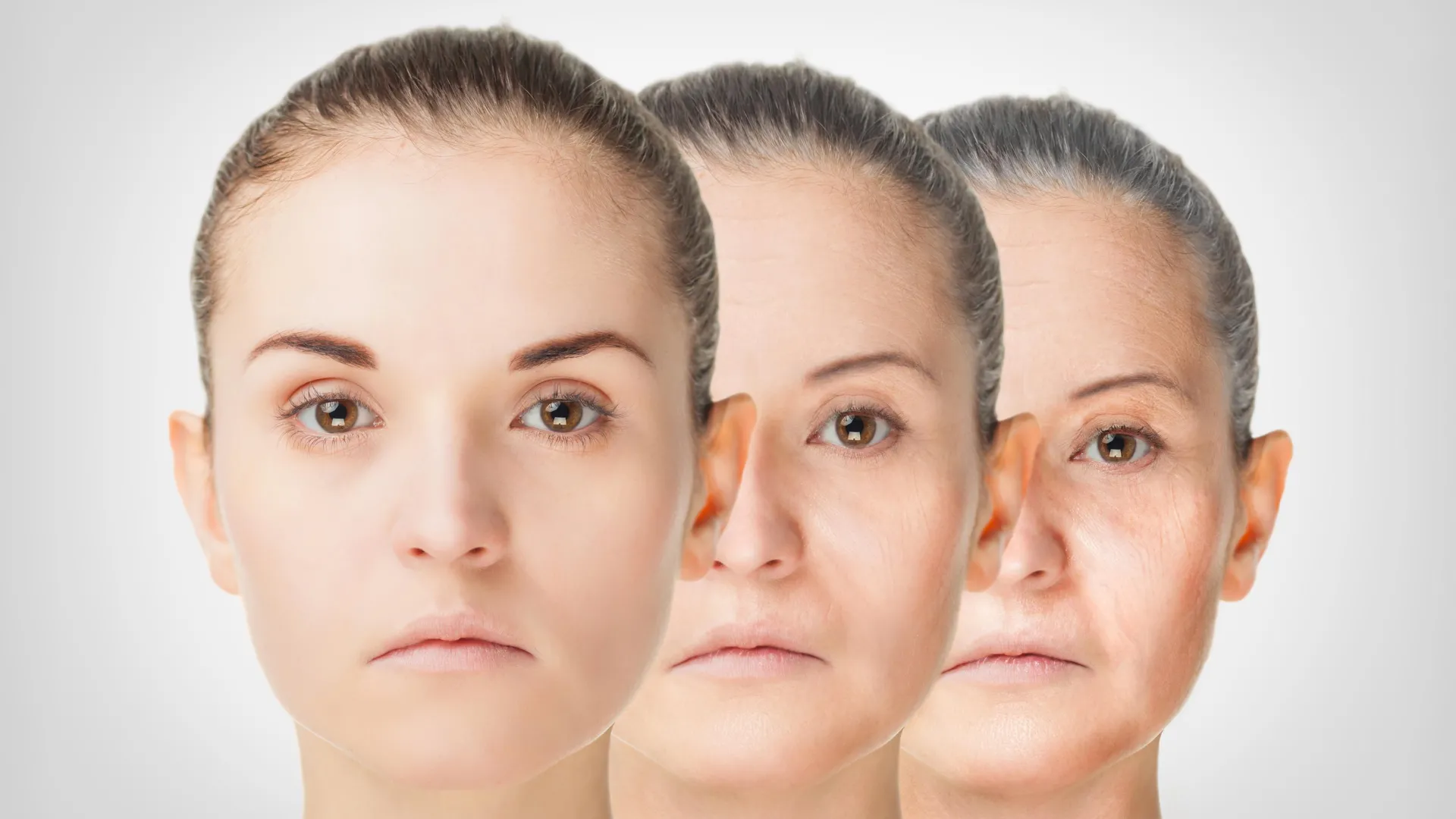
A team of scientists at Yale University has made significant strides in understanding how various treatments influence biological aging. Their recent study indicates that certain prescription medications and lifestyle changes can effectively reduce biological age, as determined by DNA-based blood tests. In contrast, popular over-the-counter supplements showed little evidence of achieving similar effects.
The findings, published in Nature Medicine, represent a pivotal advancement in evaluating anti-aging treatments, though researchers caution that changes in biological age markers do not necessarily equate to longer lifespans or a reduced risk of age-related diseases.
Research Focus and Methodology
Lead researcher Raghav Sehgal, who specializes in computational biology and bioinformatics, changed his research focus from cancer to the aging process after discussions with his Ph.D. adviser. He now investigates the biological mechanisms of aging and their connection to diseases such as cancer, diabetes, and dementia.
Unveiling measurable impacts of various anti-aging therapies was a key aim of the study. The Yale team’s approach involved analyzing data from 51 clinical studies encompassing dietary supplements, medications, lifestyle changes, and medical procedures. They evaluated over 110 DNA methylation biomarkers, utilizing epigenetic clocks to measure changes in biological age resulting from these interventions.
“For the first time we’ve shown that certain therapies have measurable impacts,” Sehgal stated. “This wasn’t previously possible, because we didn’t have enough data to say these biomarkers are consistently responsive to these interventions.”
The researchers discovered that diet and exercise played a crucial role in reducing biological age. Regular physical activity, combined with healthy eating practices—such as Mediterranean, low-fat, and low-carb diets—consistently resulted in reductions in biological age. Prescription medications like metformin and semaglutide were also linked to significant decreases in biological age markers.
Conversely, the analysis revealed that several over-the-counter supplements and some medical procedures failed to show measurable benefits. The study’s findings also suggested that individuals with pre-existing health conditions experienced more significant changes in their biological age markers compared to healthy participants.
Looking ahead, Sehgal emphasized the need to test these results in larger, more varied populations to better understand how different treatments affect biological aging. Improved blood tests could accelerate the development of anti-aging therapies significantly, with the potential for researchers to identify effective interventions much faster than traditional clinical trials allow.
While the results are promising, questions remain regarding the long-term implications of reducing biological age. Senior author Albert Higgins-Chen highlighted the importance of understanding what changes in biomarkers signify for an individual’s overall health and risk of age-related diseases. Additional research is already underway, focusing on addressing these critical questions about biological aging.
