




A strengthening US dollar contributed to a mixed performance of African currencies during the week ending November 13. The South African rand and Nigerian naira both faced declines, while currencies in Kenya and Egypt held steady.
The Bloomberg Dollar Spot Index increased by 0.7%, marking its strongest weekly gain since early October, and reached its highest level since May 2025 on Friday. This surge was driven by increasing expectations that the US Federal Reserve will raise interest rates next month.
Currency Performance Overview
The South African rand was notably affected, closing near R16.38 per dollar on Monday before weakening to approximately R16.92 by Friday, reflecting a nearly 2.4% decline from R16.53 the previous week. On Friday alone, the currency dropped about 1.2%, hitting a seven-month low following an uptick in US producer price inflation from 6.3% in September to 6.5% in October.
The South African Reserve Bank raised its repo rate by 25 basis points to 7.25% in September. Analysts anticipate a rise in inflation to 5.1% based on the upcoming reports, but expectations suggest the bank may maintain current interest rates. October’s inflation data is set to be released on Wednesday, followed by the rate decision on Thursday.
The Nigerian naira experienced volatility but showed signs of recovery by Friday. After a sharp fall of N10.50 on Wednesday to N1,364 per dollar, the naira closed at N1,353.50. According to the Central Bank of Nigeria, the official exchange rate on Friday was quoted at N1,353.97, around 0.5% weaker than the previous week. The parallel market saw rates between N1,435 and N1,441, with gross reserves falling to $54.87 billion.
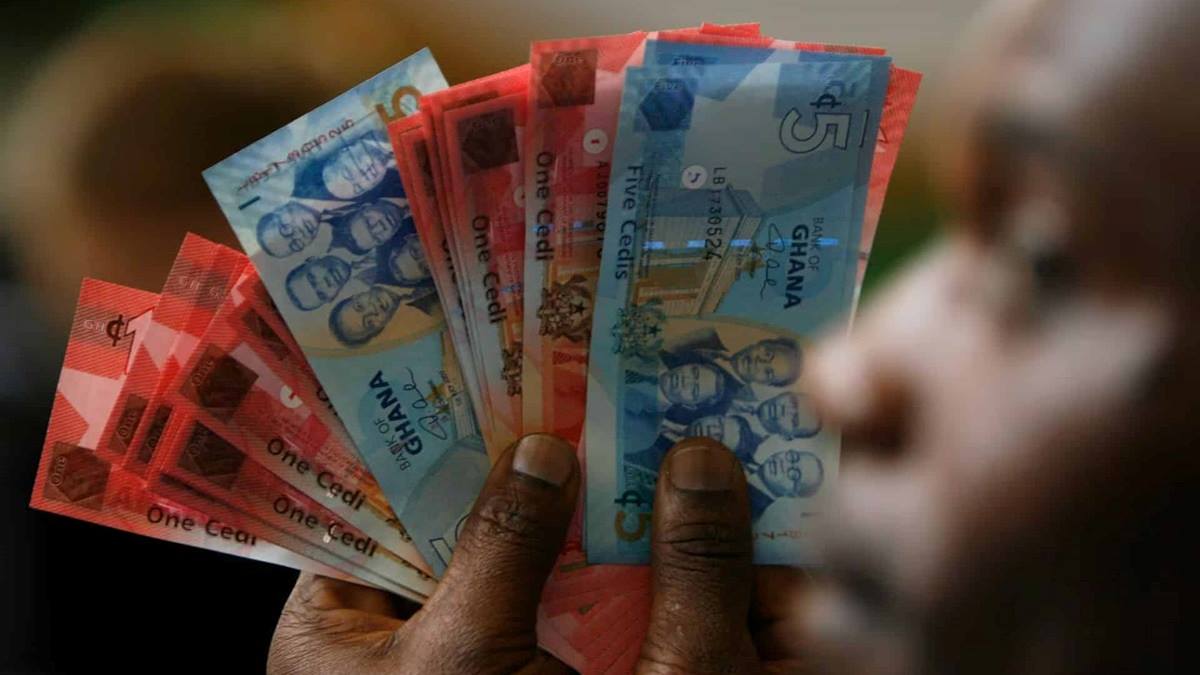
In Ghana, the cedi slightly depreciated on the interbank market, closing at GH¢11.70 to GH¢11.72 per dollar, compared to GH¢11.67 a week prior. Year-to-date, the cedi has weakened about 10% against the dollar as inflation rose to 5.5% in October, the highest in 11 months. The rate decision is due on November 18, as the central bank focuses on increasing dollar liquidity through gold-linked auctions.
The Kenyan shilling remained stable at KSh129.96 per dollar for the third consecutive week, also appreciating against the pound and euro. Meanwhile, the Central Bank of Kenya reported reserves slipped by $94 million to $14.605 billion, which still covers 5.9 months of imports.
The Egyptian pound showed significant recovery during the trading week, increasing from early lows around EGP 54.30 to close between EGP 53.37 and EGP 53.50. The Central Bank of Egypt noted that diaspora remittances reached $13 billion in the first quarter of FY 2026/2027, contributing to improved foreign currency liquidity and moderating inflation, which was recorded at 12.7% in October.
